
Cats are known for being the independent, aloof pets of our households, so it's no wonder that behavioural changes, like becoming a little crankier or slowing down, are often dismissed as normal ageing.
But this World Arthritis Day (12 October), Australian cat owners are being reminded to watch their cats a little closer for telltale signs of osteoarthritis pain.
For 19-year-old Aussie cat, Duke, changes in his behaviour and mobility became impossible to ignore. At 16, his back legs began giving way. He lost weight, struggled with his litterbox, and became increasingly vocal and clingy.
His owner Melanie feared they might have to say goodbye, but after working with Duke's veterinarian on an osteoarthritis management plan, she says the change was "like night and day". Duke is back to "trotting around the house", giving Melanie more happy years with her "little ray of sunshine".
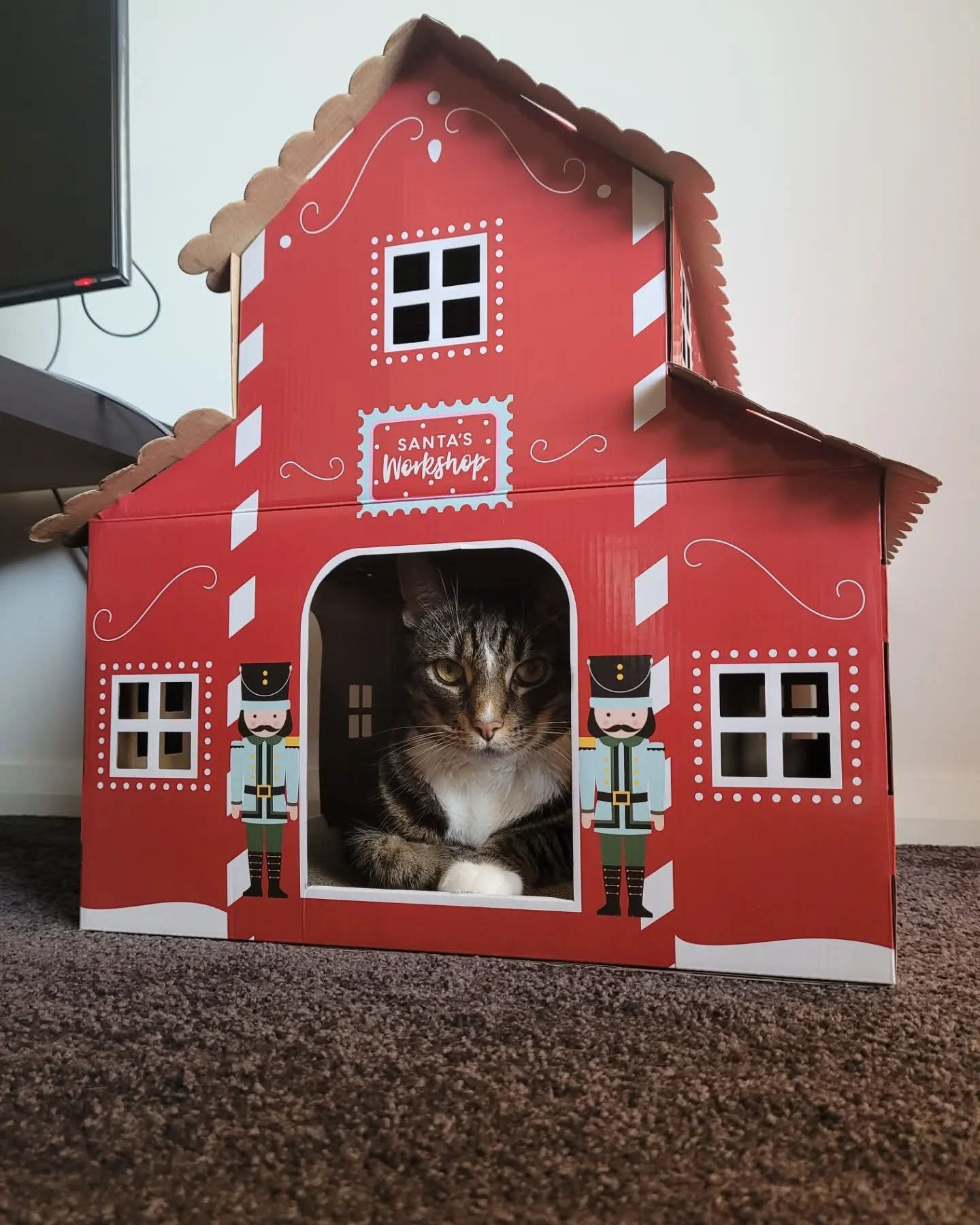
Duke, a 19-year-old domestic shorthair from Western Australia
Osteoarthritis affects an estimated 40% of cats,² but cats are highly skilled at masking discomfort. Changes such as slowing down, sleeping more or hesitating before jumping may be dismissed as "normal ageing", potentially delaying diagnosis and support.
- A common condition hiding in plain sight: More than half (51%) of Australian cat owners don't know cats can suffer from osteoarthritis¹, despite the condition affecting an estimated 40% of all cats² and 60% of cats aged over six.³
- Cats are experts at masking pain: Vets report diagnosing osteoarthritis in just 17% of feline patients⁴ - about a third lower than the diagnosis rate in dogs⁵ - because cats rarely show obvious signs like limping.
- "Normal ageing" may be a warning sign: One in four (25%) cat owners believe slowing down, sleeping more or hesitating before jumping is simply a part of 'normal ageing' of their cat, rather than a potential sign of joint pain.¹
- Missed vet visits cost cats with delayed diagnosis: One in five cat owners (966,000 Australians) only visit the vet when they feel something is clearly wrong. Routine check-ups are lowest among owners of middle-aged cats (6-12 years) despite this being an important window for early diagnosis of osteoarthritis.1,6
Story opportunities
- Interviews, photo and filming opportunities with vet experts - including feline medicine specialist Dr Carolyn O'Brien (Melbourne Cat Vets), and vets across NSW, VIC, WA and QLD.
- Interviews with Australian cat owners who can share their experience of recognising and managing osteoarthritis in their cats aged 16, 19 and even 22
- Access to the free online Cat Arthritis Assessment, a simple quiz that helps cat owners check their cat's joint health and discuss the results with their vet.
References
- YouGov Zoetis Australia consumer research survey, osteoarthritis and joint pain in cats 2026, data on file.
- Enomoto M et al. Vet Rec. 2019;184(1):23.
- Slingerland LI et al. The Veterinary Journal. 2011;187(3):304-309.
- Global Feline Osteoarthritis Study April 2024, data on file.
- Global Canine Osteoarthritis Study April 2024, data on file.
- Gober M. Journal of Feline Medicine and Surgery. 2025;27(10).


