
Cohort study reveals strength of community connection as Discovery Space turns 11
The University of Wollongong's (UOW) Early Start Discovery Space is celebrating its 11th birthday this month with the release of research that reveals the lasting impact of the initiative on children, their adults and the community. The Early Start Discovery Space Members Study, led by a multidisciplinary team of Early Start researchers, invited families to reflect on their experiences at the Discovery Space and how the space supported their development, learning and sense of belonging. More than 630 families, with children aged between two and 18 years, took part in the study.
"What makes the Early Start Discovery Space so unique is that it brings together play, learning and community in a way that is deeply responsive to children and families," said UOW Honorary Professor Lisa Kervin AM, the former Director of Research at Early Start who spearheaded the study. "This is one of the few places in the world, where children and families can experience a space designed around the translation of research for the benefit of children, their adults and the community."
Families said each visit to the Discovery Space supported their children's growth, friendships and changing interests, helping them become more confident and relaxed in interactions with their peers.
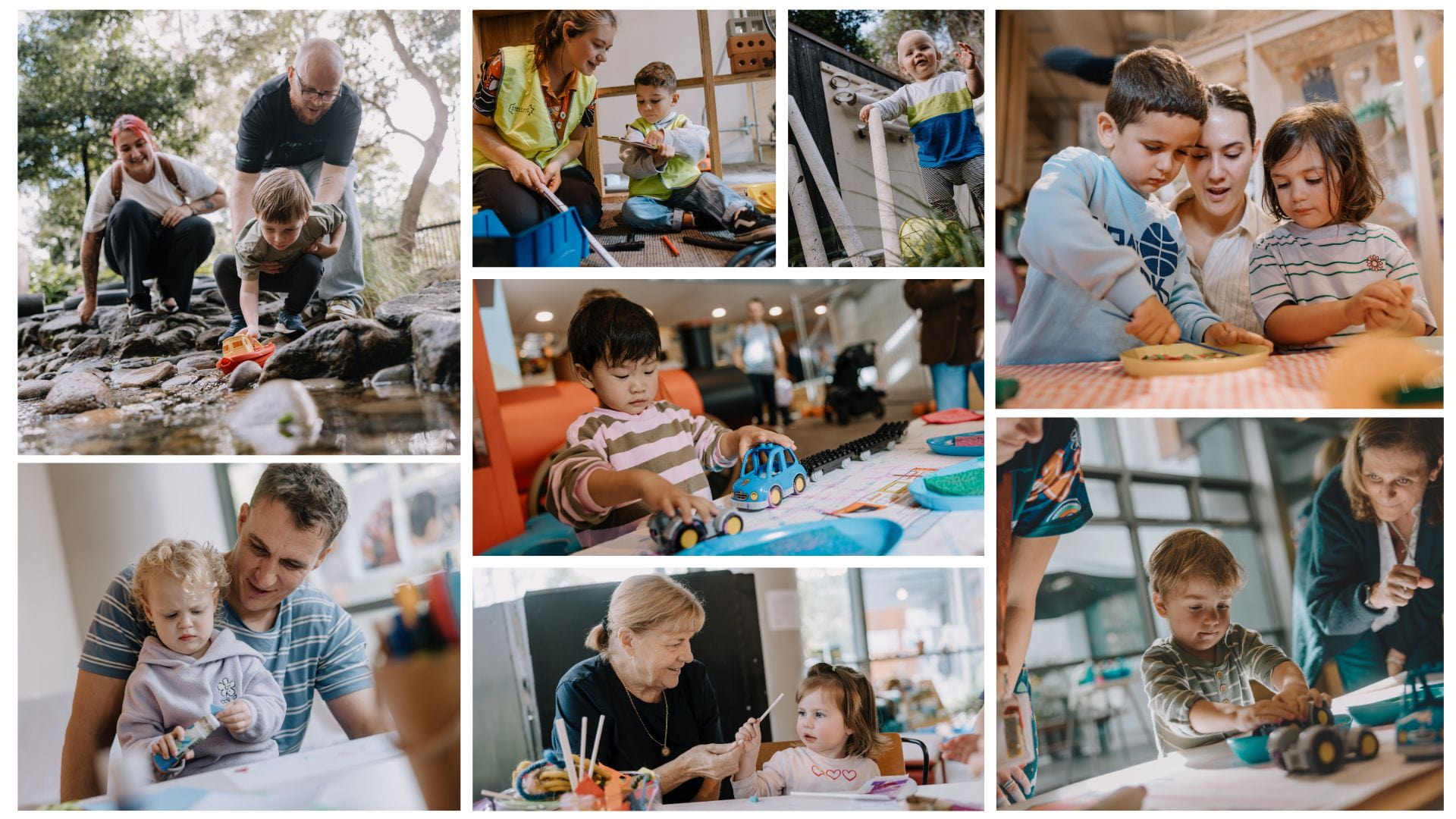
While most families held a membership for two years, more than 50 families were members for over five years. The study results found that each additional year of membership was linked with parents reporting that their child experienced better peer acceptance, fewer friendship challenges, less school avoidance, and fewer behavioural difficulties.
Families visited the Discovery Space an average of 12 times during their membership, with some returning more than 160 times.
The study reported strong outcomes in children's development and early learning. Approximately 90 per cent of children who visited regularly were on track or showing strengths in fine and gross motor skills, 82% showed strengths in building friendships and 72% showed strengths in social-emotional development.
"The Discovery Space is a trusted place where children can return again and again as their interests and needs change. That continuity has real value for a child's development and for the wellbeing of the whole family," Early Start Interim Director of Research and Education Associate Professor Judy Pickard said.
"For children in regional communities, the Discovery Space has opened the door to research-driven cultural, educational and social experiences they may not otherwise have, helping to spark curiosity, creativity and wonder."
The Early Start Discovery Space, the first dedicated children's museum in the world based on a university campus, was spearheaded by a landmark $7 million philanthropic gift from Christopher and Barbara Abbott. In 2024, the Discovery Space celebrated one million visitors.
About the research
The Early Start Discovery Space Members Study is available here: https://documents.uow.edu.au/content/groups/public/@web/@educ/documents/doc/uow280787.pdf
The investigators on the study are: Professor Lisa Kervin AM, Professor Lisa Smithers, Professor Steven Howard, Dr Crystal Arnold, Dr Gina Hawkes, Professor Bridget Kelly, Lisa Kilgariff, Dr Franca Mackie, Dr Matthew Schweickle, Dr Chye Toole-Anstey, Dr Joanna Waloszek, and Dr Lauren Weber.


