
Night has fallen over the town of Zémio, in the east of the Central African Republic. In a few hours, the December 2025 presidential election is due to take place, but the rebels of the "Azande Ani Kpi Gbe" (AAKG) militia have launched an offensive to seize the city and derail the polls.
The Senegalese soldiers of the UN peacekeeping mission in the Central African Republic (CAR) - known by its French acronym, MINUSCA - are immediately deployed to confront the attackers.
"The fighting lasted several hours in extremely difficult conditions," recalls Lieutenant Colonel Gérald Aranda Assine, commander of the Senegalese contingent. "It was extremely demanding psychologically, physically, mentally and morally."
The blue helmets, part of a Quick Reaction Force ready to deploy at any moment, helped the Central African Armed Forces (FACA) to push back the rebels, preventing them from seizing Zémio and allowing the elections to go ahead as planned.
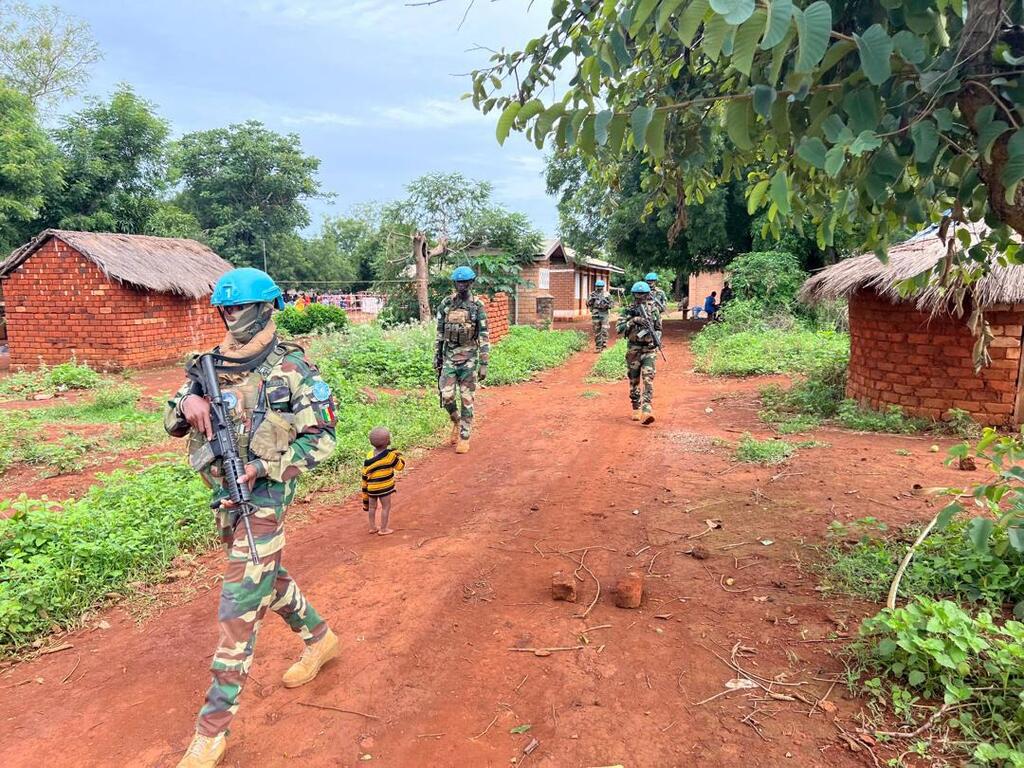
"Our soldiers held their positions," says Lt Col. Assine. "At the same time, they managed to protect the places where the refugees were gathered."
From battlefield to football field
Working as a blue helmet involves much more than military intervention. Duties can range from providing free medical care aid to conducting patrols and holding meetings with community leaders.
In the west of the country, where the "Retour, Réclamation, Réhabilitation" (3R) armed group agreed to disarm in 2025, peacekeepers are rebuilding links between people divided by years of fighting.
Ex-combatants from 3R and the official army, as well as civilians, are participating in community activities, even playing a football match together, something that would have seemed unthinkable just a few months earlier.
A toll on mental health
The stark contrast between the demands placed on peacekeepers means that a great deal of attention must be paid to their well-being and mental health.
Lt Col. Assine explains that this means regular sporting and cultural activities, and the maintenance of strong links with their families, even when they are posted in the most remote areas.
"Looking at your children and then smiling, showing them that everything is okay, despite the difficult environment you're in, is extremely important," he says.
'Now I know that I will be safe'
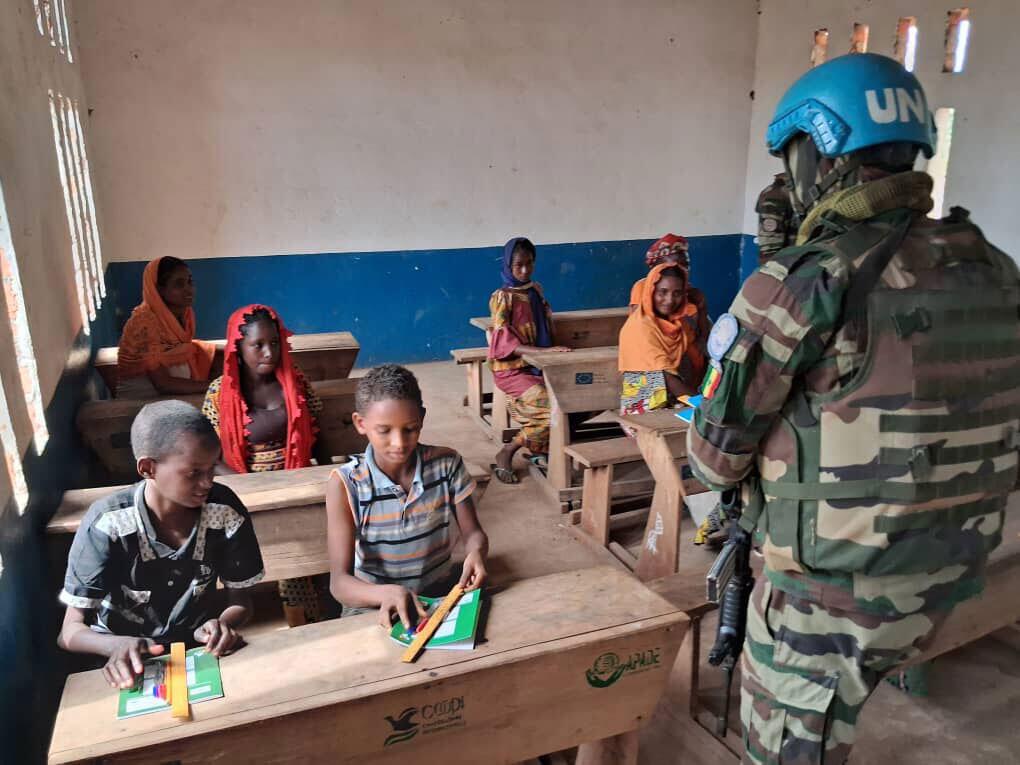
Meetings with the local population present a human face to the soldiers' mission.
Lt Col. Assine spoke to a former child soldier who managed to escape from an area controlled by armed groups.
"Because the Quick Reaction Force is there, I know that my life will not be threatened," the boy told him. "Now I know that I will be safe."
Thanks to the work of MINUSCA, schools in Zémio have reopened and medical campaigns have resumed. Residents who fled the violence are coming back and, with the support of the mission, the youngster will be able to go back to school.
For the military commander, this kind of moment gives the mission its full meaning.
A single aspiration: The definitive return of peace
Beyond the intensity of the military operations, it is the courage of the Central African people that will remain engraved in his memory.
"I will take with me the courage and resilience of these people who agreed to welcome rebels who, not long ago, were their executioners," he says. "They have only one aspiration: the definitive return of peace."
As they prepare to leave the CAR, the commander hopes that the population will remember a contingent that sought to do more than just ensure a secure environment.
"The protection of civilians has really been at the heart of our actions," he declares. "There is no nobler mission than being a soldier in the service of peace, a soldier of the United Nations."


