
Nearly two months after the latest ceasefire in the Gaza Strip on 10 October, a fragile calm has brought much-needed relief to families who have endured unimaginable suffering and repeated displacement.
For months on end, thousands of families remain without a roof over their heads, laying beneath the open sky - the stars above offering both solace and a haunting reminder of everything they have lost.
Sabah, her husband Ahmad, and their seven children spent weeks sleeping in the open after losing their home. "We fled from Shuja'iya to Rimal, then to the south - Rafah, Deir al-Balah, Nuseirat - and then back to Shuja'iya," Ahmad explains. "Every time we move, we lose more of what little we have."
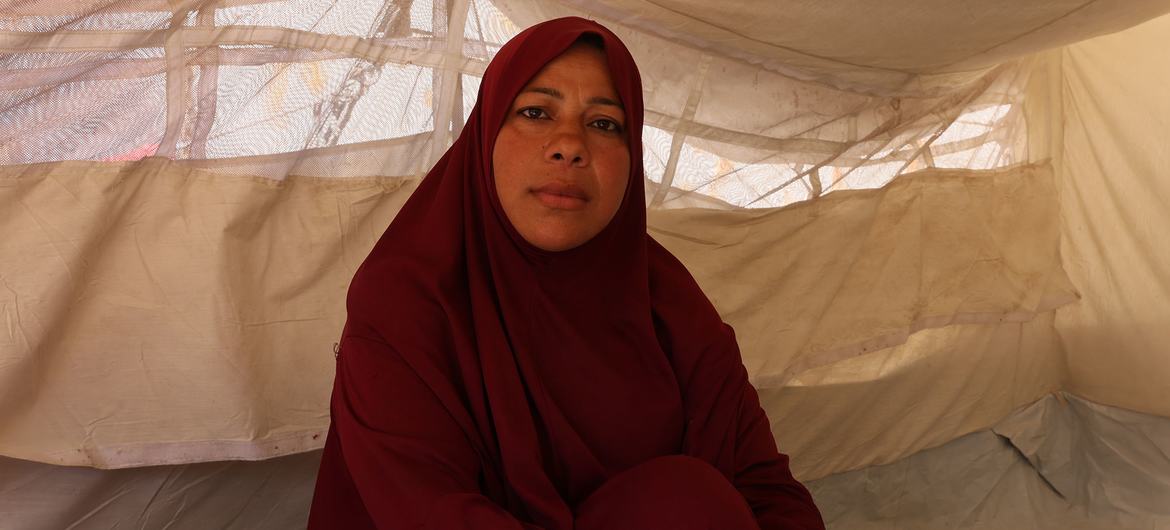
Ahmad suffers from heart disease, with no access to medication. One of their children sustained a head injury and lost his memory. Another fell from the fifth floor during a strike. Another died of hepatitis.
"She passed away because I couldn't get her the medicine she needed," Sabah says. "I didn't even have food - not even a sprinkle of salt."
Before the ceasefire, life had become a daily battle for survival. Families went days without food or clean water. "The hardest thing for a father," Ahmad says, "is to see your children thirsty, to have water but not allow them to drink because it has to last for days."
Now, the ceasefire has created a fragile opportunity, and with it, a responsibility to act.
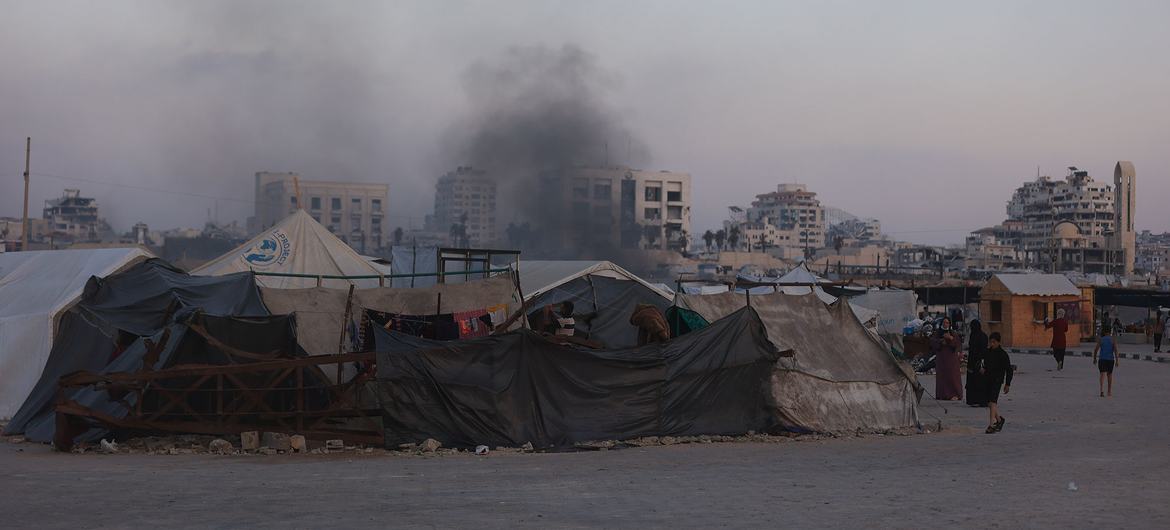
Since the ceasefire began, families have continued to move across Gaza in search of safe shelter, often finding their homes reduced to rubble.
According to the International Organisation for Migration (IOM) partners, 639 000 people have been recorded heading from the south to Gaza City, with many people heading further north toward Jabalya and Beit Hanun.
Many are still taking shelter in tented or collective displacement sites, often in open areas with no protection or in damaged buildings that offer little safety.
Over the past two months, IOM has delivered more than 660,000 hygiene and shelter items through its Common Pipeline Programme, including over 11,000 tents - providing essential protection and restoring a sense of dignity to families like Sabah's, who have endured prolonged insecurity.
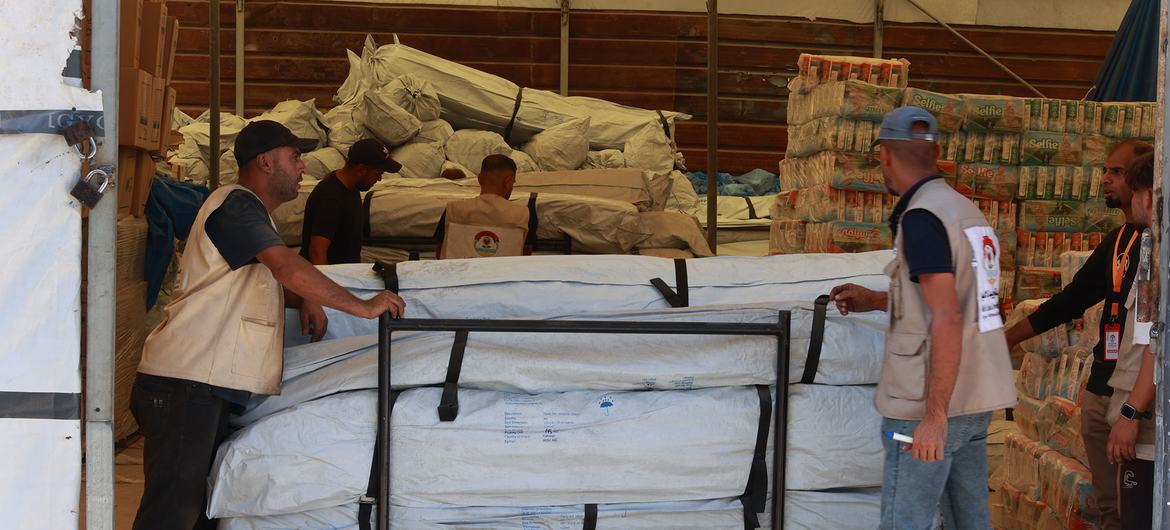
IOM's warehouses are full, trucks are ready, and aid is prepared for delivery - all that remains is for the crossings to open so help can reach those who need it most.
As winter approaches, the urgency grows as families lack access to adequate shelter materials, families.
"Families urgently need tents, blankets, and warm clothing. The cold is setting in. Without shelter and warmth, the suffering will deepen," says Mohammad Najjar, Programme Manager at the Beit Lahia Development Association (BLDA), an IOM Common Pipeline partner inside Gaza.
Last winter, more than a dozen people, including infants, died from hypothermia. Similar deaths can be prevented this year if families are adequately prepared and receive support before the harsh weather sets in.
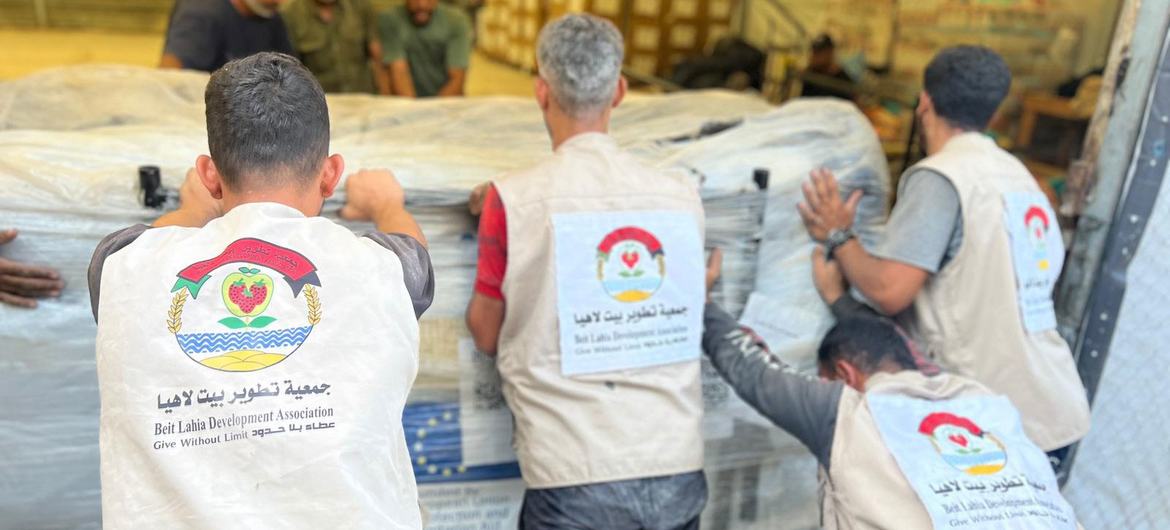
"The long road to recovery is already being paved by Palestinian humanitarian workers, with the support of the international community," M. Najjar adds. "But it will take peace, determination, and collective will to ensure that the safety and dignity of Palestinians in Gaza are preserved."
Tonight, many families will once again lie beneath an open sky. The ceasefire has offered breathing space, but winter is approaching, and needs are rising fast.


