
What are heatwaves and cold snaps?
A heatwave is a period of abnormally hot weather lasting three or more days. This is compared to the local climate and past weather. There are many ways to define a heatwave. The Bureau's heatwave assessment highlights heat that is extreme from a human health stress perspective. Heatwaves can affect any part of the country and often affect several regions at once.
A cold snap is a short period of very cold weather. It often arrives suddenly and can bring frost, snow or icy winds.
Both heatwaves and cold snaps are natural parts of Australia's climate, but they can still disrupt daily life.
What causes heatwaves in Australia?
In coastal areas, heatwaves usually form when hot desert air moves from central Australia toward the coast. Inland areas heat up faster and winds can carry that heat to the coast.
Lack of cloud also contributes to the heat. Clear skies allow strong sunlight to heat the ground during the day.
Dry soil can make heatwaves worse. When the ground lacks moisture, more heat goes into warming the air instead of evaporating water.
Stationary or slow-moving high-pressure systems can allow a build-up of inland heat. Earlier this year, persistent high-pressure systems in the Tasman Sea and Australian Bight trapped extremely hot air over south-eastern Australia for many days. This resulted in heatwave conditions reaching extreme levels, with record-breaking temperatures at many locations.
The Bureau of Meteorology classifies heatwaves in three different tiers: low intensity, severe and extreme heatwaves. Heatwave warnings will be issued for districts which are forecast to endure severe or extreme heatwaves.
A single hot day is not a heatwave. At least 3 consecutive days and nights must be hot for a heatwave warning to be issued.
What causes cold snaps in Australia?
Cold snaps usually happen when cold air moves north from the Southern Ocean. As the air gets dragged northwards, it takes the chilly weather with it.
Cold fronts often trigger these events. A cold front is the leading edge of a cooler air mass that replaces warmer air.
Cloud cover and rain can also lower temperatures, especially during the day.
At night however, if skies are clear, heat can escape quickly and increase the chance of frost.
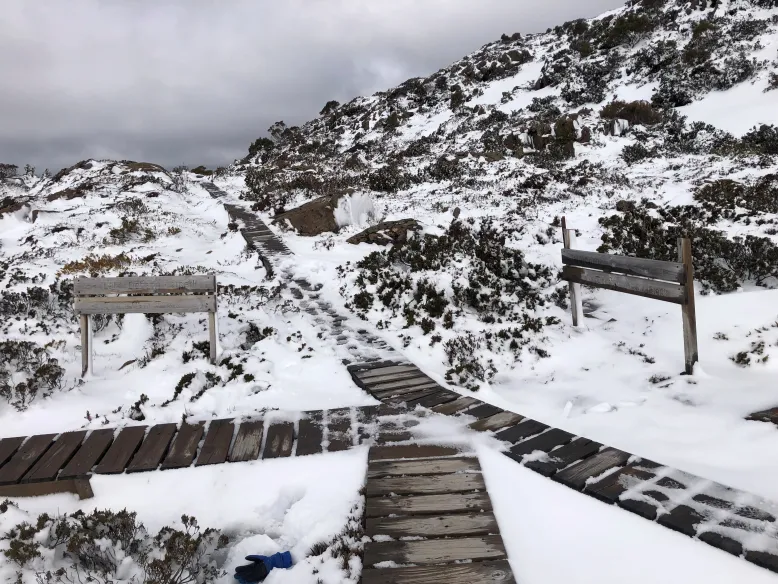
In southern and alpine areas, cold snaps may bring snow. These events are more common in winter but can happen at any time. Snow mostly occurs in alpine areas, but when the atmosphere is very cold in winter, snow can fall to low levels, and very occasionally right down to sea level.
The role of large-scale climate patterns
Large-scale climate patterns can influence both heatwaves and cold snaps. These patterns include the El Niño-Southern Oscillation, Indian Ocean Dipole and the Southern Annular Mode.
For heatwaves, these large-scale climate patterns control where high- and low-pressure systems are most likely to form in the Australian region. Their influences may also combine to increase the chances of heatwaves occurring. For example, El Niño has been linked to an increased number of summer heatwaves in parts of northern and eastern Australia compared to other years, but further south, heatwaves over Victoria have occurred more often during La Niña events.
You can


