1 min read
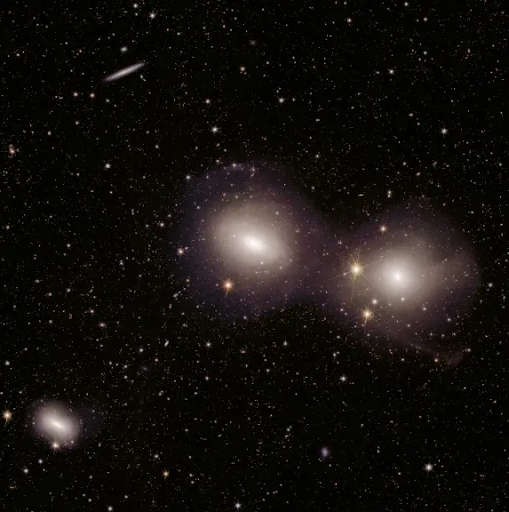
Galaxies carry the imprints of past encounters. When they pass near one another or collide, gravity pulls their stars into long tails, thin streams, and faint shells - features that preserve the history of these dramatic events. Thanks to deep, high-resolution images from the Euclid space telescope, an ESA (European Space Agency) mission with critical contributions from NASA, we can now see these delicate structures more clearly than ever before in unprecedented numbers.
As a volunteer for the Galaxy Zoo: Tidal Tales project, you'll help identify these signs of galaxy interactions. By classifying galaxy images, you'll help build the first large catalog of galaxy mergers seen by the Euclid space telescope. Your input will also train computer models to better recognize these features and describe how collisions shape star formation, galaxy growth, and the evolution of the universe.
Want to help astronomers trace how galaxy collisions reshape the universe over time? Join Galaxy Zoo: Tidal Tales on Zooniverse today!