
PHOENIX - This National Donate Life Month, Mayo Clinic is highlighting how innovation is shaping the future of transplant care.
"Over the last 50 years, transplant safety and outcomes have improved dramatically, making it a successful treatment for many patients. Since joining Mayo Clinic in 1976, I've seen how teamwork, research and high-volume expertise have driven advances," says Sylvester Sterioff, M.D., retired transplant surgeon.
Mayo Clinic performed its first transplant in 1963, marking the start of its pioneering work in transplantation. At that time, surgeons didn't typically specialize in transplants full time. The introduction of improved immunosuppression therapies in the 1980s greatly expanded capabilities, and surgical techniques have progressed from traditional open procedures to today's advanced methods.
"These innovations now allow us to accept a broader range of organs, and preservation techniques have improved considerably," says Dr. Sterioff. "Over the years, I've witnessed success rates in transplantation rise from 35% to over 90%. Mayo Clinic's foundation in collaborative, complex care makes these achievements possible."
Today, that progress is enabling less invasive options for some transplant patients.
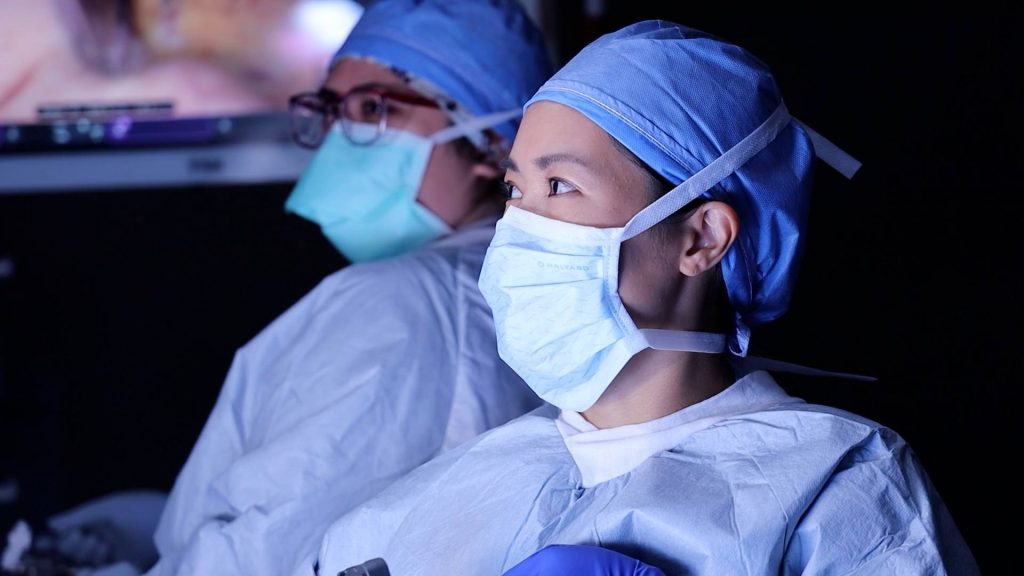
Watch: Inside the Innovation - Robotic-assisted kidney transplant


