- Ocean temperatures and extreme weather events are intrinsically linked - increased heat in the upper ocean surface means violent storms become more intense.
- With rising ocean temperatures coupled with El Niño, we have witnessed extreme weather events, like tropical storms, cause far more damage.
- The fossil fuel-driven climate crisis is supercharging ocean heating and climate impacts, and is also destroying ocean life, one of our best defences against climate change.
Ocean temperatures and extreme weather events are intrinsically linked - increased heat in the upper ocean surface means violent storms like cyclones, hurricanes and typhoons can pick up more energy and become more intense.
Coupled with El Niño, we have seen weather patterns around the world change, with extreme weather events, like tropical storms and wildfires, happening more frequently and causing far more damage than ever before.
The fossil fuel-driven climate crisis is not only supercharging ocean heating and climate impacts, but it is further destroying ocean life along with one of our best defenses against climate change.
What is the ocean temperature?
The daily global average ocean surface temperature hit a record-breaking high in August this year, reaching 21.1ºC. The ocean is hotter now than at any time ever recorded. The ocean temperature records cover the last 150 years, but based on proxy observations, we can say oceans are hotter than well before the rise of human civilisation.
Recently, the European Union's (EU) Copernicus Climate Change Service warned of unprecedented strain on the world's oceans as El Niño and the climate crisis drive up sea surface temperatures. They also noted this new temperature high was especially strange, since global ocean temperatures usually peak in March and April, when summer in the Southern Hemisphere (which is mostly ocean, and therefore has more surface to heat) ends.
With El Niño's impact strengthening in the months that have followed, we've already begun to see what Copernicus has been warning about in relation to the climate phenomenon reaching "levels not seen for several decades".

When did scientists find out about rising ocean temperatures?
Scientists noticed ocean temperatures reached uncharted territory as far back as April 2023, when it was reported that the average global sea surface temperature had hit a new record high. At the time, it was reported that the ocean had never warmed this much, this quickly since record keeping began.
While not fully understanding why this had happened, they were concerned that, combined with other weather events, the world's temperature could reach concerning new extremes by the end of 2024. In June 2023, scientists noted that heat was now rising to the ocean surface, and NOAA issued an El Niño advisory, warning of extreme weather conditions and worsening global heat records.
What is causing the ocean temperature to increase?
In short, the ocean temperature is increasing because of fossil-fuel-driven global heating. Samantha Burgess, the strategic lead for climate at the European Centre for Medium-Range Weather Forecasts (ECMWF), clarified that while many assume that heat from El Niño is to blame for the devastating increase in ocean temperatures, this comes as long-term fossil-fuel-driven heating has already raised ocean surface temperatures by 0.8ºC.
Over 90% of the heat associated with global heating has gone into the oceans.
This rapid increase in the ocean's temperature correlates directly with the unprecedented rising temperatures caused by climate-wrecking greenhouse gases and other pollutants. The alarming spike in ocean surface temperatures was not as sudden as it may seem. Just like global heating, we've known for decades - fossil fuel companies just chose to ignore the science in their relentless pursuit of profit.
What does El Niño have to do with rising ocean temperatures?
El Niño and its partner, La Niña, are opposite ends of a natural oscillation, the El Niño Southern Oscillation, which plays out in the tropical Pacific Ocean.
During El Niño, weaker trade winds reduce the amount of cold water rising from the ocean depths, allowing surface waters in the eastern Pacific to become warmer than usual. During La Niña, stronger trade winds push warm water further west and bring more cold water to the surface, making the eastern Pacific cooler than usual.
Ordinarily, El Niño raises ocean surface temperatures by 1-2ºC, but forecasts for 2026 initially predicted more than 3ºC in the coming months. More recently, the World Meteorological Organisation (WMO) seasonal outlook predicted the El Niño event would drive temperatures in the central Pacific 3.8ºC above normal ocean surface temperatures. This, too, is record-breaking.
What are the consequences of unusually high ocean surface temperatures?
Rising ocean temperatures, firstly, have a direct impact on coastal communities and their way of fishing and living. Rising temperatures also kill off marine life, lead to more extreme weather and raise sea levels. Additionally, they are also less efficient at absorbing planet-heating greenhouse gases.
Can rising ocean temperatures increase extreme weather events, like floods?
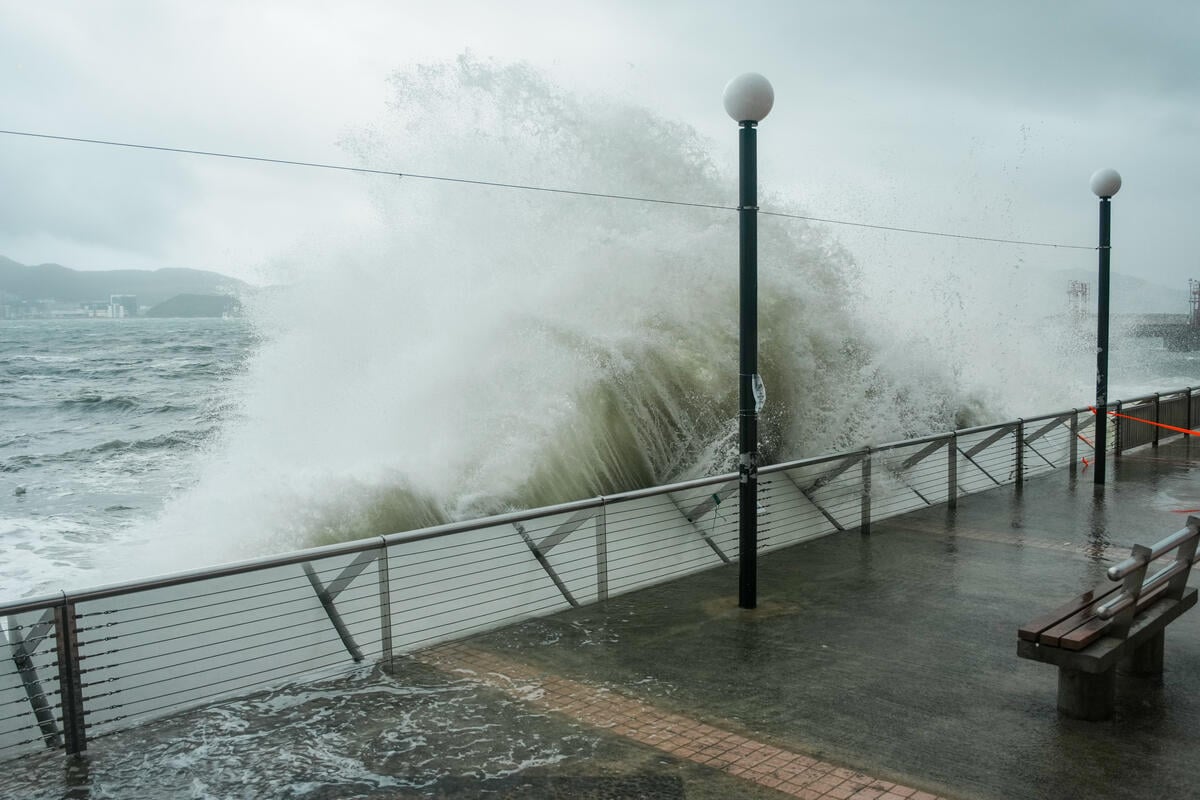
Yes. Increased heat in the upper ocean surface means cyclones, hurricanes and typhoons can pick up more energy, and this means they become more intense, claiming lives, harming communities and exacerbating health risks. Warm water is jet fuel for these extreme weather events. When these juiced-up storm surges coincide with high tides, sea levels spike violently.
The recent devastation caused by Typhoon Dolphin on China's coastal mega-cities was an example of this - and served as a harsh climate reality check.
Fuelled by abnormally warm waters in the East China Sea, the super typhoon rapidly intensified before making landfall in Zhejiang Province in early August 2026. Shanghai and several major cities are historically clustered in the Yangtze River Delta. Streets flooded across Shanghai, Hangzhou, and Wuxi, driven by a dangerous mix of relentless rain, river water backflow, and storm surges driving up the tide.
Multiple cities issued heavy rain alerts and adjusted public facilities and transit services. Instances of extreme storm surges of two metres or more along China's coast have doubled since the 1980s.
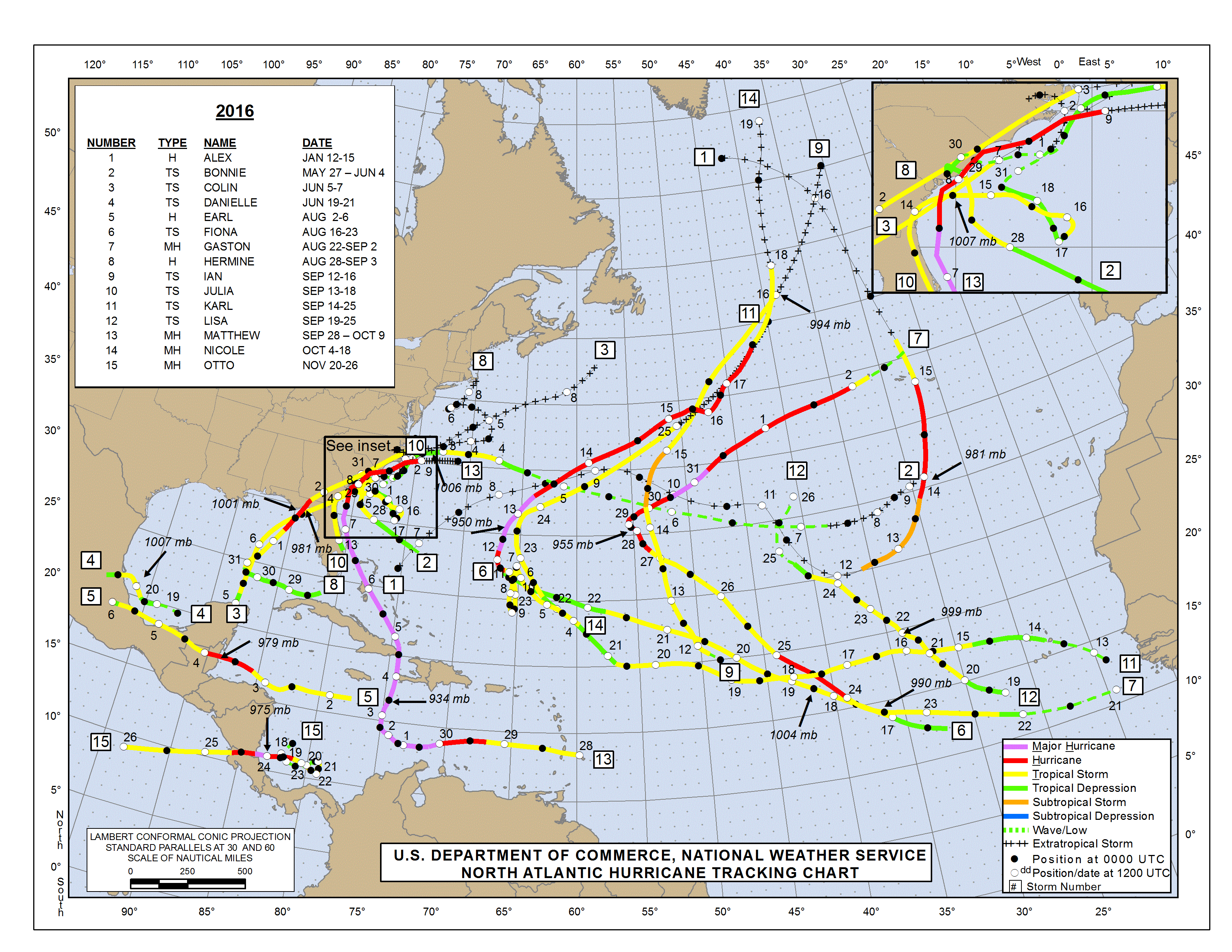
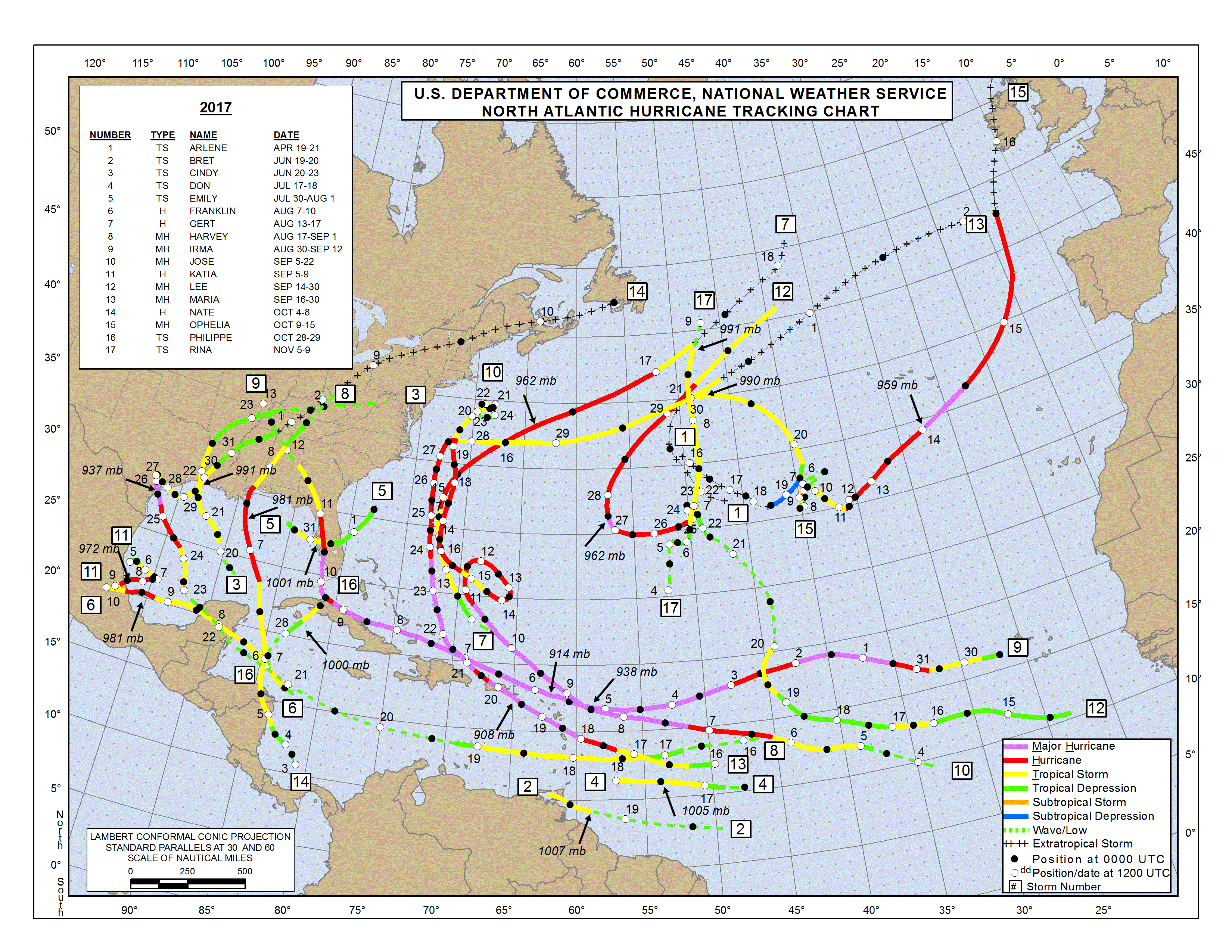
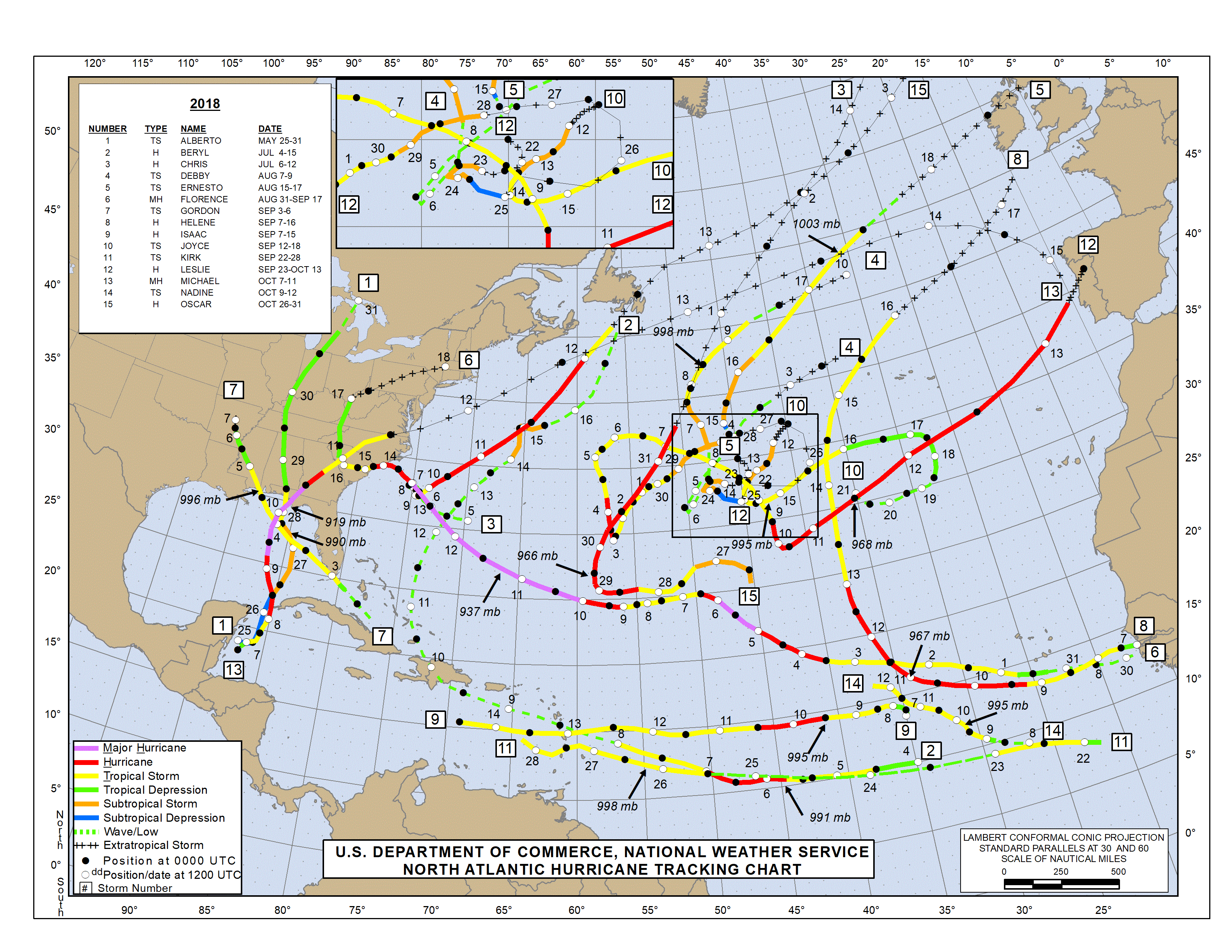
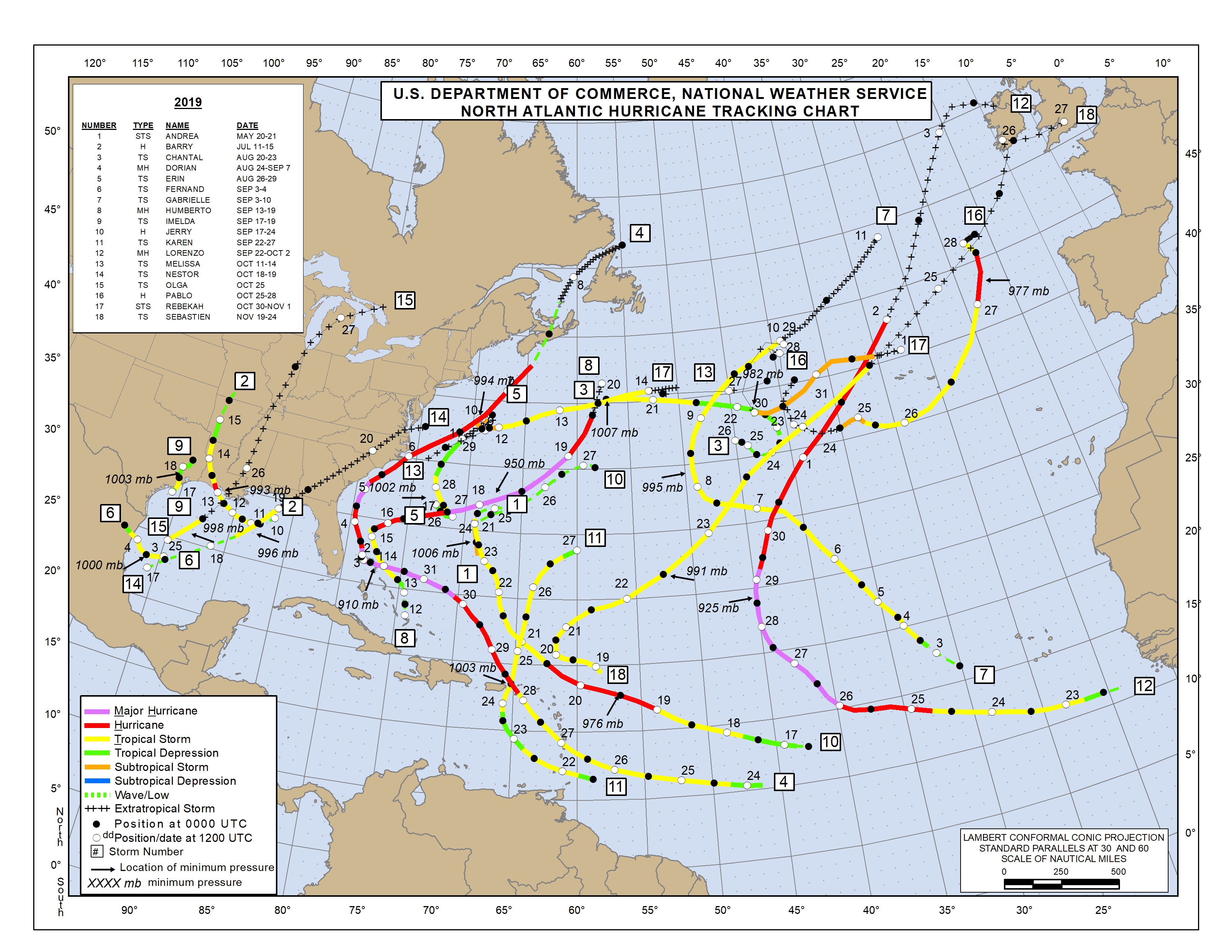
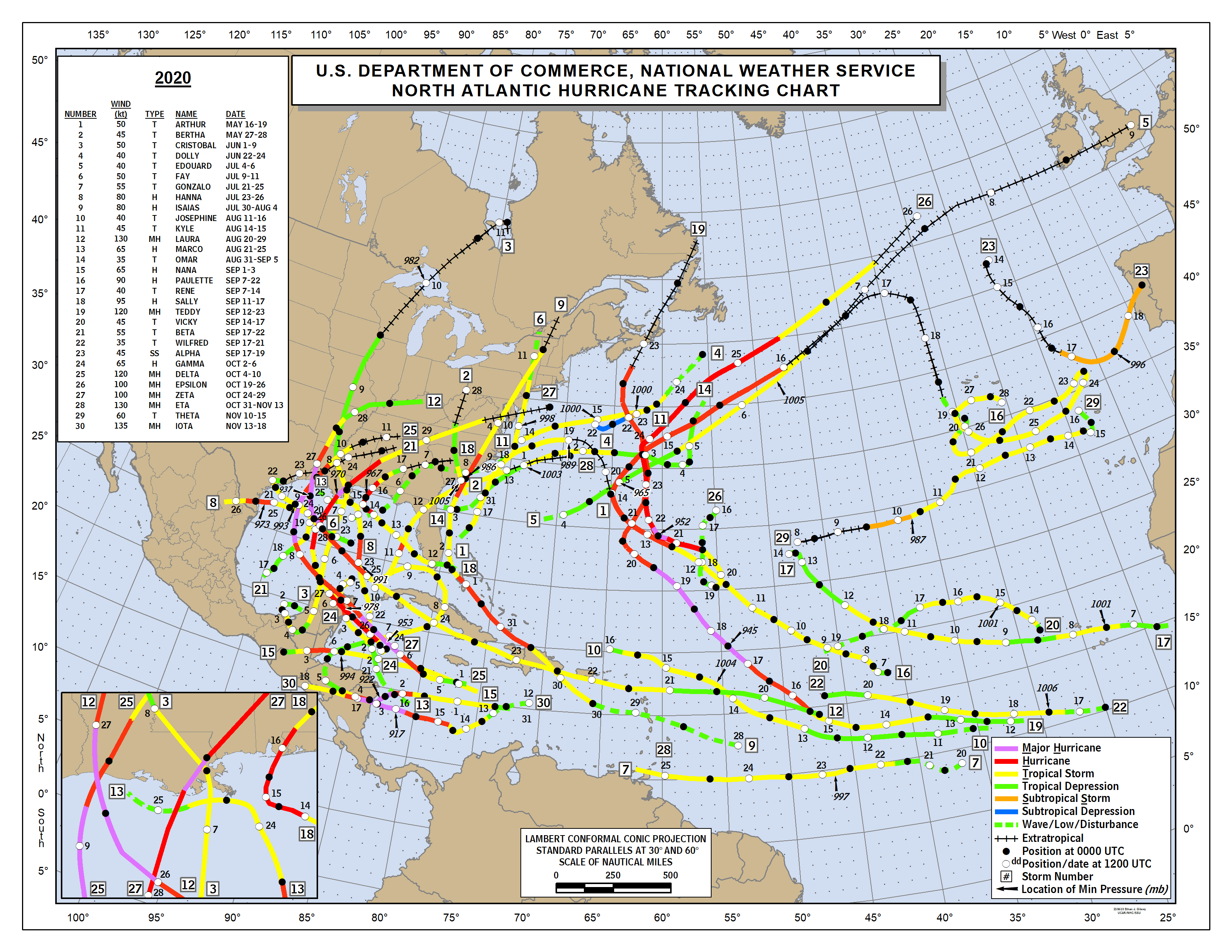
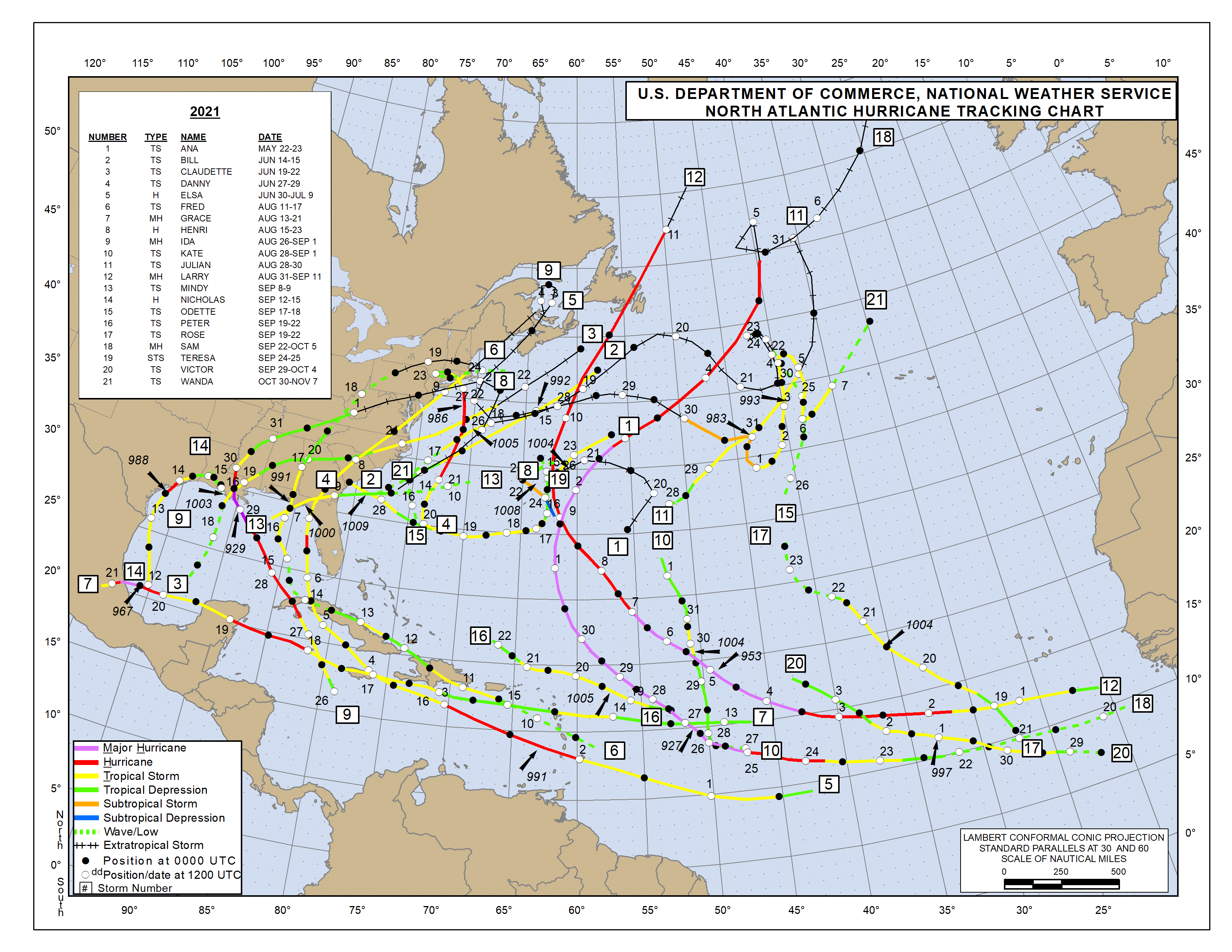
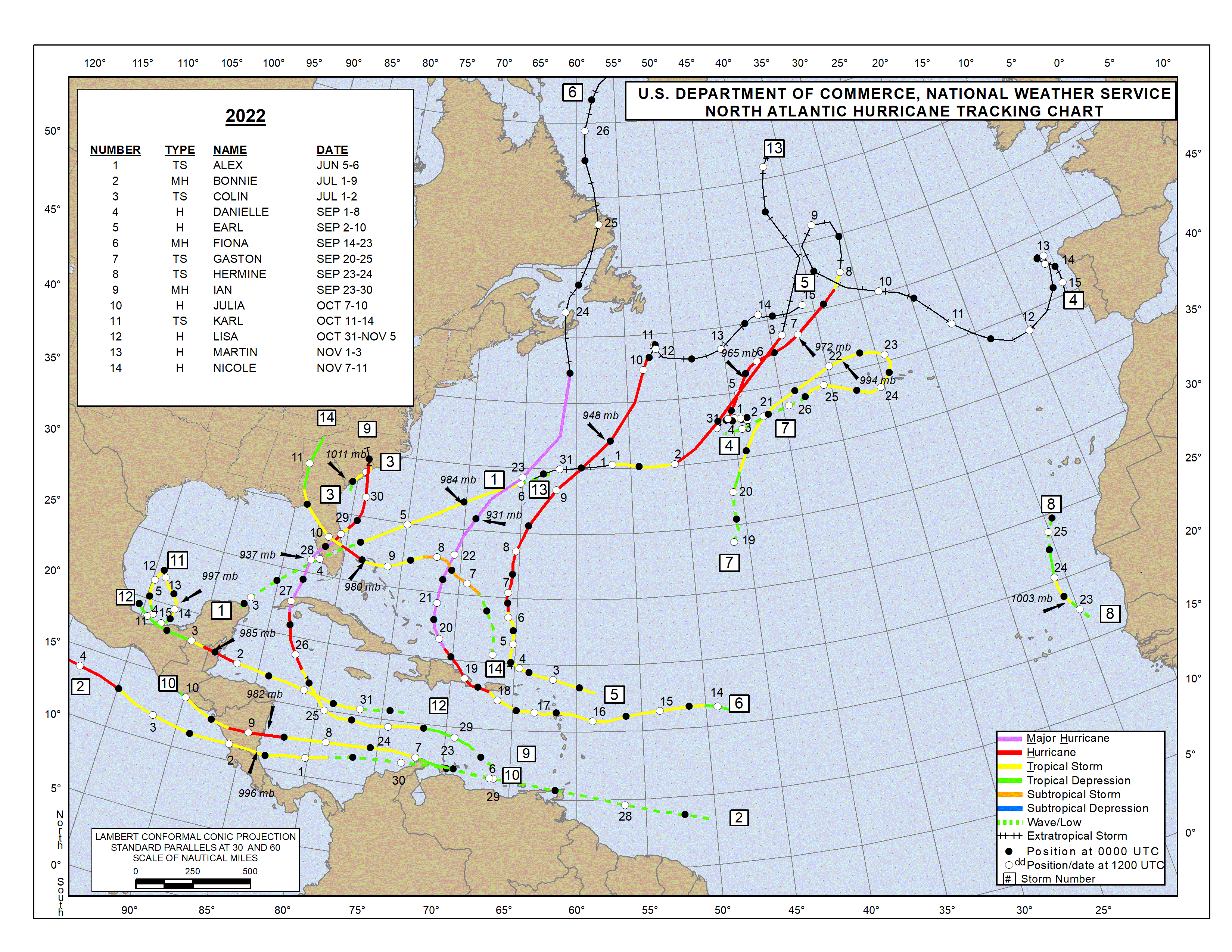
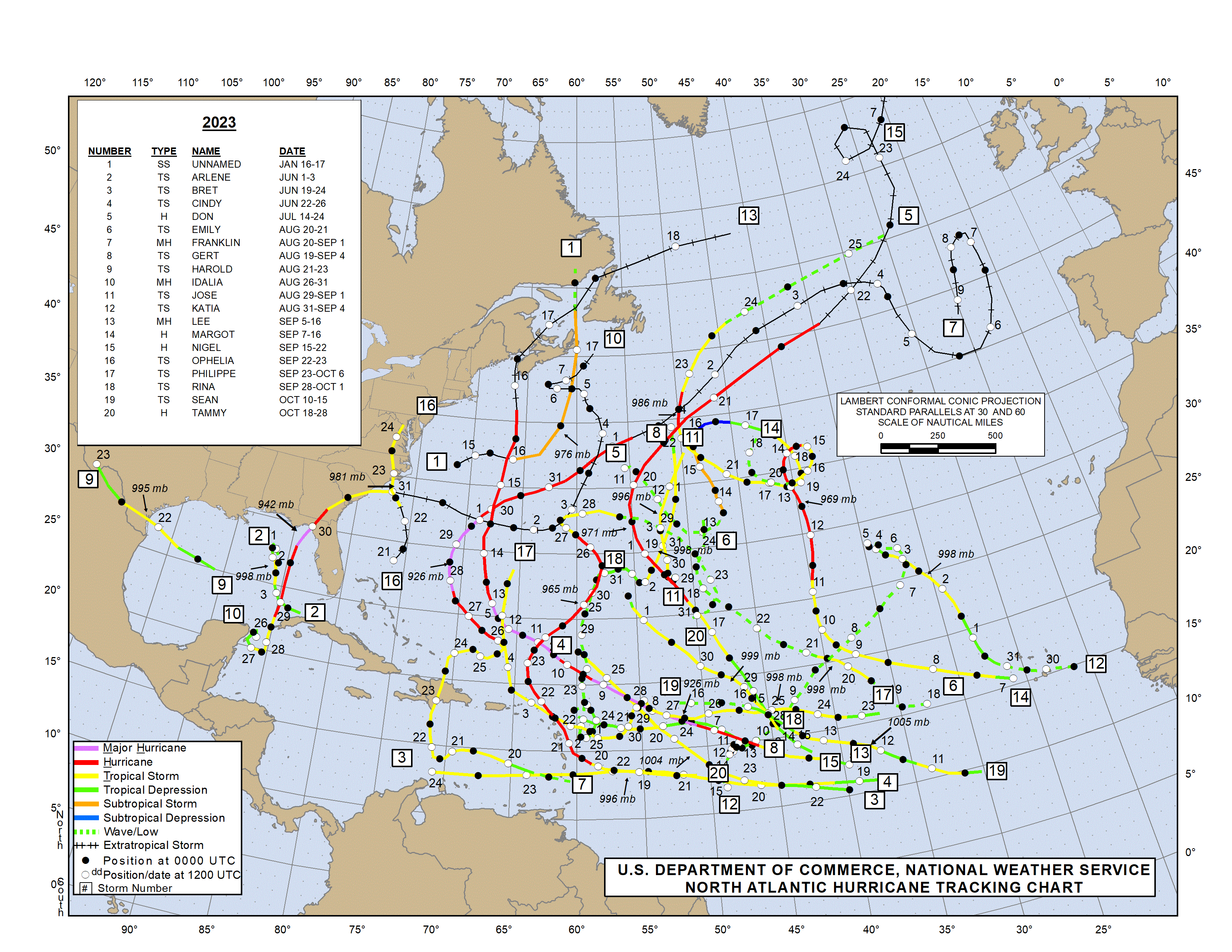
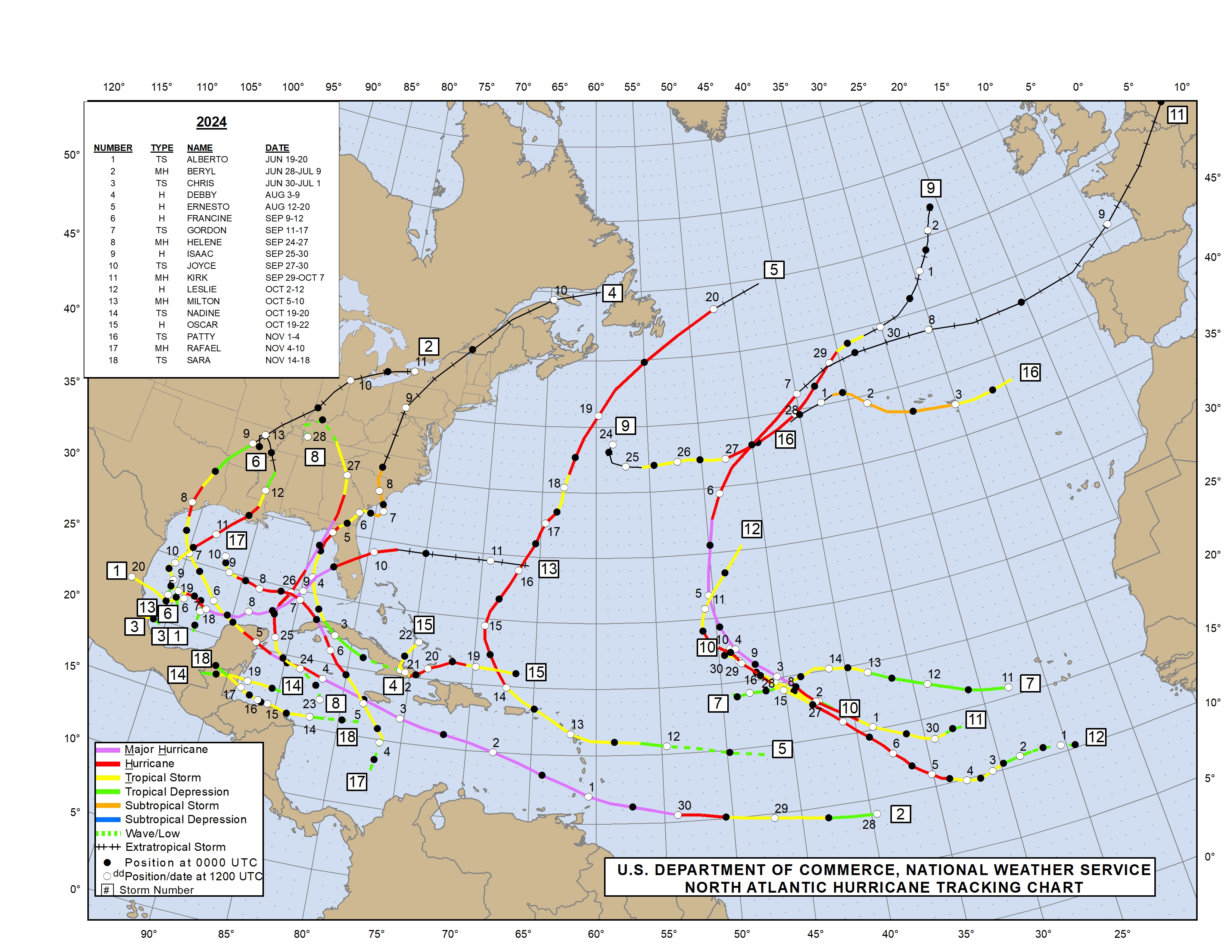
Some places, particularly island nations like Barbados, Grenada, Fiji and Vanuatu, are particularly vulnerable to climate impacts - and are already paying the price. Unusually warm sea surface temperatures in the North Atlantic have also impacted the Atlantic hurricane season. Sky-high ocean temperatures created the conditions for Hurricane Beryl to develop in 2024, as the earliest-forming Category 5 hurricane on record in the Caribbean. As the ocean heats up, this rapid intensification is becoming more common.
| Global Historical Tropical Cyclone Statistics | |||
| Year | Named Storms | Hurricanes | Category 3+ Hurricanes |
| 2016 | 83 | 47 | 26 |
| 2017 | 84 | 43 | 20 |
| 2018 | 104 | 60 | 33 |
| 2019 | 98 | 55 | 35 |
| 2020 | 104 | 47 | 24 |
| 2021 | 97 | 38 | 16 |
| 2022 | 91 | 42 | 17 |
| 2023 | 76 | 46 | 30 |
| 2024 | 87 | 42 | 23 |
| 2025 | 102 | 52 | 24 |
| Source: Colorado State University Department of Atmospheric Science | Tropical Meteorology Project | |||
What happens to marine life when ocean temperatures are very high?
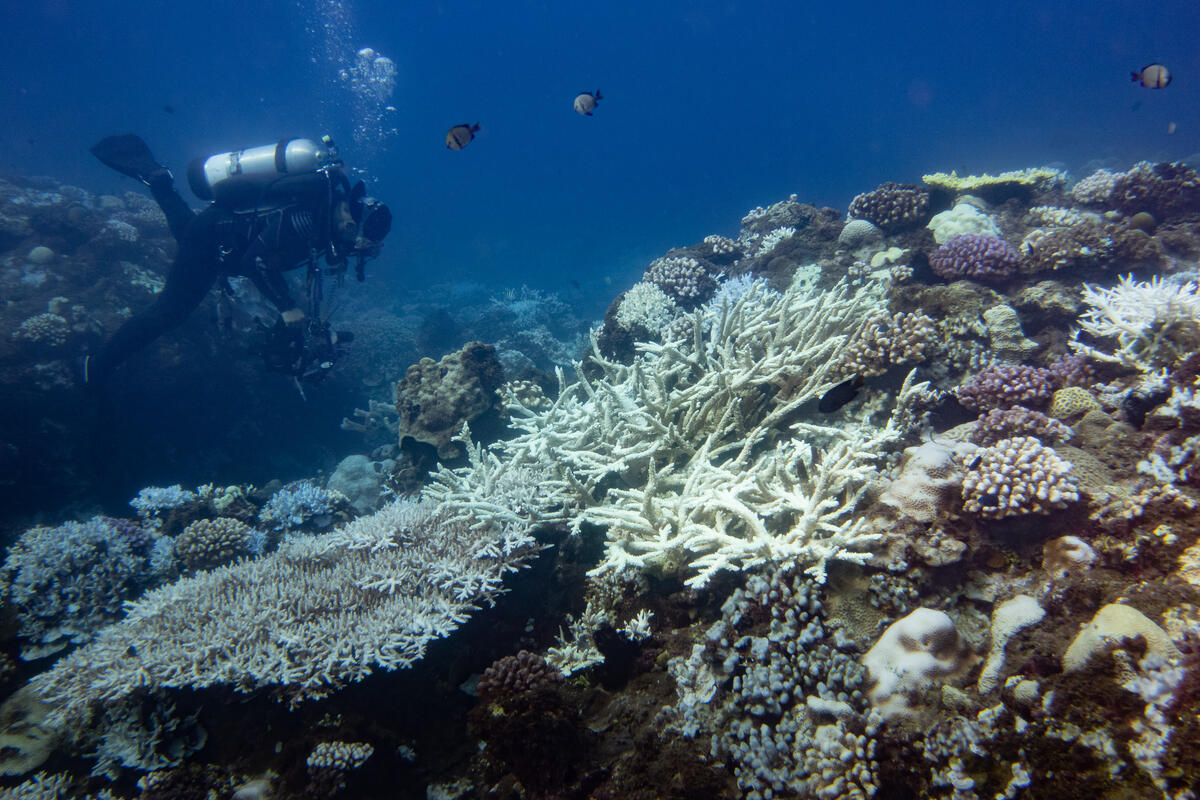
A dire consequence of rising ocean temperatures is more frequent and intense marine heatwaves that can lead to mass mortality of sea life. This is particularly damaging for coral reefs. In recent years, we've witnessed widespread coral bleaching around the world. Bleaching has been seen on reefs in the Caribbean, Florida, Egypt, and the Great Barrier Reef.
Coral is Earth's longest-living animal; as long as environmental conditions are good enough, some can live up to 5,000 years. Therefore, coral colonies usually die due to a poor living environment, extreme changes in their surroundings or their destruction by other creatures. When their living environment is not optimal, zooxanthellae that live in symbiosis with coral gradually leave or are expelled by the coral, causing coral to lose colour and gradually bleach. The optimal water temperature range for growth of most reef-building corals is 20-28°C. Unusually high ocean temperatures cause them to bleach and die.
Taiwan used to be known as the coral kingdom. It has one of the widest varieties of coral in the world. Of the 700 species of stony corals on the globe, 250 species can be found along the coast of Taiwan. The country began seeing widespread coral bleaching in its waters around 2020. The Coral Reef Observation System of the National Oceanic and Atmospheric Administration (NOAA) raised Taiwan's bleaching warning to the highest stress level during summer that year, predicting severe coral bleaching and significant mortality due to global heating. The destruction and death of coral reefs has dealt a major blow to marine ecosystems.
A warming ocean has also created the perfect conditions for aquatic diseases to thrive. Scientists investigating recent mass die-offs of sardines in Southern Africa suspect that an outbreak of a fish-specific herpes virus may be responsible. The South African government stated that changes in water quality or temperature make fish more vulnerable to disease.
Pilchard herpes virus poses no risk for humans; however, these mass die-offs not only disrupt food supply for coastal communities, but they can have far worse consequences for other marine life depending on the few fish left after industrial fishers loot Africa's waters. For example, the already endangered African Penguin also experienced a mass die-off earlier this year, with 60,000 birds found dead on the Southern African coastline.
How do rising ocean temperatures affect ordinary people?
As mentioned, rising ocean temperatures could radically alter the food chain and, therefore, access to food for the people who rely on fish. Much like other animal species that rely on seafood for survival, the impact of global heating on marine ecosystems poses another challenge to coastal communities' livelihoods on top of those they already face, such as harmful industrial fishing.
The climate crisis has drastically reduced seasonal catch for some fishing communities, denying them their livelihoods, safety and security. In Kerala, India, where 68% of fisherfolk fall below the poverty line, the change in rising ocean temperatures has also led to a drop in the population of vulnerable fish species, affecting the income of fishing communities and permanently altering marine life.
Further, tropical storms supercharged by rising ocean temperatures can also impact coastal communities' access to fish. In 2017, for example, Cyclone Ockhi led to a 46% fall in annual fishing days in Kerala.
Do rising ocean surface temperatures make global heating worse?
Not only is global heating contributing to rising ocean surface temperatures and the destruction of marine ecosystems, but rising ocean surface temperatures weaken the ocean's ability to absorb climate-warming greenhouse gases. This destructive cycle that further adds to the harm our planet already faces
Most of the heat caused by carbon dioxide from fossil fuel burning and forest destruction is absorbed by our oceans. However, a warmer ocean is less efficient at absorbing carbon dioxide. Ocean heating is potentially weakening one of the planet's most important allies against the climate crisis and biodiversity collapse.
Aquatic plant species like kelp play a similar role to trees and plants on land by trapping carbon dioxide, while providing shelter for underwater life. Healthy kelp forests indicate marine health and that life can survive and repopulate. But microscopic marine plant species called phytoplankton play an even bigger role in absorbing carbon and drawing it down into deeper water. These organisms make a major contribution to keeping the planet's oxygen cycle in balance, absorb billions of tonnes of carbon dioxide annually, and are the foundation of the marine food web.
Rising ocean temperatures are noticeably impacting these climate-buffering species.
What can we do to stop rising ocean temperatures?
We need urgent action from governments to stop rising ocean temperatures and their knock-on impacts. We need to urgently activate the Global Oceans Treaty, which came into force this year after decades of public outcry. The creation of fully and highly protected ocean sanctuaries will help marine ecosystems recover. We also need to take action against the fossil fuel companies and meat and dairy industry driving up global temperatures, which heat the ocean, defend ecosystem defenders and demand a fast, fair, funded transition away from fossil fuels.
Healthy coastal ecosystems can be a powerful ally in addressing climate, biodiversity and inequality crises on a global scale. Coastal ecosystems, such as mangroves, seagrass meadows and salt marshes, provide critical services to people who live near them, from sustaining local diets and fishing industries to protecting homes and infrastructure from erosion and storm damage. But their climate and nature benefits spread far beyond coastal communities.
By protecting the ocean's natural 'blue carbon' stores, governments can increase marine life's resilience to climate change and help to mitigate its effect.
How are governments supposed to protect the ocean?
The best way for governments to protect the ocean is to activate the Global Oceans Treaty to create fully and highly protected global ocean sanctuaries. For years, harmful industrial activities, like overfishing, and climate change have been killing marine life and destroying ecosystems. This has left the ocean out of balance and is affecting all life in the ocean. When you destroy one ocean ecosystem, all parts suffer.
The 'biggest conservation victory' and 'most important accomplishment for international cooperation' in decades: the historic Global Ocean Treaty came into force in 2026, thanks to millions of people who understood how important it was to stand together. Soon, governments will gather at the world's first UN Ocean COP1 to make decisions that will shape our blue planet's future for generations to come.
The decision-makers must activate the Treaty to create fully and highly protected global ocean sanctuaries - safe places where marine life can recover and thrive, and stand firm and put the ocean before the short-term profits of destructive fishing industries. We need safe spaces for marine life and areas where the ocean can replenish and rebalance. When you destroy one ocean ecosystem, all parts suffer.
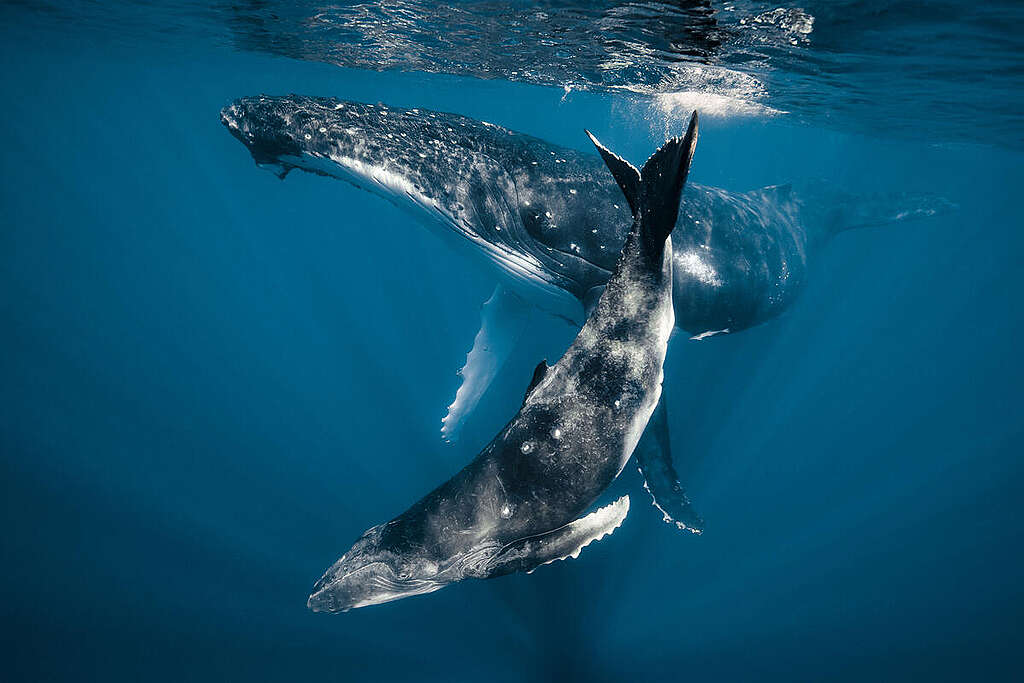
Call on your government to start implementing protected ocean sanctuaries.
What can we do about oil and gas companies that cause global heating that raises ocean temperatures?
The only way big polluters will stop their climate-wrecking quest for profits at the expense of our planet and ocean is if they are made to pay. Despite contributing most to global heating, the fossil fuel industry pays hardly nothing toward the destruction they've fueled.
If you spill someone's drink, you buy them another; if you break someone's window, you pay to fix it. However, every time a wildfire rips through a town, every time water floods a home, every time heatwaves drive up energy bills and hospital visits - we pay the price. The oil, coal and gas corporations that fueled the extreme weather? They pay nothing.
For decades, oil, coal and gas corporations have raked in trillions while making the world more dangerous - supercharging wildfires, floods, and deadly heatwaves. Instead of taking responsibility, they have covered it up and lied to us - as far back as the 1950s. There is nothing natural about disasters like these.
This isn't just unfair - it's outrageous. It's time to make them pay.

Sign the pact, record your story. Join the global movement to make polluters pay.
Frequently Asked Questions
What is the ocean temperature's role in extreme weather events?
Ocean temperatures and extreme weather events are intrinsically linked – increased heat in the upper ocean surface means violent storms like cyclones, hurricanes and typhoons can pick up more energy and become more intense, causing more damage.
What is the ocean temperature?
The ocean surface temperature hit a record-breaking high, reaching 21.1ºC in August this year. Our ocean temperature records cover the last 150 years, but based on proxy observations, we can say they are hotter than well before the rise of human civilisation.
What problems can high ocean surface temperatures cause?
Rising ocean temperatures have a direct impact on coastal communities and their way of fishing and living, kill off marine life, lead to more extreme weather and raise sea levels. They are also less efficient at absorbing planet-heating greenhouse gases.
Does rising ocean surface temperatures make global heating worse?
Not only does global heating contribute to rising ocean surface temperatures and the destruction of marine ecosystems, but rising ocean surface temperatures weaken the ocean's ability to absorb climate-wrecking greenhouse gases.