
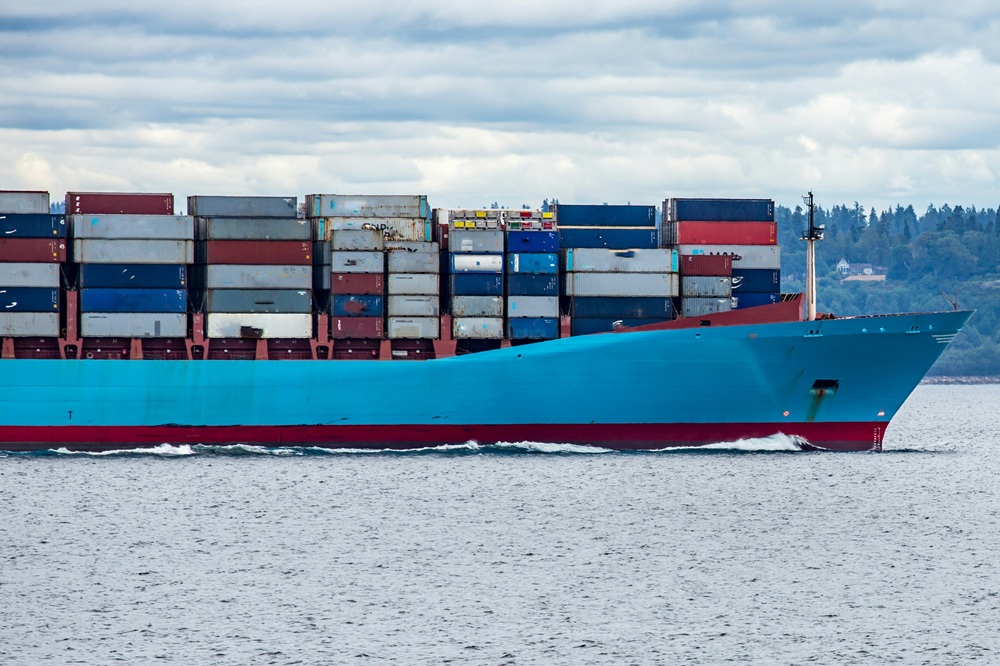
Transitioning global shipping from fossil fuels to clean hydrogen energy could prevent nearly 130,000 premature deaths each year and yield US$306 billion (S$411 billion) in global economic savings, according to a study led by NTU Singapore, Centre for Climate Change and Environmental Health.
Published in the journal Nature Communications, the study provides the first global assessment of the air quality, public health, and economic co-benefits of replacing conventional marine fuels with hydrogen.
Global maritime transport consumes fossil fuels equivalent to 200 million tonnes of oil annually. While recent international regulations have lowered sulfur content in marine fuel, ship exhaust continues to emit substantial air pollutants, contributing to tens of thousands of premature deaths each year, particularly near busy coastlines.
The NTU-led research team found that a complete transition to hydrogen would eliminate an estimated 129,500 premature deaths globally every year.
Access full journal paper at Nature Communications.


