
Indigenous territories have long been treated as frontiers open for exploitation, while its Peoples, who have protected the lands for generations, face fresh threats to their physical, cultural, spiritual, and territorial integrity. Earlier this month, the Articulation of Indigenous Peoples of Brazil (APIB) held a seminar "This Land Has an Owner: Indigenous Territories Free from Mining", with the aim to discuss the threats posed by industrial and illegal mining to Indigenous territories, ways of life, and autonomy
Following the gathering, Indigenous Peoples launched a statement that represents their stance against a movement that is gaining momentum with the global race for critical minerals and rare earth elements, weaponising the argument that these resources are necessary for the energy transition. Here's what they had to say.
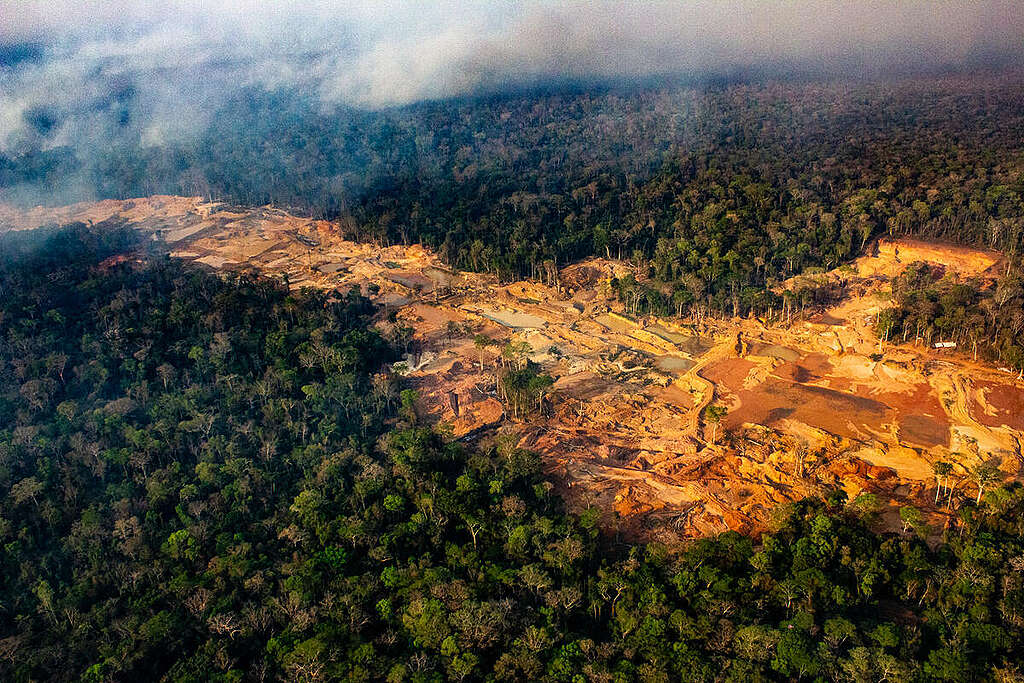
When the energy transition relies on opening up new frontiers for exploitation, violating rights, and destroying ecosystems, it reproduces the colonial logic that has historically turned territories into sources of raw materials while leaving local populations to bear the socio-environmental costs of that exploitation.
While governments and corporations present mining as an inevitable path towards sustainability, Indigenous Peoples warn this must not be used as a justification to deepen the violence, contamination, and appropriation of their territories.
Illegal and industrial mining have been posing threats to Indigenous Lands, such as heavy metal contamination from mercury and lead, as well as the destruction of their sacred sites, provoking a series of negative impacts among the peoples and communities who have historically protected the forest and its ecosystems.
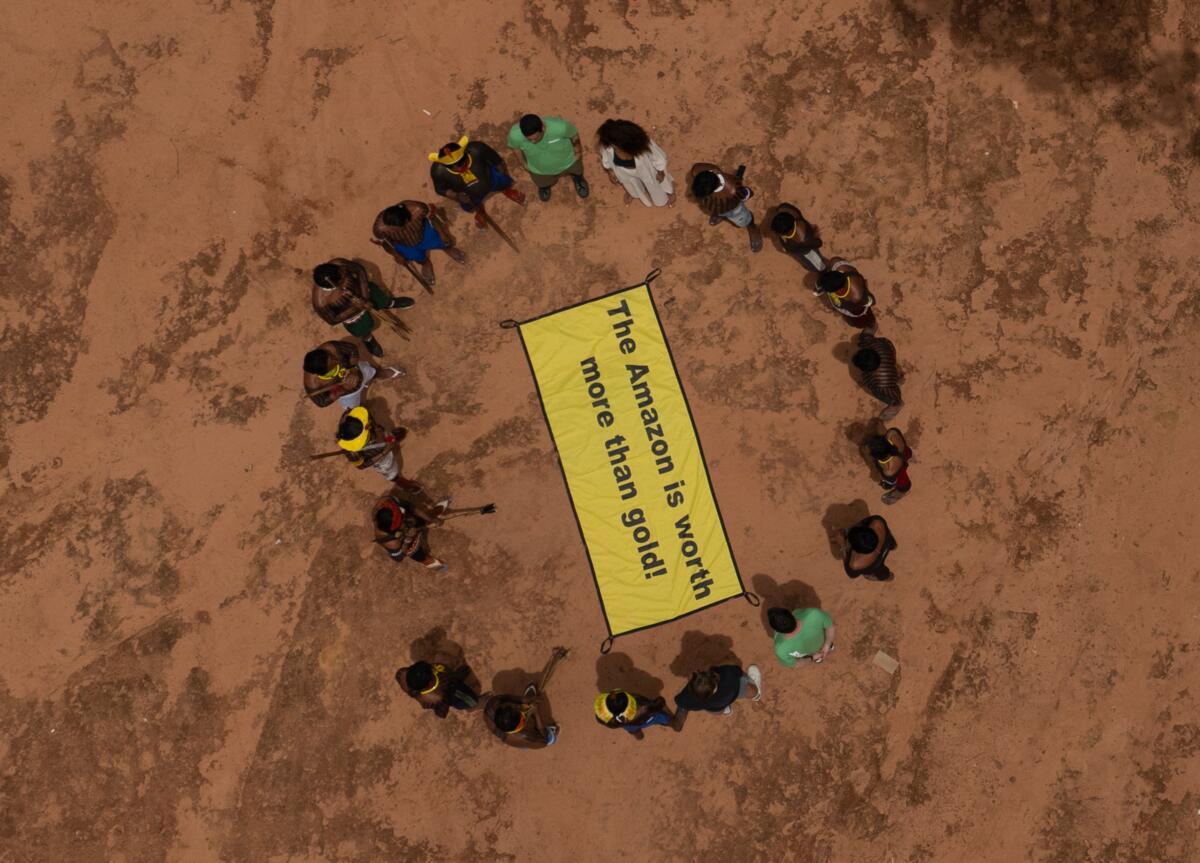
Indigenous Peoples refuse to be treated as obstacles to economic development. Self-determination is a fundamental right: it is up to the Peoples themselves to decide on their life projects, their forms of organisation, and what may or may not take place on their Territories.
For this reason, Indigenous Leaders reject consultations carried out merely to legitimise decisions already made by the state or by corporations. Consultation cannot be reduced to a box-ticking exercise to push projects through, but must serve as an instrument to uphold the right to decide. Free, prior, and informed consent must respect the autonomous protocols of each person and guarantee a genuine right of refusal.
Greenpeace Brazil calls for confronting an extractivist model that disregards the social, environmental, cultural, and spiritual dimensions of Indigenous Territories. Projects that shape the future of their lands cannot move forward based on the logic of cobbled-together political majorities, continuing to inflict pain and suffering on Brazil's more than 300 Indigenous nations.
As Indigenous leaders state in their final letter at the end of the seminar:
Our sovereignty stems from our peoples and our territories: it cannot be divided between the surface and the subsoil, because the land, the waters, the minerals, and the ways of life sustained there form a single territory of life
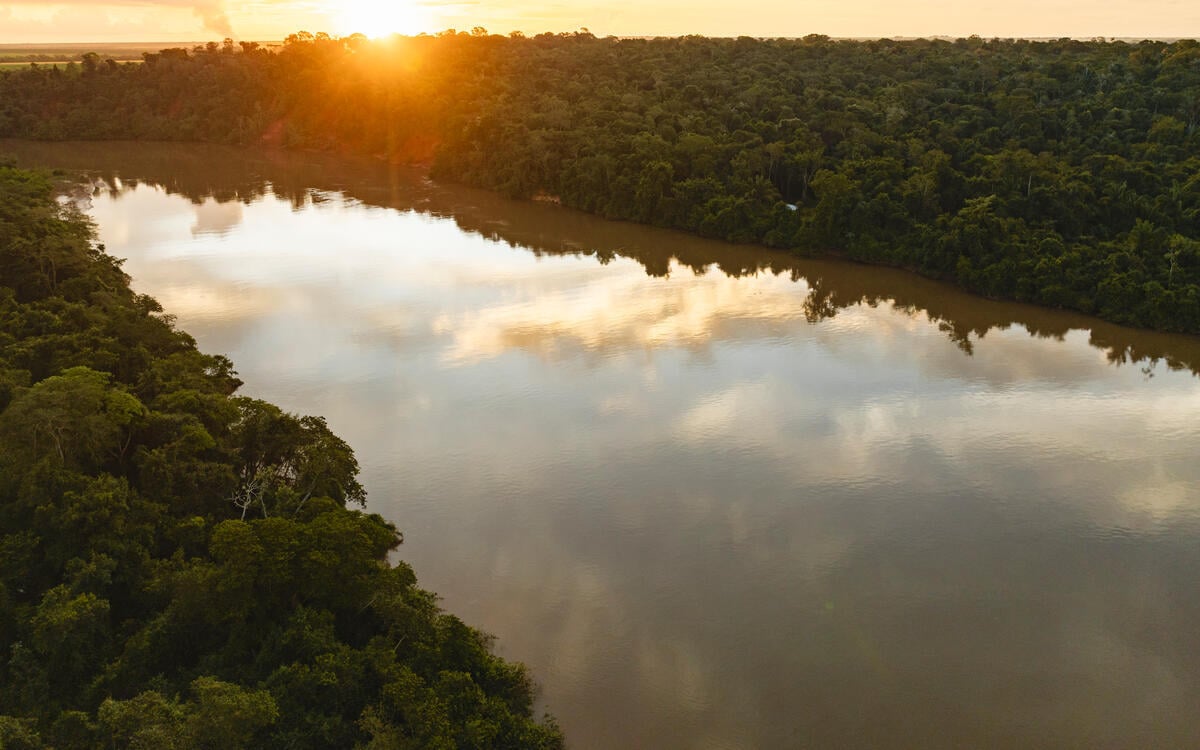
A truly just energy transition must confront historical inequalities, reduce pressure to open new extractive frontiers, and respect the rights of those who protect the ecosystems vital to climate balance.
There is no climate justice when the response to the environmental crisis reproduces the very forms of violence that helped create it.
Read the full final letter (in Portuguese) here.
Camila Garcez is a Campaign Engagement Analyst at Greenpeace Brazil.


