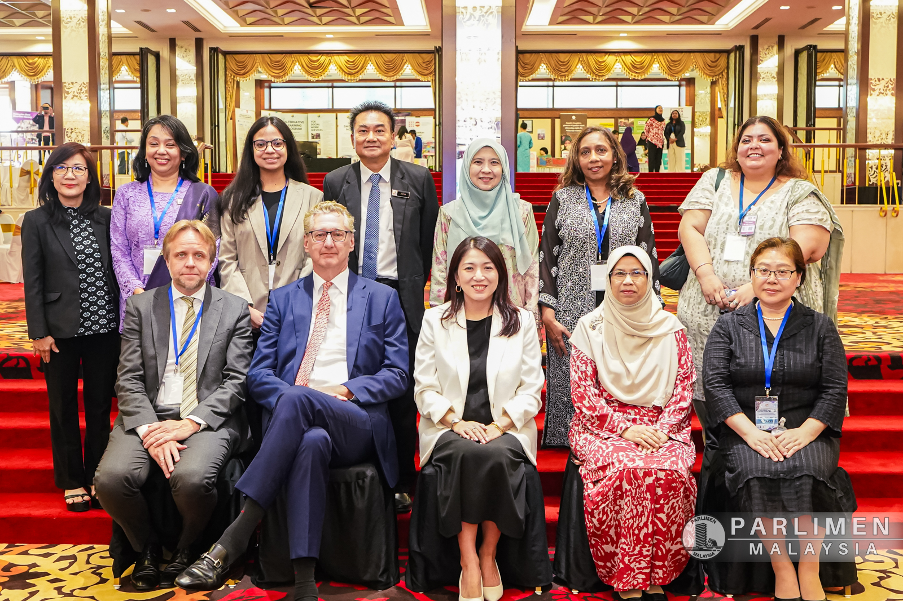
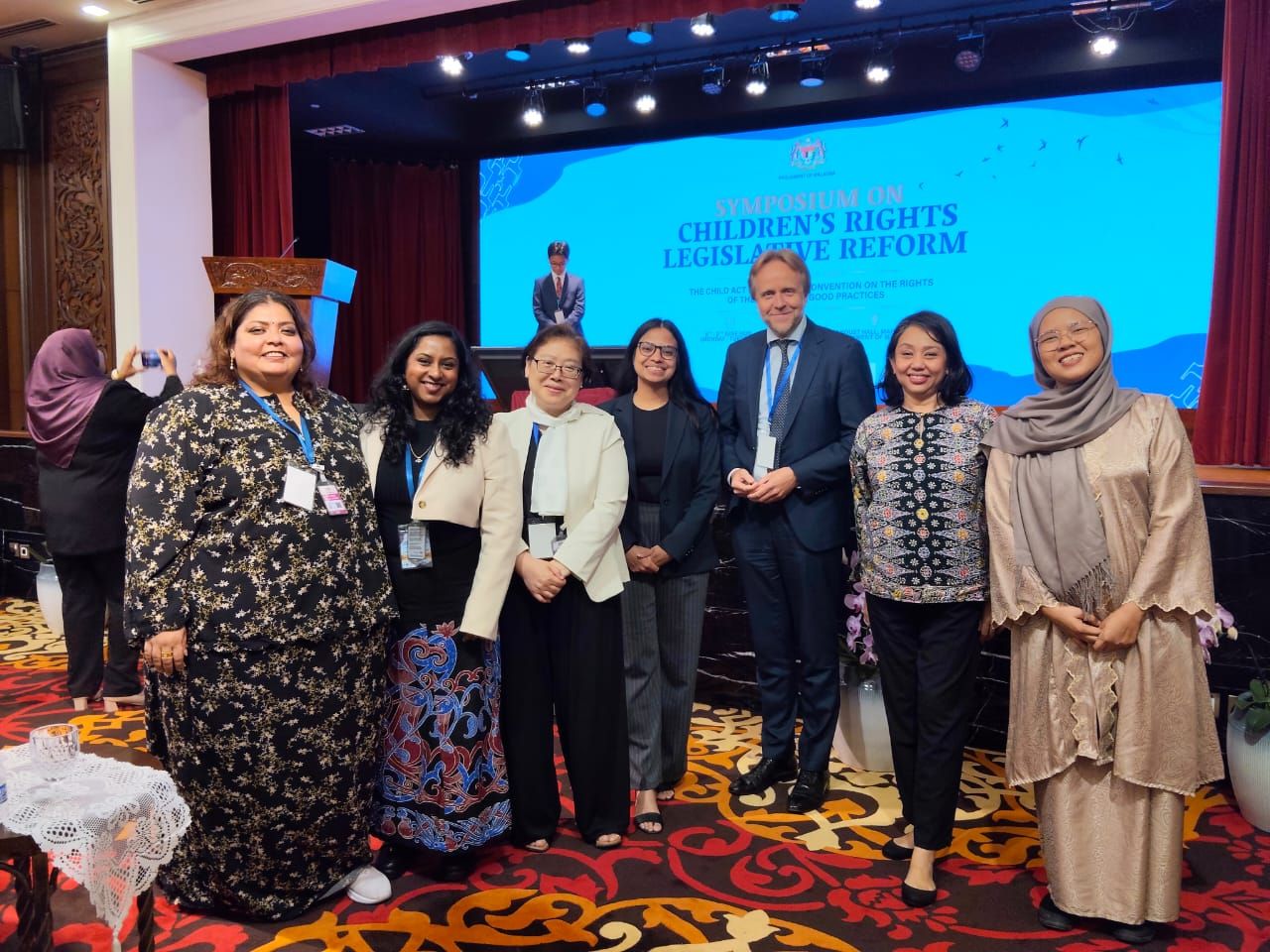
From 8 to 12 June 2026, Leiden Law School contributed to a five-day programme in Malaysia dedicated to strengthening the implementation of the UN Convention on the Rights of the Child (CRC) through legislative reform. Bringing together parliamentarians, judges, commissioners, civil society leaders, child advocates, academics, lawyers, children and young people, the programme created a space for practical learning and cross-regional exchange on how children's rights can be translated into law, policy and practice.
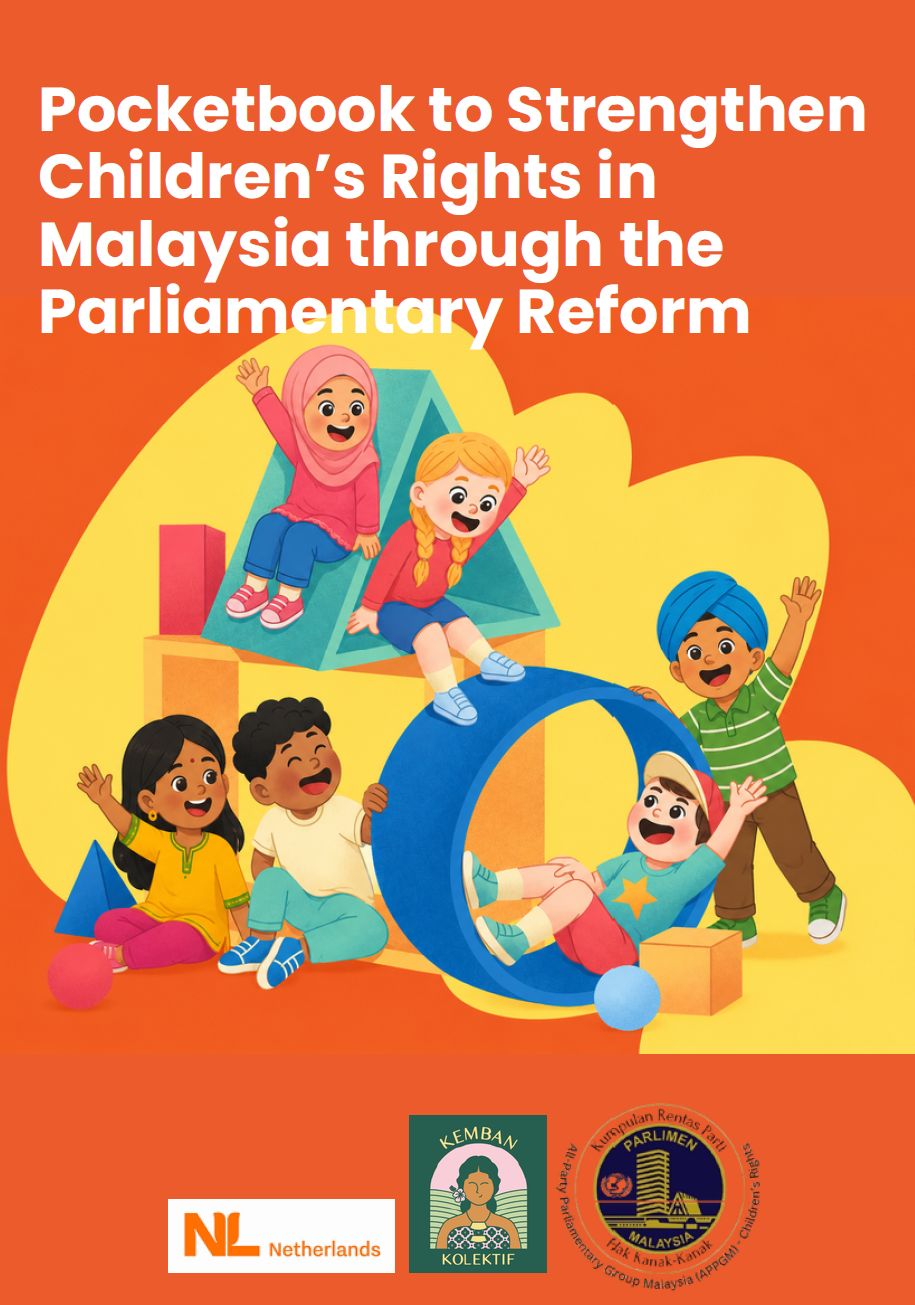
The programme was centred around the Children's Rights Legislative Reform platform, an online resource, developed by Leiden University, that supports States Parties to the CRC in undertaking comprehensive legislative reform to respect, protect and fulfil their obligations under the Convention. Throughout the week, the platform provided a common reference point for discussions on what legislative reform means, why it is necessary, who should be involved and how reform processes can be comprehensive, participatory and child rights-based. The programme also supported the development and launch of the pocketbook Strengthen Children's Rights in Malaysia through the Parliament, translating key insights on legislative reform into an accessible tool for lawmakers and practitioners.
Two days in Parliament
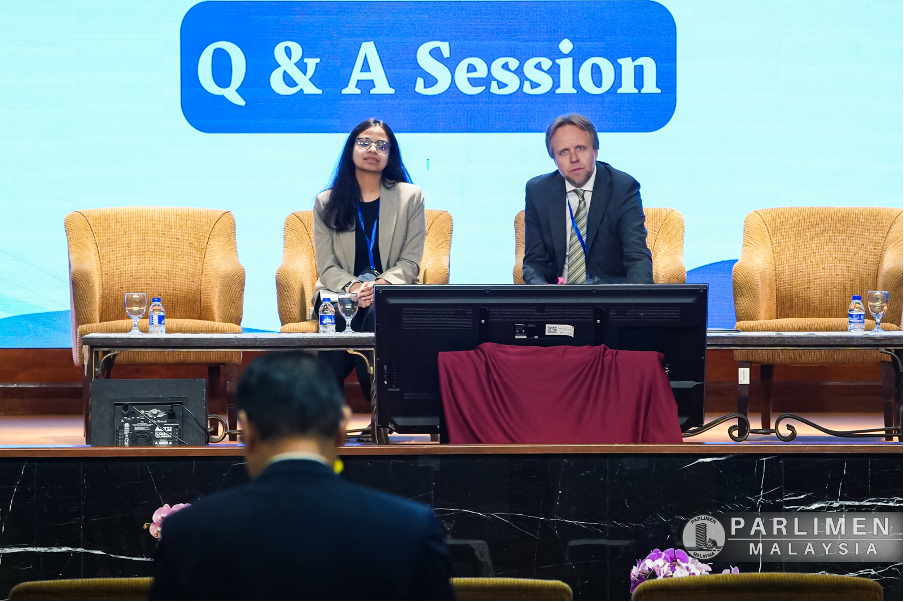
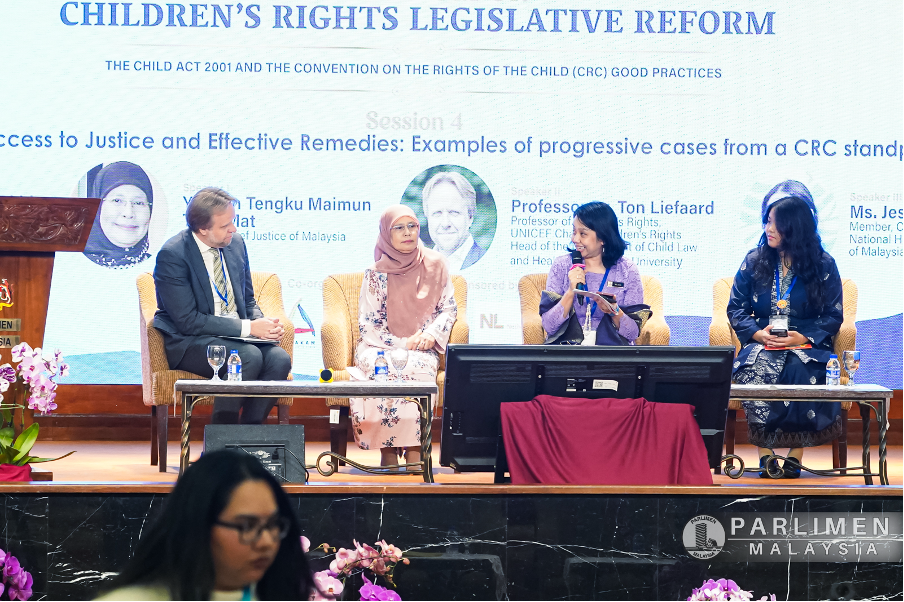
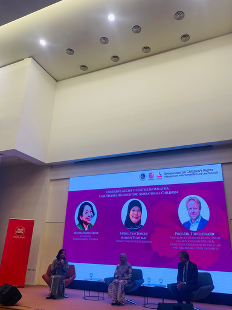
The programme opened in the Parliament of Malaysia with a symposium on the CRC and its relevance for legislative reform. After welcome remarks and a keynote address on initiatives to improve the law on children's rights in Malaysia, the first day introduced participants to the CRC framework and its guiding principles. Dr Mikiko Otani, former chairperson of the UN Committee on the Rights of the Child and Rotating Honorary Chair in Enforcement of Children's Rights 2023/2024, Leiden University, set out the foundations of the Convention and its Optional Protocols. Prof. Dr. Ton Liefaard, UNICEF Chair in Children's Rights and Professor of Children's Rights at Leiden University, and Ms. Rehana Dole, Programme Manager of the UNICEF Chair in Children's Rights, then discussed the key elements of a child rights-based approach to legislative reform. These sessions focused on the recognition of children as rights holders, the universality and indivisibility of rights, and the need for reform processes grounded in CRC principles.
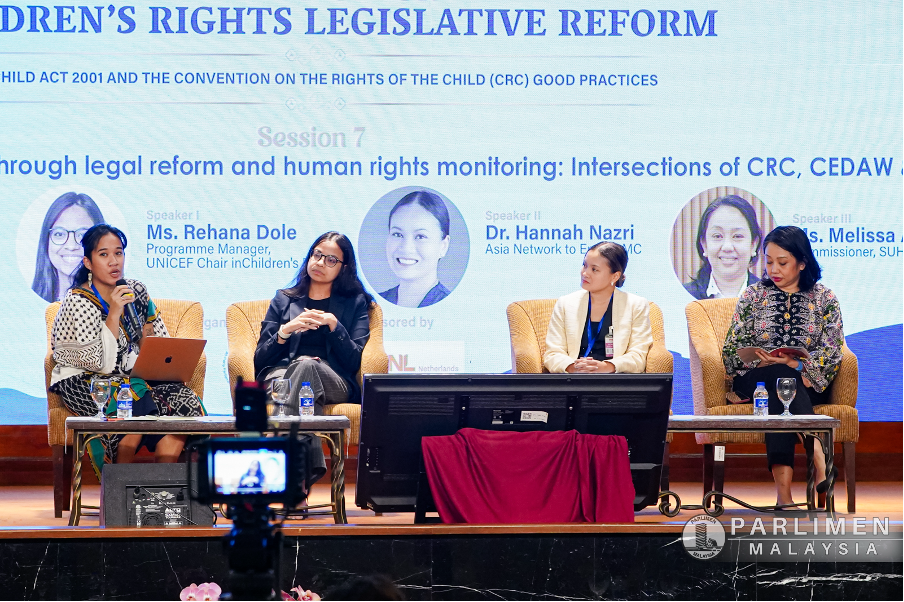
A central theme throughout the week was children's access to justice and effective remedies. On the first day, a panel moderated by Ms. Melissa Akhir, SUHAKAM Commissioner, reflected on the draft General Comment No. 27 of the UN Committee on the Rights of the Child (CRC Committee) and progressive approaches to children's access to justice. The discussion brought together perspectives from Leiden University, the Malaysian judiciary and the Children's Consultative Council of SUHAKAM, Malaysia's National Human Rights Institution with a special mandate on children's rights.
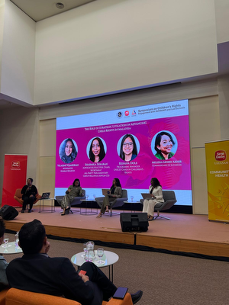
The second day continued in Parliament with a focus on current children's rights trends, Sustainable Development Goal 16 and the role of Members of Parliament, Senators and public institutions in building peaceful, just and inclusive societies for children. Panels explored Parliament's role in implementing children's rights, child-friendly cities, improvements to the Child Act 2001 and other laws, the right to identity for undocumented, migrant and stateless children, alternatives to detention for child refugees, and harmful practices through the combined lens of the CRC, CEDAW and the Universal Periodic Review. Children and young advocates were included as contributors, through child interveners and members of the Children's Consultative Council.
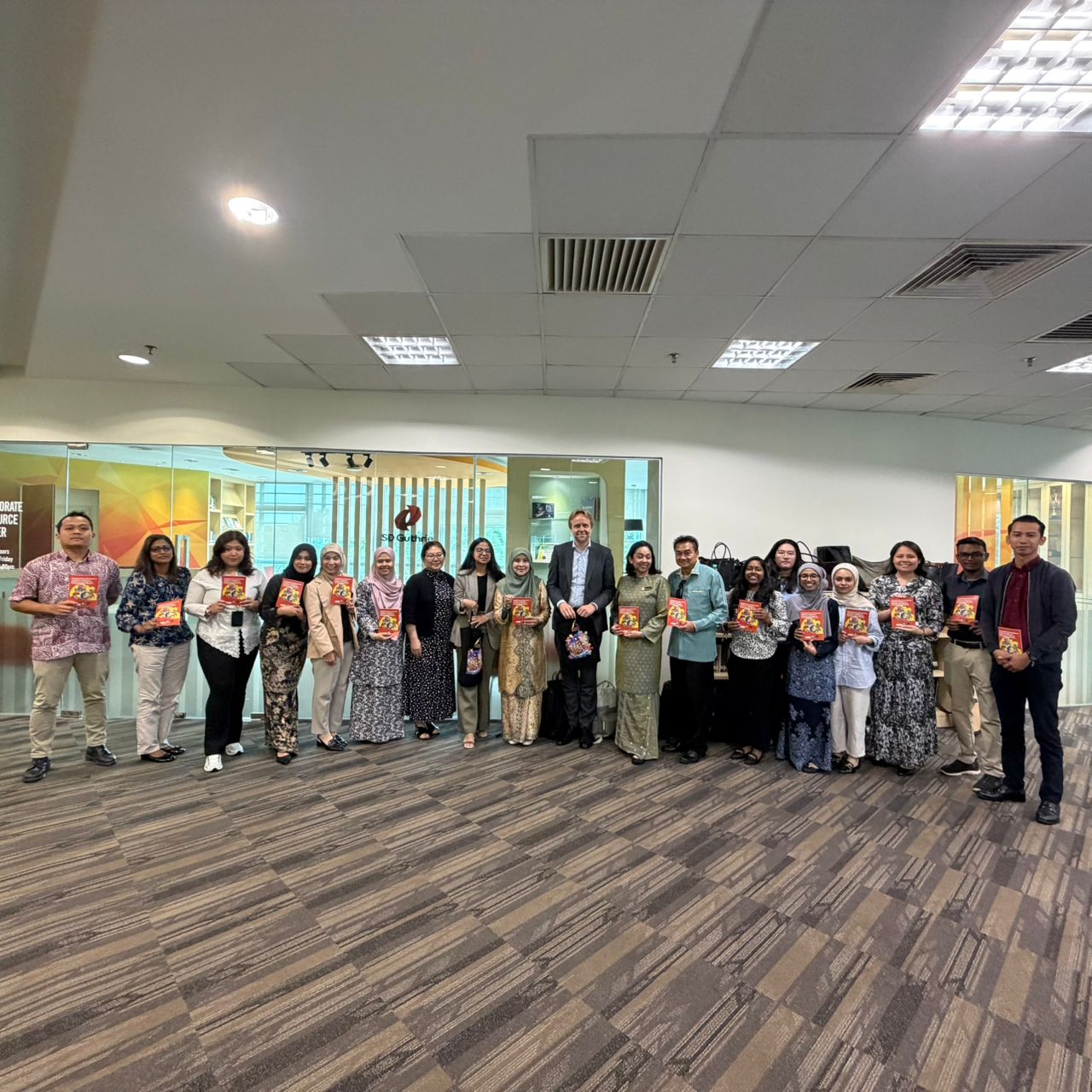
The parliamentary component concluded with the launch of the pocketbook and a Parliament exhibition tour. The launch reflected one of the programme's core objectives: to connect international children's rights standards with accessible guidance for those involved in lawmaking, monitoring, advocacy and implementation in Malaysia.

Children's Rights at the Malaysian Bar Association
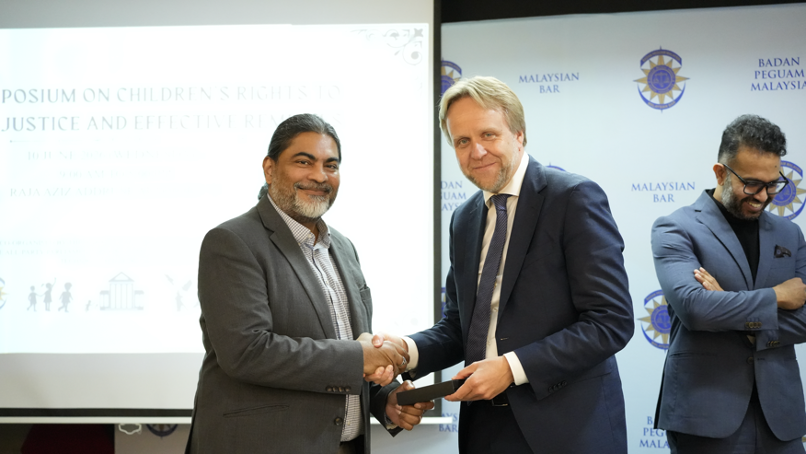
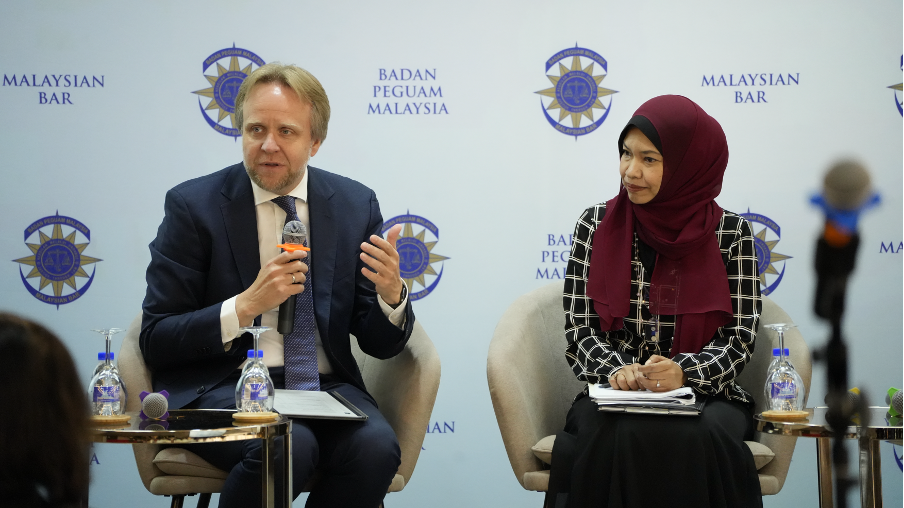
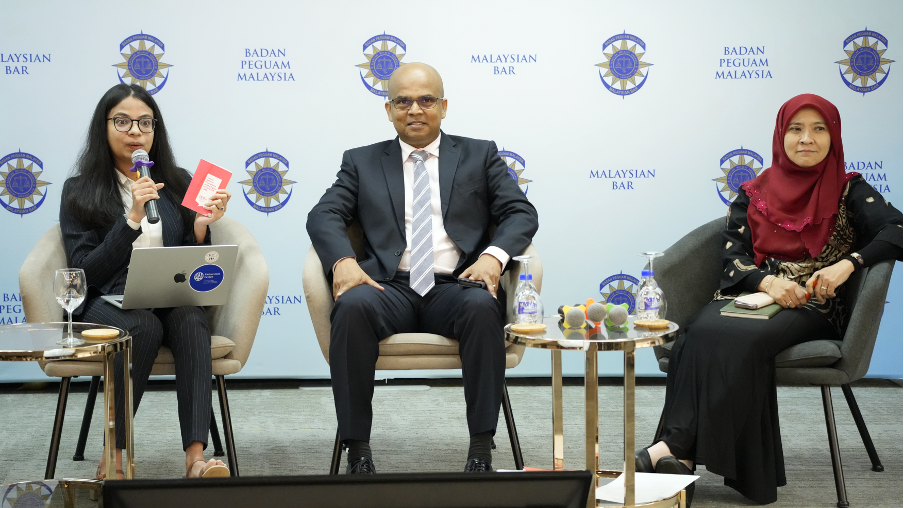
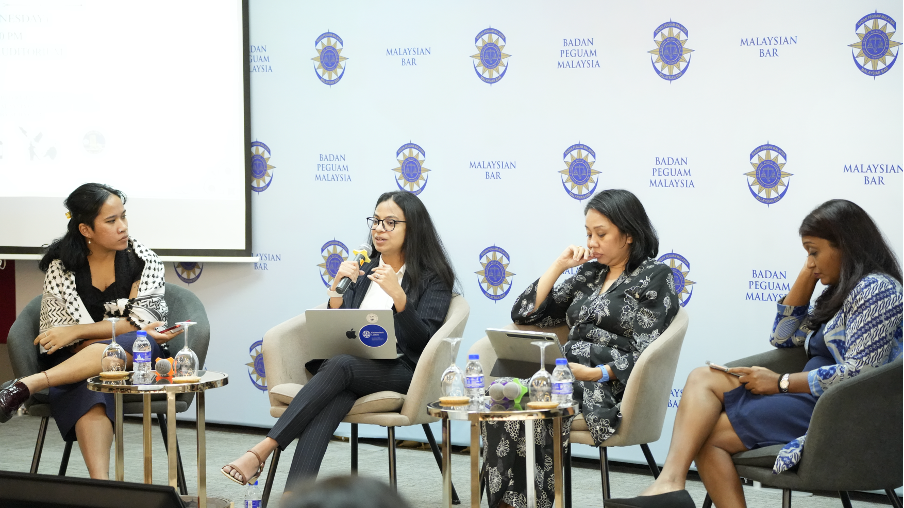
On 10 June, the programme moved to the Raja Aziz Addruse Auditorium at the Malaysian Bar for a legal symposium on children's rights to access to justice and effective remedies. Discussions focused on Malaysia's children's rights landscape, comparisons with other Commonwealth jurisdictions and good practices in the Asia-Pacific region on domesticating the CRC. Sessions examined how courts and lawyers may use CRC principles in legal reasoning, as well as the relationship between child protection, immigration, identity, disability, cities, harmful practices and informal or community-based justice structures . The symposium was concluded by Mr. Anand Raj, President of the Malaysian Bar, who delivered a powerful message on the role of the Bar and civil society in supporting the implementation of the Concluding Observations on Malaysia issued by the UN Committee on the Rights of the Child earlier this year.
Meeting with the National Human Rights Commission and Law Students
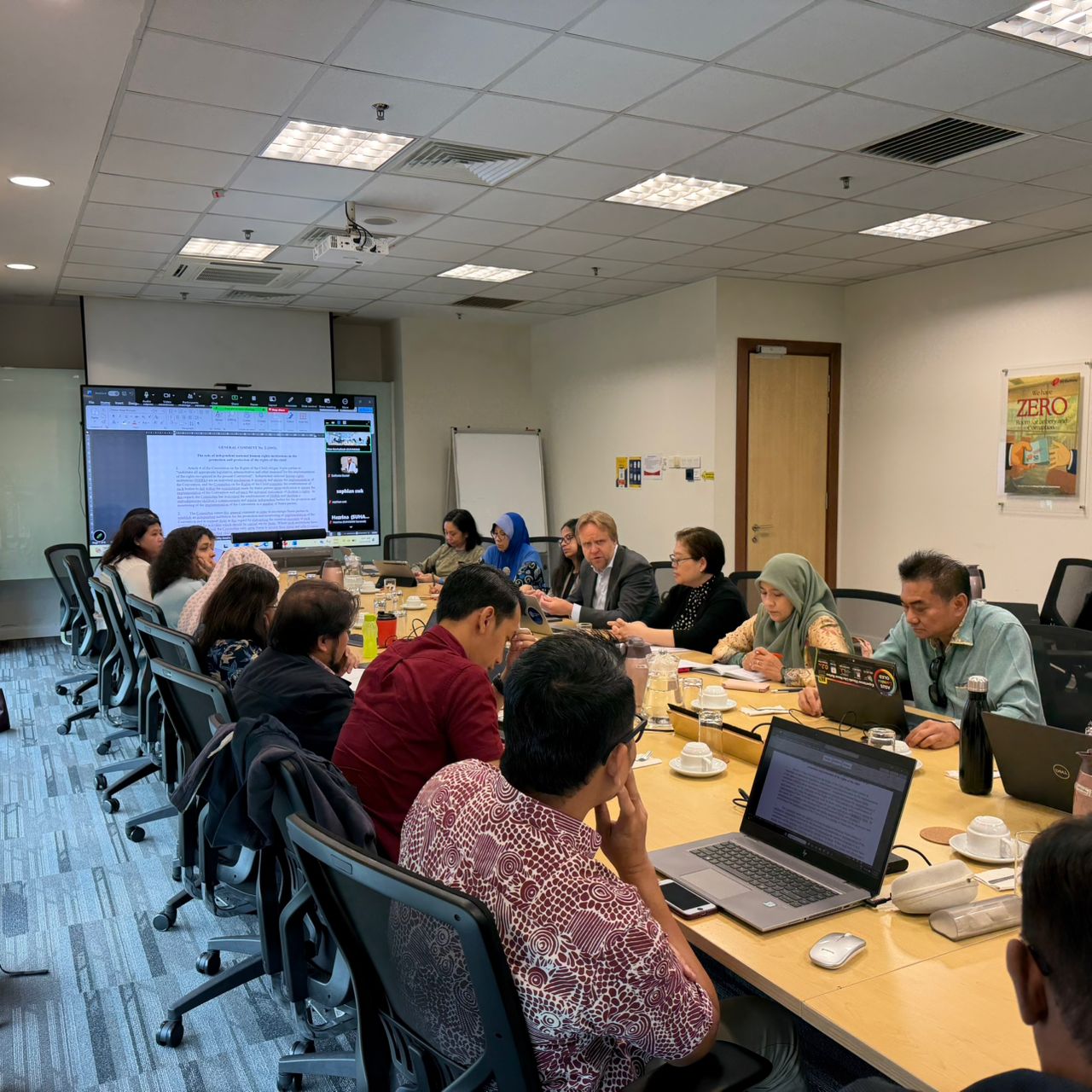
The fourth day, hosted at Yayasan Sime Darby, created more targeted spaces for institutional and academic exchange. In a closed session with SUHAKAM staff, participants discussed the role of national human rights institutions after the CRC Committee's Concluding Observations, updates to the Child Act 2001 and the use of CRC standards in monitoring and advice. Practical sessions introduced the Children's Rights Legislative Reform platform and related handbook materials, with attention to how these resources can support analysis, advocacy and training.
Later that day, a roundtable with Malaysian law schools, including UKM, UM, UiTM, UNISZA and BAC, considered the role of law in protecting and upholding children's rights in Malaysia. The roundtable connected judges, academics, law students, legal practitioners and child rights advocates. It explored access to justice through case studies and strategic litigation, and provided opportunities for law students to engage in the dialogue around children's rights. This also provided the opportunity to share Leiden Law School's key resources on children's rights, including the Leiden Children's Rights Observatory.

Civil Society and Youth Engagement
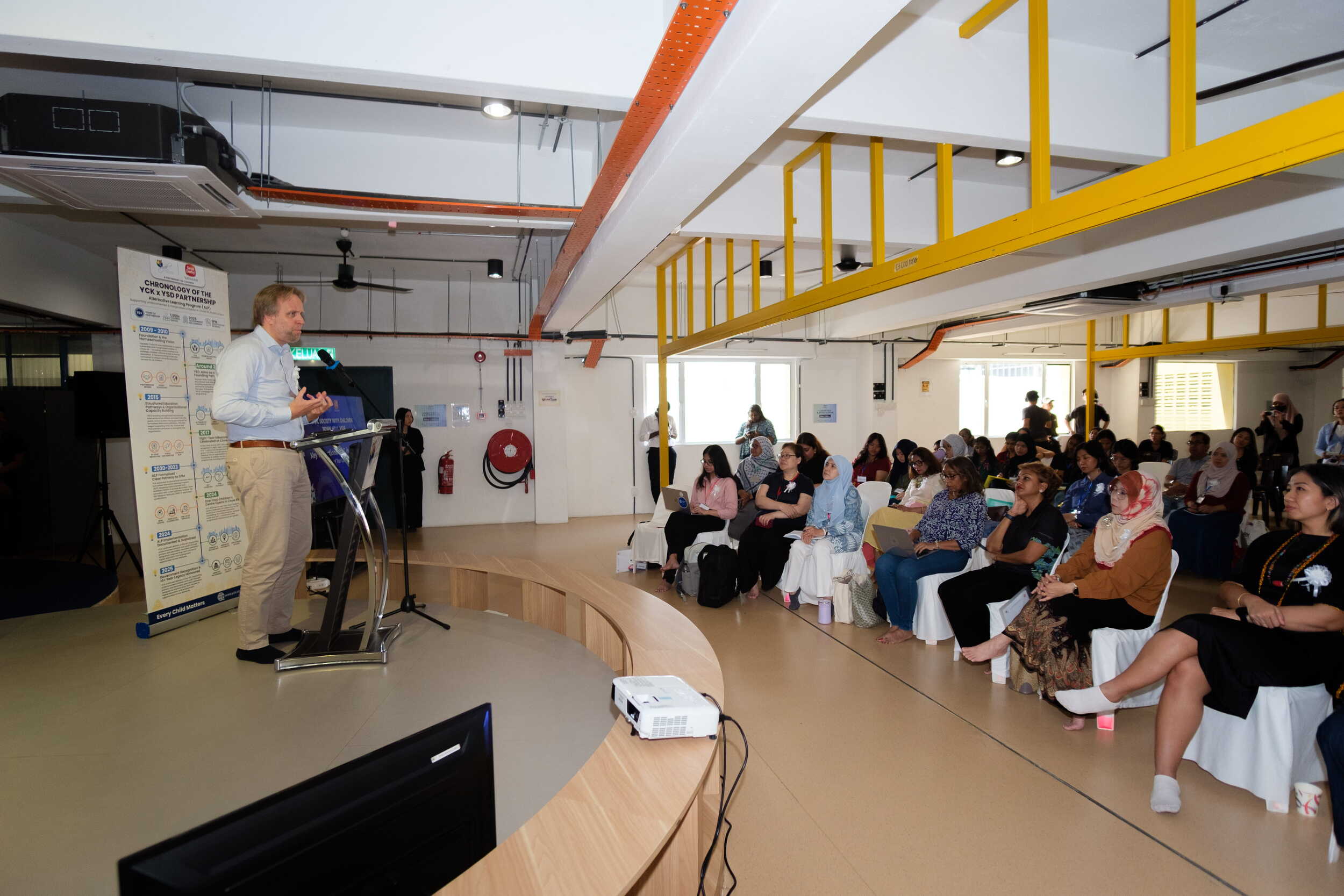
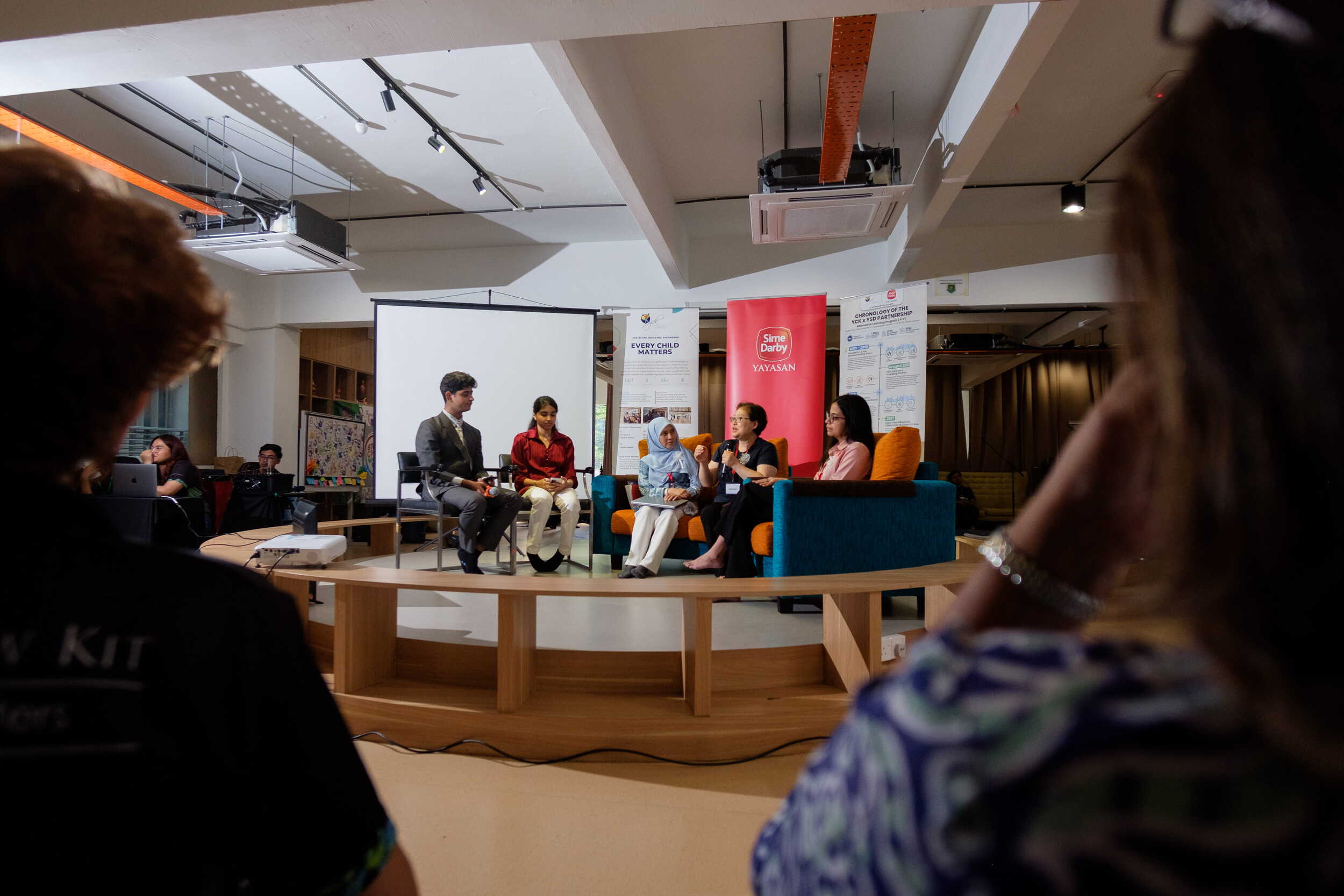
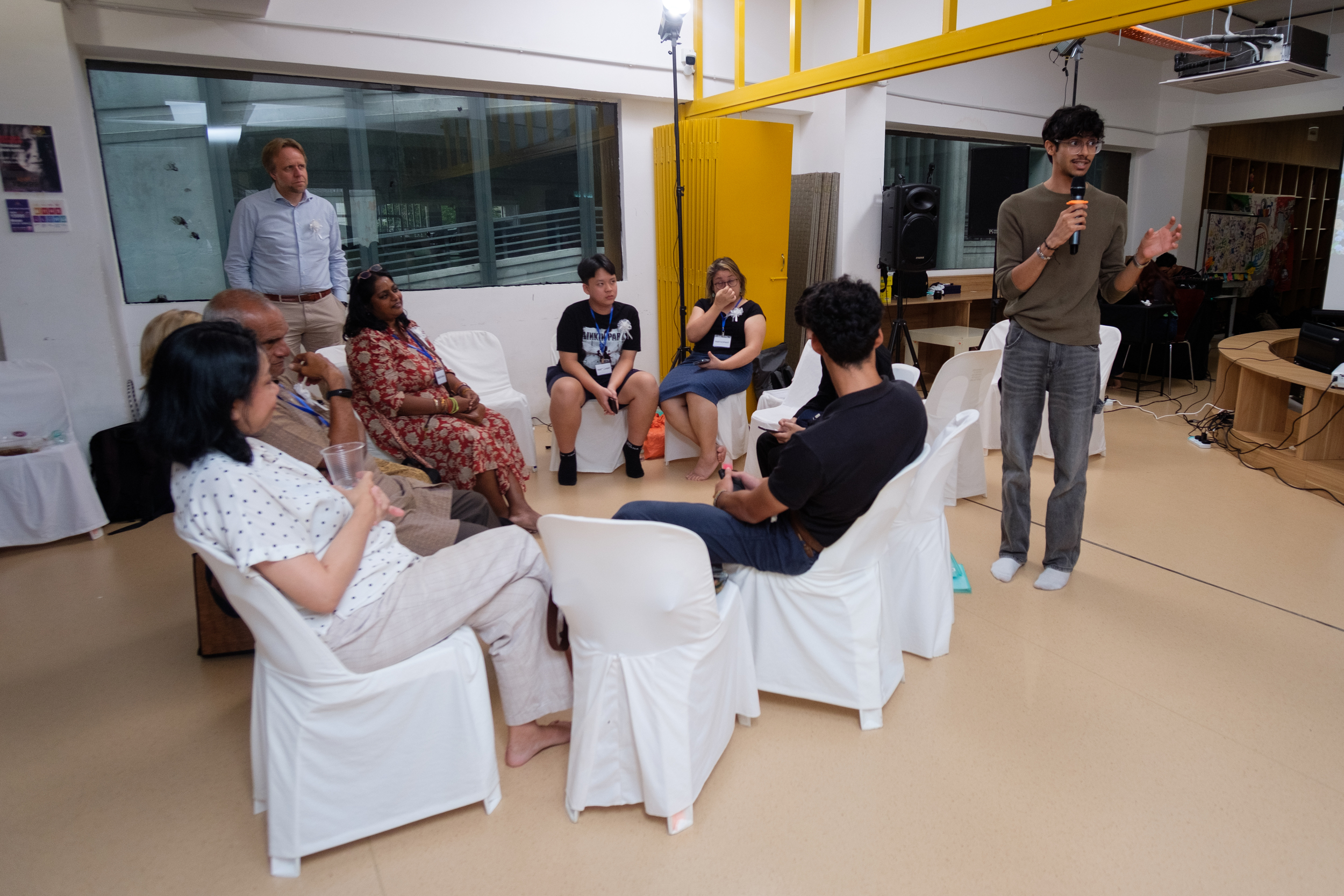
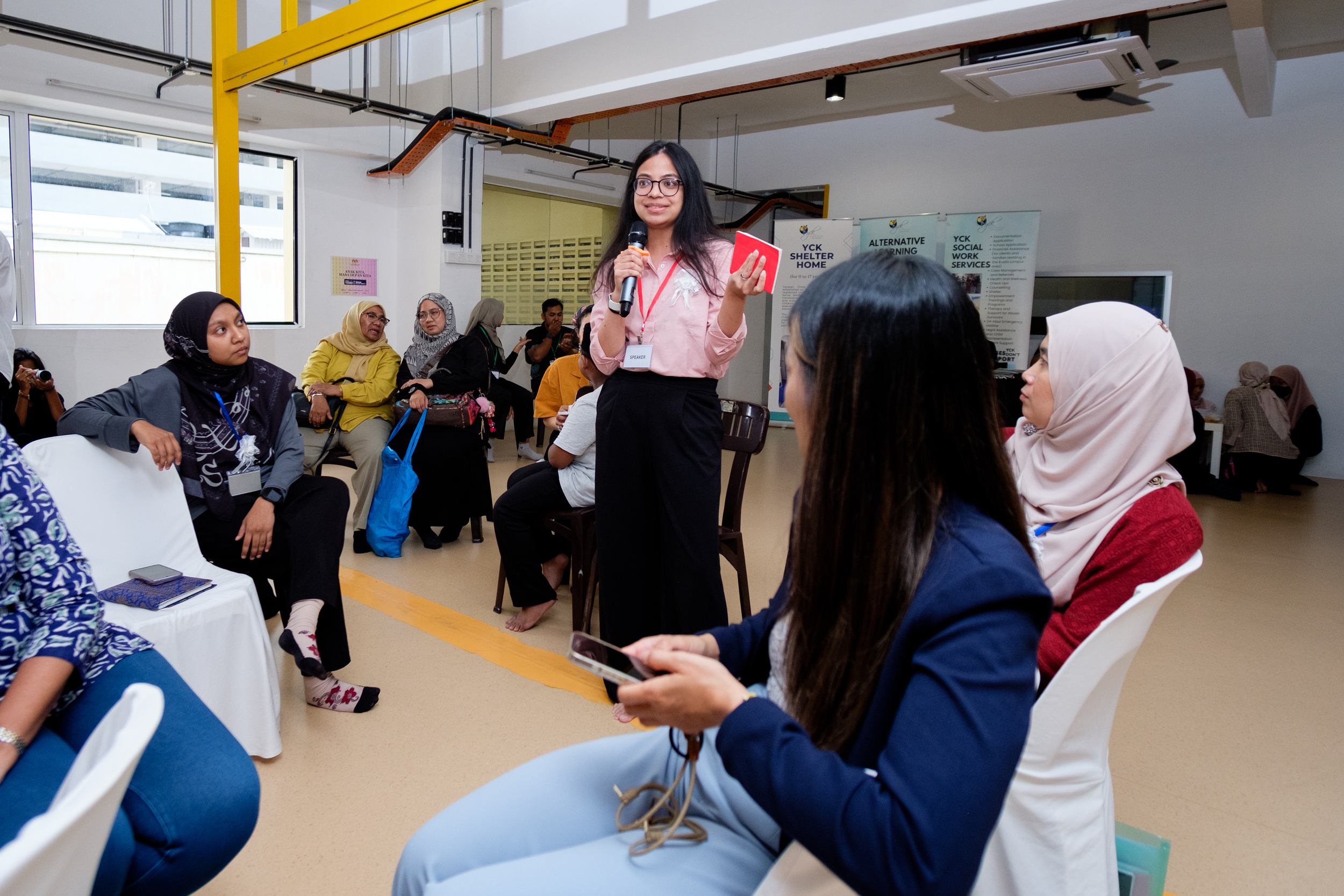
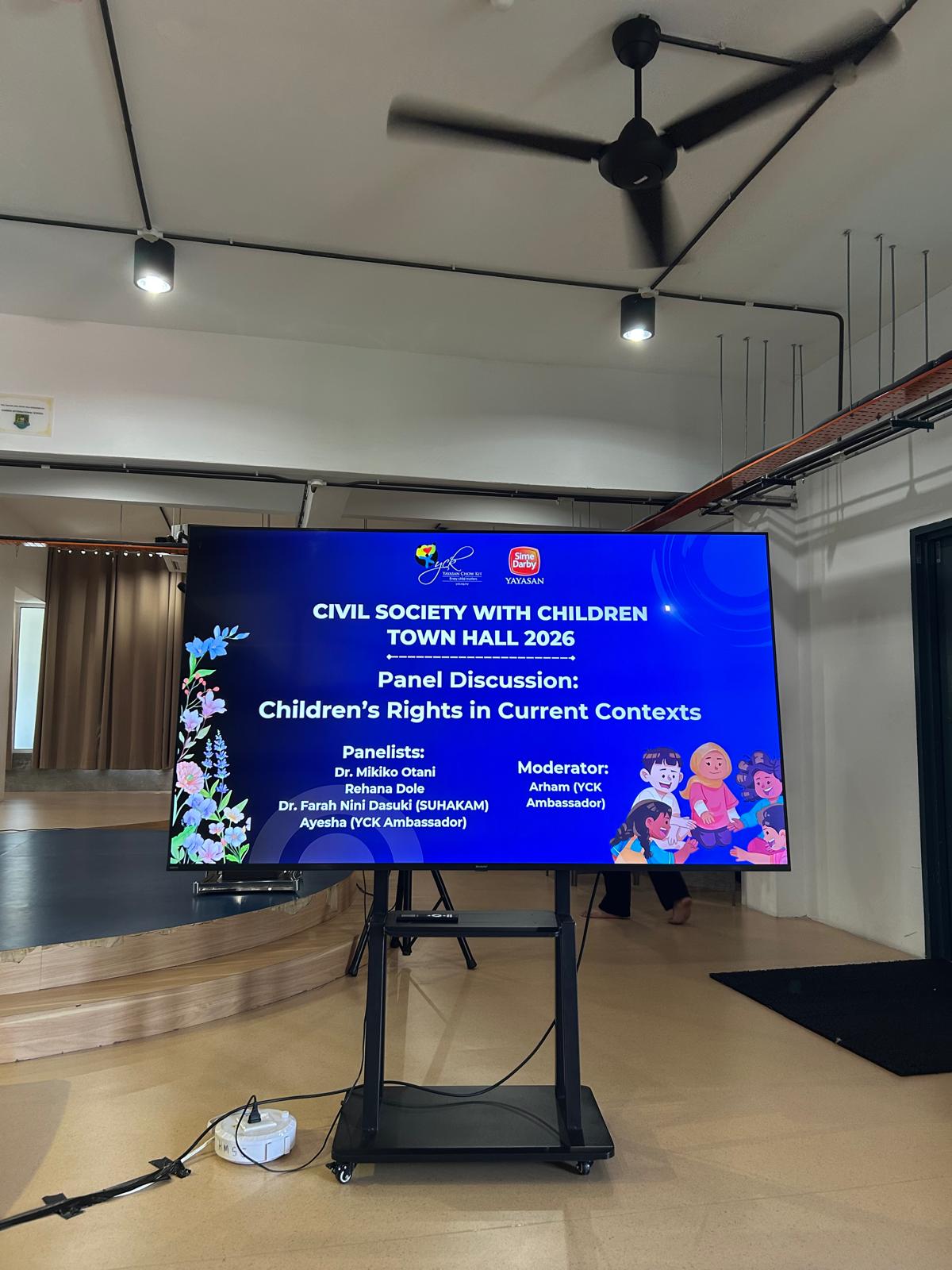
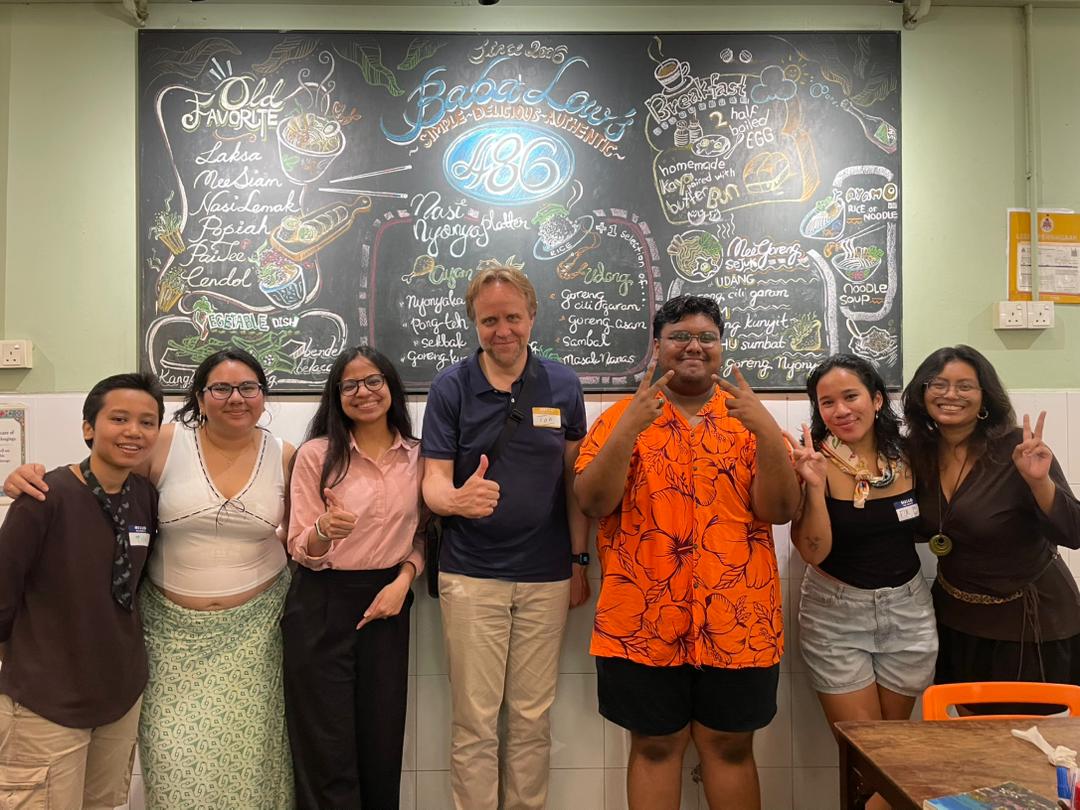
The final day shifted the conversation towards civil society and youth engagement. At Yayasan Chow Kit, civil society organisations reflected on the CRC in practice, including statelessness, barriers to education, online harms, child participation and accountability. A town hall dialogue and case clinics provided space for organisations and advocates to raise concrete concerns and receive reflections from experts. The day ended with an informal youth dialogue with young child rights advocates from Monsters Among Us, where participants discussed activism, sexuality education, digital rights and child participation.
Alumni of Leiden Law School's Children's Rights Programme
Across the five days, the programme showed how international children's rights education can travel beyond the classroom and contribute to national conversations on law reform, institutional accountability and child-centred justice. It also highlighted the global reach of Leiden University's Advanced Master in International Children's Rights. Ms. Melissa Akhir, children's rights commissioner of SUHAKAM and Ms. Rehana Dole, programme manager of the UNICEF Chair in Children's Rights are both alumni of the programme, and their contributions in Malaysia demonstrated how Leiden graduates continue to shape children's rights practice in different professional settings. The Advanced Master equips lawyers and child rights professionals with specialist knowledge of international, regional and national legal frameworks, while encouraging them to apply that knowledge to real-world challenges affecting children.
By placing the Children's Rights Legislative Reform platform at the centre of the week, and by supporting the development of a pocketbook tailored to the Malaysian context, the programme underlined a shared commitment: children's rights must be understood not only as international standards, but as practical tools for legislative reform, access to justice, participation and accountability at the domestic level.