This story was originally posted by Greenpeace MENA for World Environment Day.
I write this as a Lebanese woman who has spent years working with communities across the Middle East and North Africa region (MENA), where an environmental crisis is never only environmental. In a region already burdened by economic collapse, conflict, and instability, climate change is not simply another challenge waiting its turn. It is the multiplier of every problem we already have.
That is why the climate conversation in MENA does not always sound like the one held in global summits. It is not only about temperature curves, emissions targets, or distant deadlines. It manifests in four very human questions, asked across the region:
How do we afford food?
How do we secure water?
How do we keep the lights on?
How do we protect our children from extreme heat?
These are not separate from climate change. These are climate questions. And they are questions of dignity, justice, and survival.
How climate change impacts food security and water scarcity in MENA
Take food. Our region depends heavily on imports to secure its food needs. This means that droughts, failed harvests, disrupted trade routes, and rising energy costs can quickly become more expensive meals and harder choices for families. What begins as a climate or economic shock elsewhere can arrive very quickly at our kitchen tables.
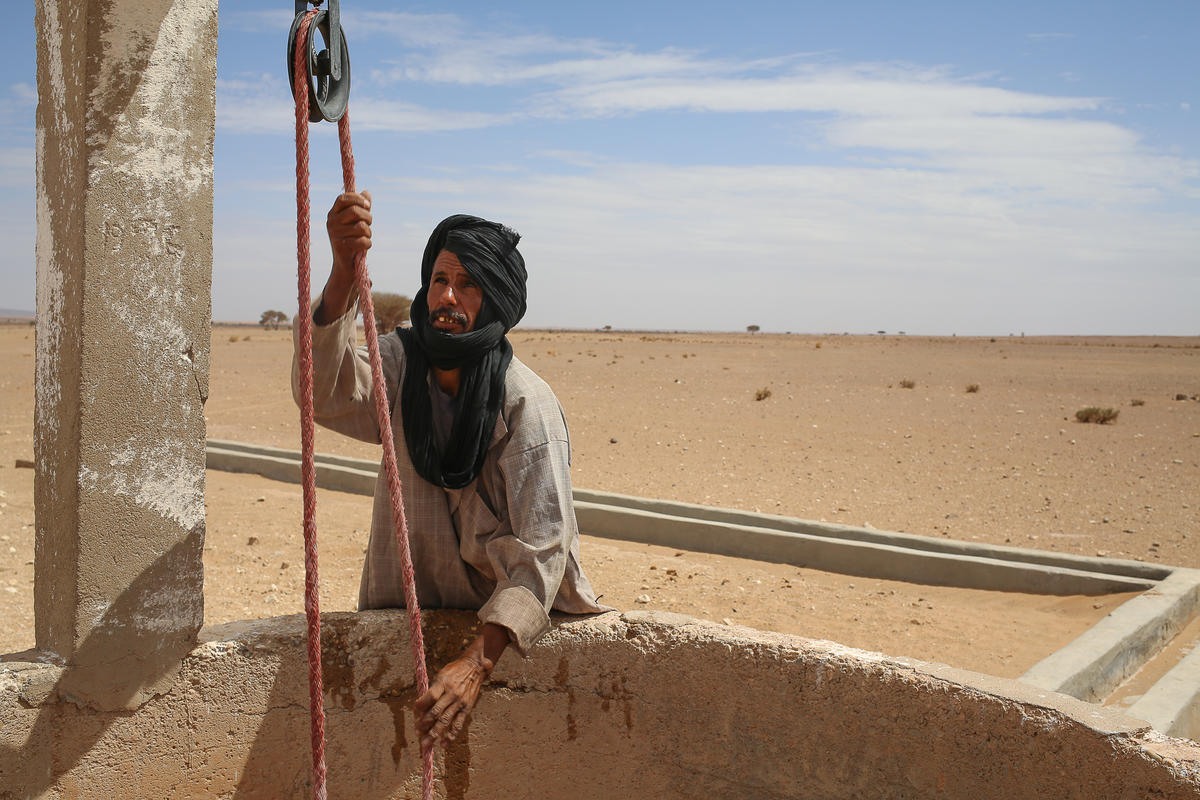
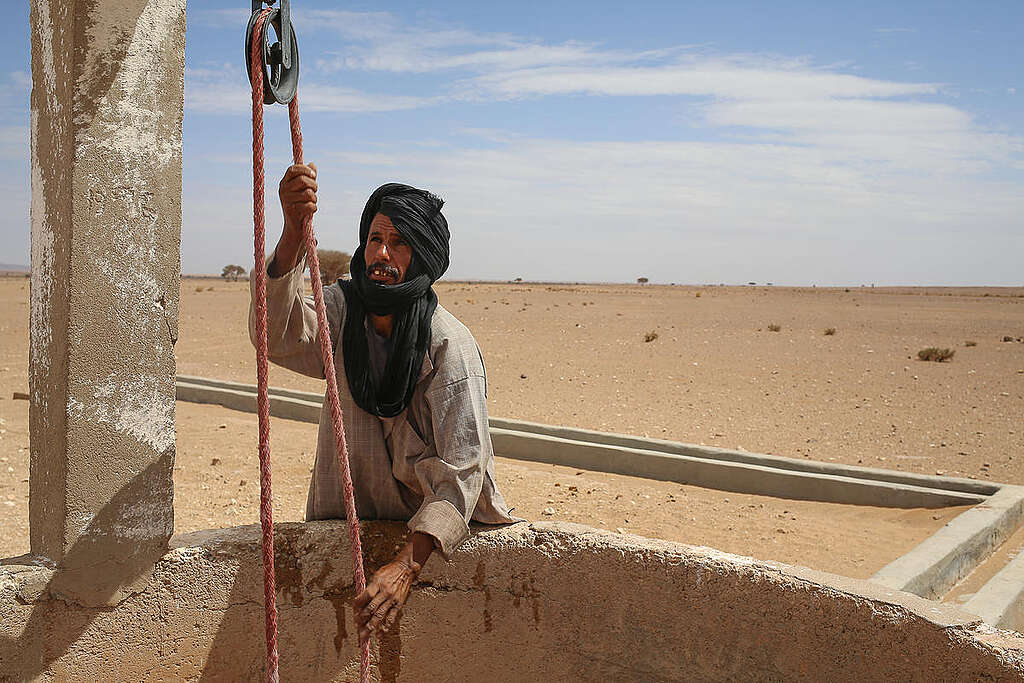
Water tells an even clearer story. The Middle East and North Africa is already the most water-scarce region in the world, and climate change is making this reality harsher for communities, farmers, and ecosystems. But our story is not only one of scarcity. It is also one of resilience. For generations, people across our region learned how to live with limited water, protect resources, and use every drop wisely.
As we look ahead, resilience will not come only from new technology. It will also come from valuing the knowledge, practices, and respect for nature that helped our communities survive for centuries.
Energy insecurity and the need for a just transition
Then comes the question: How do we keep the lights on?
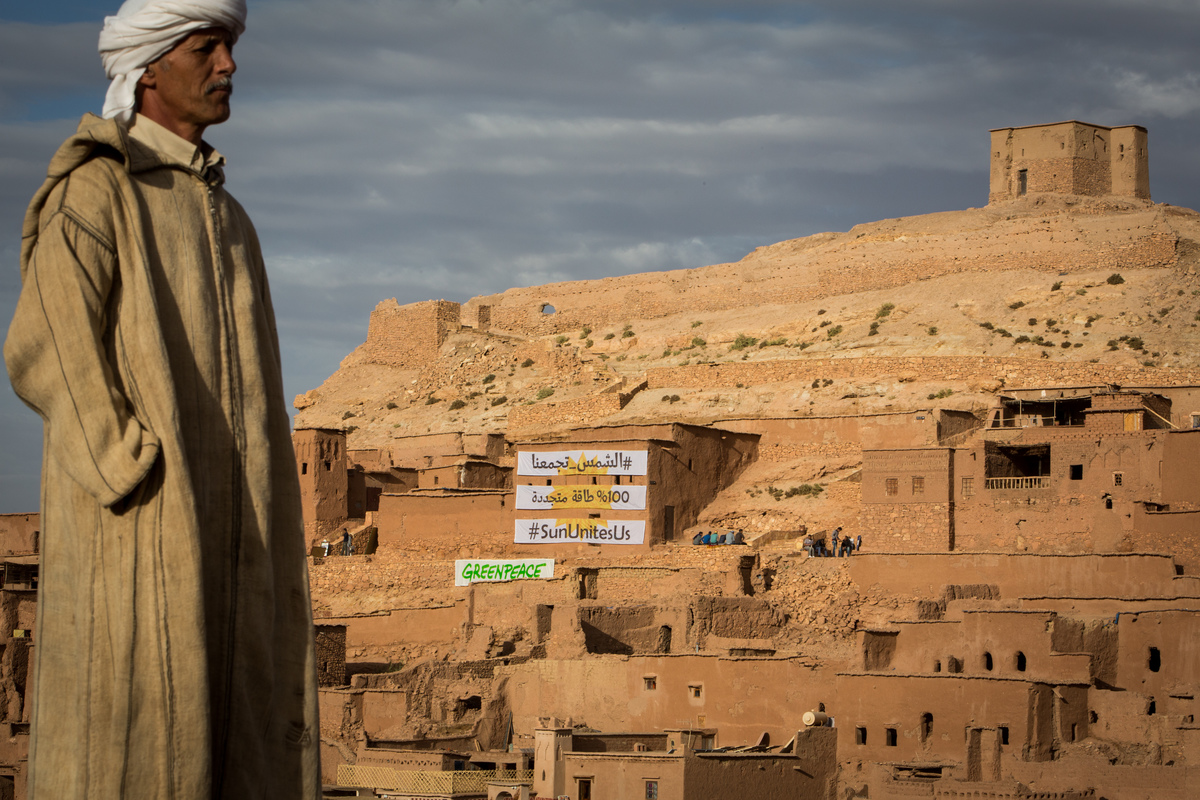
The Middle East and North Africa region is home to immense energy resources. Yet for millions of people, reliable and affordable electricity is still not guaranteed. From households relying on generators to families struggling with rising bills, energy insecurity remains a daily reality.
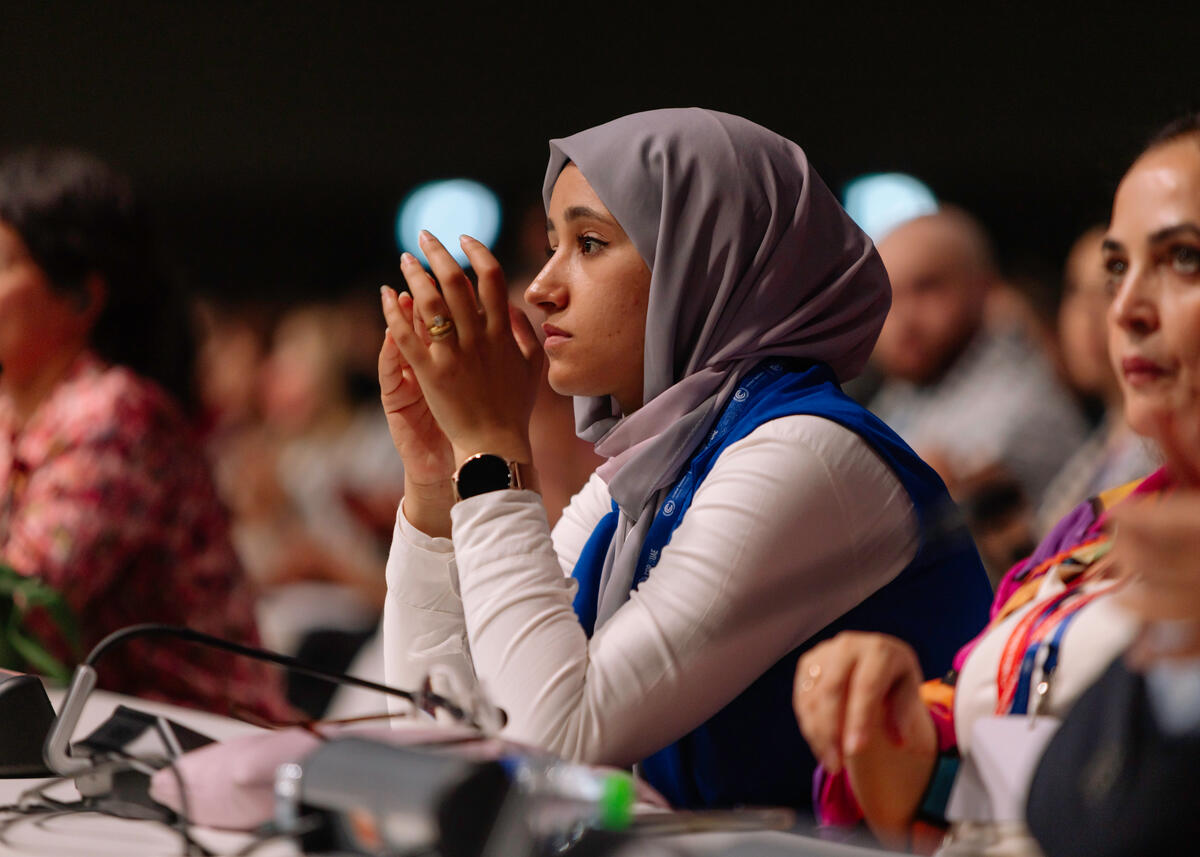
Energy security is not measured only by how much energy we produce. It is measured by whether people can power their homes, run their businesses, keep food fresh, study after sunset, and live with dignity.
This is why a just transition matters. Not only because it reduces emissions, but because it can deliver cleaner, more affordable, and more reliable energy, while creating jobs and strengthening communities.
Extreme heat in MENA
And then there is heat. The MENA region is warming at nearly twice the global average, with temperatures surpassing 50°C in some areas. But heat is not just a number on a thermometer. It is the construction worker spending long hours outdoors in dangerous conditions. It is an elderly person struggling through another night without cooling. It is a child trying to learn in a classroom that has become too hot to concentrate.
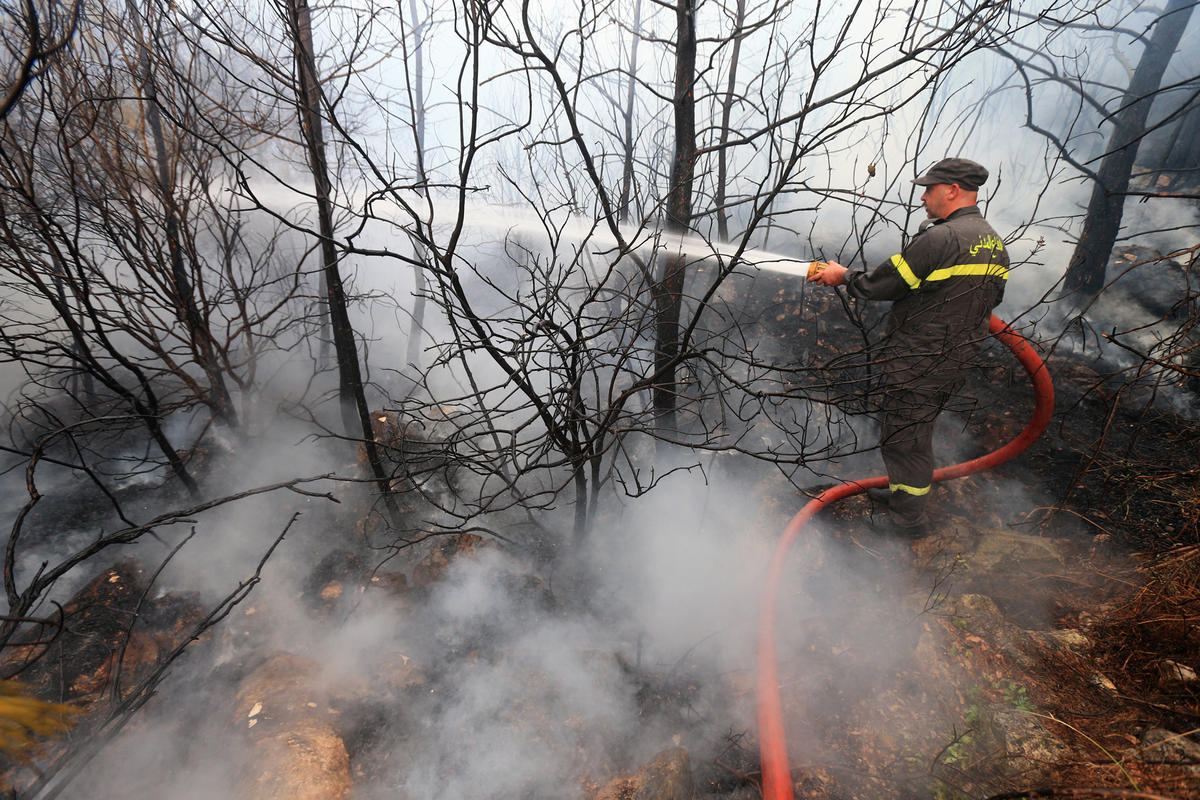
When we talk about climate action, this is what we are really talking about: protecting people, their health, their livelihoods, and their ability to build a future where they live.
This is also where climate justice becomes real. The people asking how to afford food, secure water, keep the lights on, and protect their children from extreme heat are often the people with the fewest resources to cope. They are carrying the heaviest impacts, while having the least influence over the decisions that shape their future.
Climate justice means recognising and addressing this imbalance. It means ensuring that communities are not left to face the crisis alone. It means giving people a meaningful voice in shaping the policies, investments, and solutions that will define the future of our region.
Renewable energy and a just transition
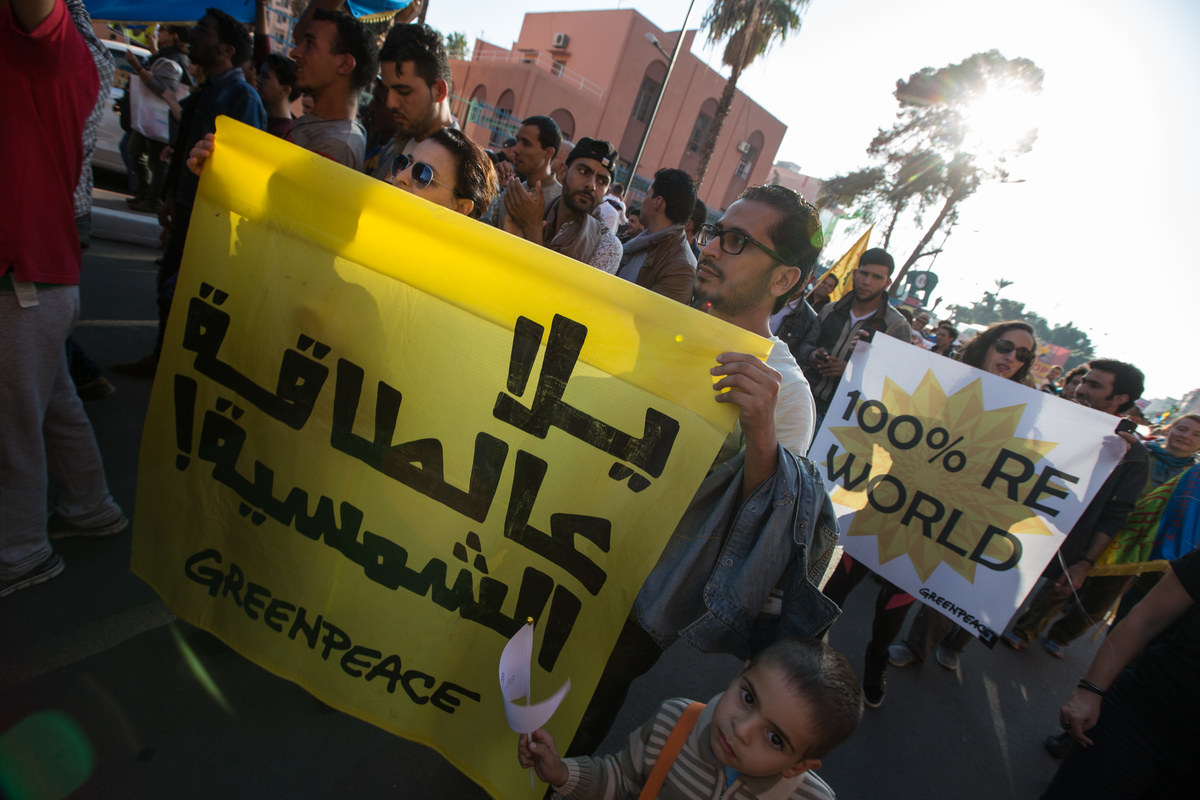
A just transition cannot be designed for people. It must be built with them.
For MENA, this means asking harder questions about what kind of transition we are building. Renewable energy is essential, but it must serve people first. Solar and wind should not become another model where resources are extracted, benefits are concentrated elsewhere, and communities continue to bear the costs and remain vulnerable.
A real just transition must answer people's daily needs. It means expanding decentralised renewable energy, and community solutions that keep the lights on where people live. It means investing in water resilience, protecting ecosystems, and supporting farmers to grow food in ways adapted to a hotter and drier future. It means cooling our cities through trees, shaded streets, better planning, and buildings designed for people, not only for consumption.
Solutions are here. Time for action.
The MENA region is too often described only as vulnerable. The challenges are real, but that story is incomplete. Across our region, communities are already building answers. Young people are demanding accountability. Farmers are reviving resilient practices. Civil society is organising around justice and hope. Cities and communities are showing that another future is possible.
The question is not whether solutions exist. The question is whether decision makers have the political leadership and courage to scale them with the urgency this moment demands.
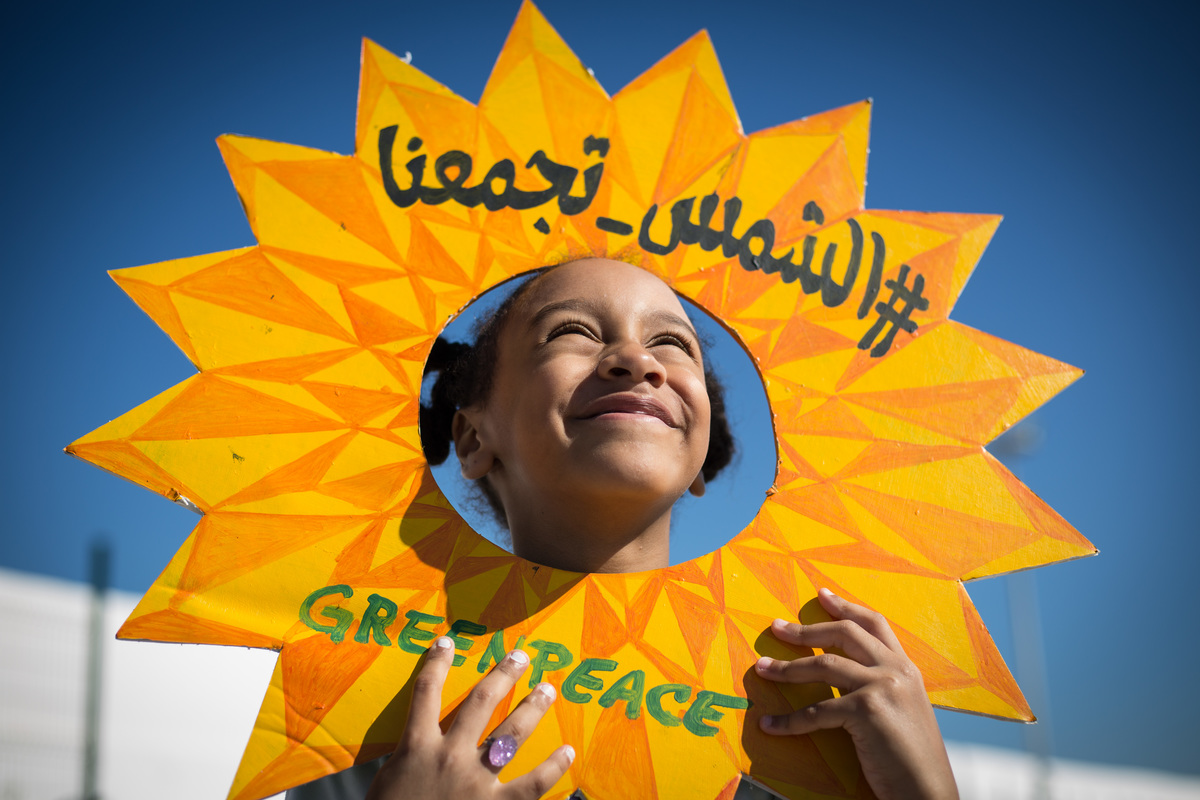
The planet has been sending clear warning signals for years. In MENA, these are already emergency sirens.
The response we send back must be equally clear: climate action must protect people's dignity, strengthen resilience, and deliver justice in daily life. It must help families afford food, secure water, access clean and reliable energy, and protect their children from a hotter future.
We do not have to imagine that future from far away. We have to choose it, build it, and make sure it serves the people who have the most to lose and the most to teach.
That is the response worth sending back.