
Interacting with animals can make people feel calmer and less lonely and anxious. A new study from the University of California, Davis, shows that animals play an active role in shaping these interactions and their outcomes.
Spending just three minutes with miniature horses and donkeys improved the mood of adolescents. Teens who picked up on the equines' body language cues showed bigger reductions in loneliness and sadness - even if those cues involved the animal walking away. The study's results, published in Scientific Reports, provide a new framework for improving animal-assisted interventions for both people and animals.
"Our work raises this beautiful possibility that making the interaction better for the animal may be part of what makes it better for us," said Rebecca Calisi Rodríguez, associate professor of neurobiology, physiology and behavior and director of the Green Care Lab at UC Davis. "This has the potential to change how we think about designing animal-assisted interventions, from hospitals and schools to therapeutic riding centers and beyond."
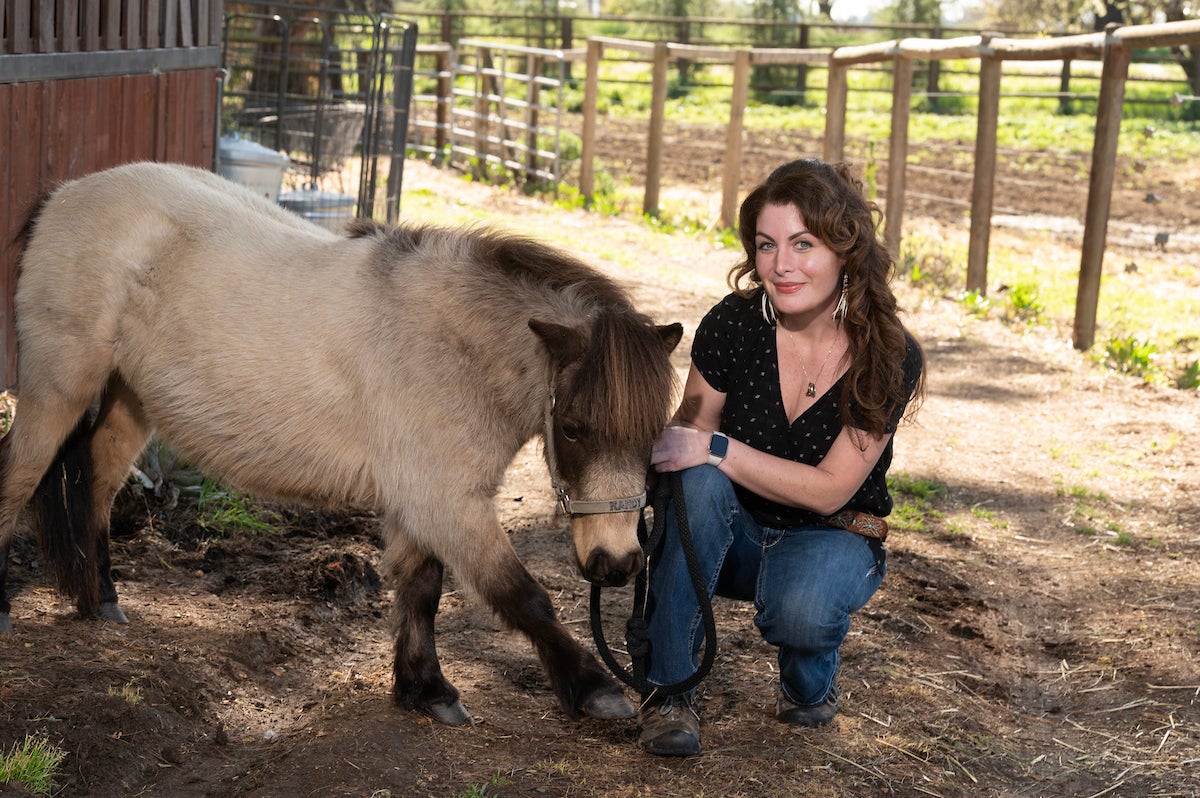
Investigating both sides of human-animal interactions
Most previous studies of animal-assisted interventions have zeroed in on their benefits to humans while treating the animals as passive participants.
"You can't stand in a pasture watching a child and a donkey interact and pretend only one of them is having an experience," said Calisi Rodríguez. "They're watching each other, they're responding to each other, they're both making choices. That realization became the heart of my work and the heart of this paper."
Co-author Claire Short, who designed the study, began working with Calisi Rodríguez as an undergraduate student and now manages the Green Care Lab.
"I noticed that the mini equines in our lab would react differently depending on how I pet them, and that it made me feel good to make them feel good," Short said. "Then when I was reading papers on animal-assisted interventions, I saw that the results weren't very consistent. I wondered if that was partly because different people interacted with the animals in different ways."
To understand how reciprocity shapes human-animal interactions, the researchers analyzed interactions between 61 teenagers and a small herd of rescued miniature horses and donkeys. Each adolescent spent three minutes with the herd, which consisted of two miniature horses named Olivia and Randy and two miniature donkeys named Mary and Memphis.
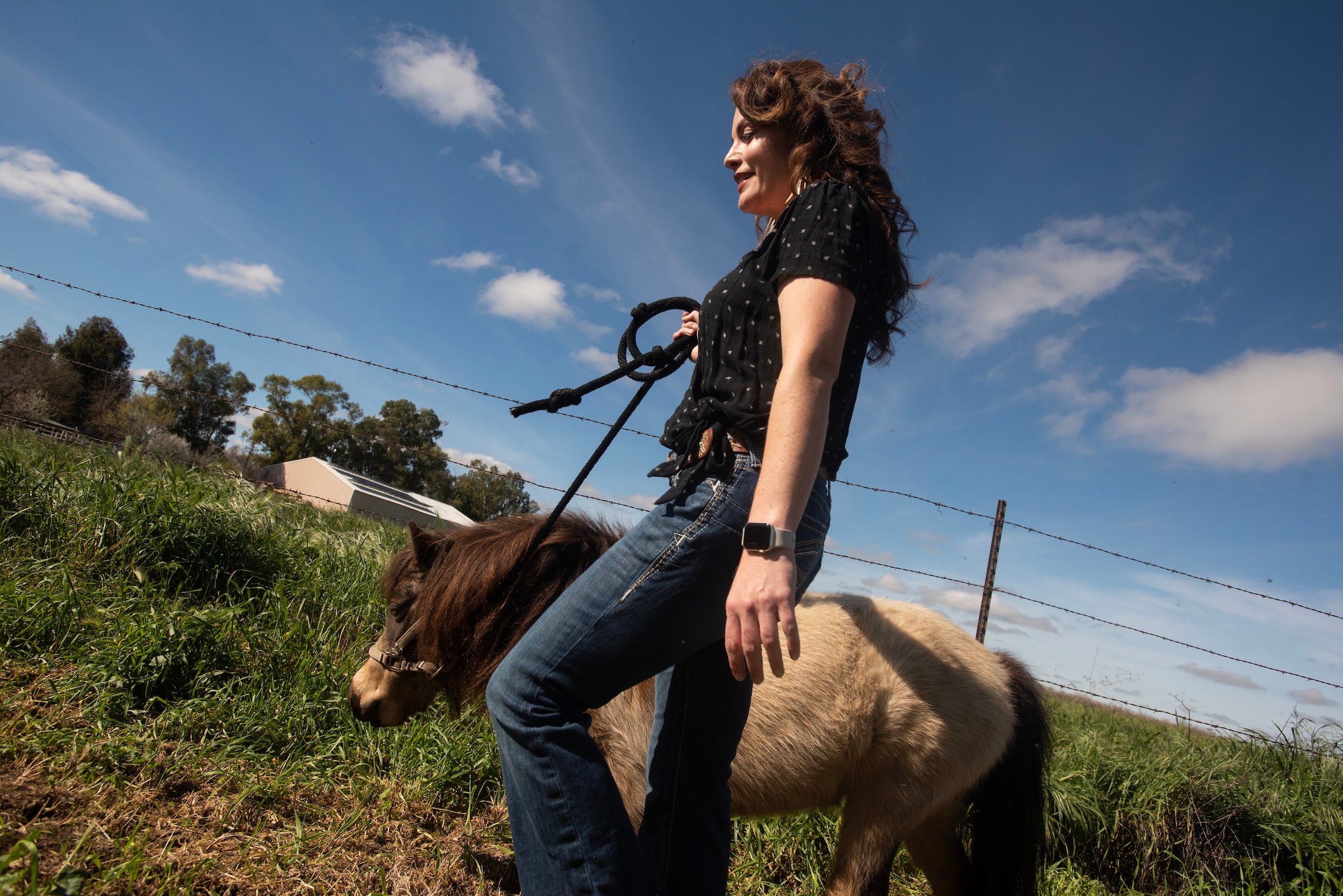
Half of the adolescents were instructed to gently stroke the animals' backs, whereas the other half were told to vigorously scratch their necks in a way that mimics how equines groom each other. The teens were also taught to recognize two equine behavioral cues: lip-wriggling, which indicates pleasure or enjoyment, and walking away, which indicates that the animal wants some space.
Equines unanimously vote: Neck scratches beat petting

Based on the adolescent's reports, the horses and donkeys wriggled their lips during 75% of neck-scratching interactions, versus a 48% lip-wriggling rate for petting interactions. Conversely, the equines walked away during 89% of petting interactions versus 42% of neck-scratching interactions.
All of the teens reported increased calmness and lower levels of nervousness, sadness, loneliness and excitement, regardless of whether they were assigned to pet or scratch the animals. However, participants who observed lip-wriggling showed bigger decreases in loneliness, and - surprisingly - adolescents who observed equines walking away from them showed bigger reductions in sadness.
"I love that this unexpected result challenges the assumption that more animal engagement is always better," said Calisi Rodríguez. "A meaningful interaction may not require an animal to engage with us continuously. Seeing an animal exercise choice - being free to approach you, stay with you, or walk away - may make the interaction feel more authentic."
A framework for improving animal-assisted interventions
"This really isn't a story about the best way to pet a donkey, as cute as that would be. It's a story about reciprocity," said Calisi Rodríguez. "If animals are going to become increasingly important partners in supporting human well-being, then understanding their well-being isn't just an ethical responsibility. Our work suggests it may actually be part of understanding how these interventions work."
This really isn't a story about the best way to pet a donkey, as cute as that would be. It's a story about reciprocity." - Rebecca Calisi Rodríguez
By revealing that human interaction style influences animal behavior, which in turn influences human emotions, these findings could help design better animal-assisted interventions.
"Ultimately, what we want to know is whether we can predict the conditions under which an interaction is beneficial for both species," said Calisi Rodríguez. "I would love to see animal-assisted programs become places where people don't just receive care from animals but learn how to give care back."
The study was funded by academic enrichment funds from UC Davis.


