5 min read
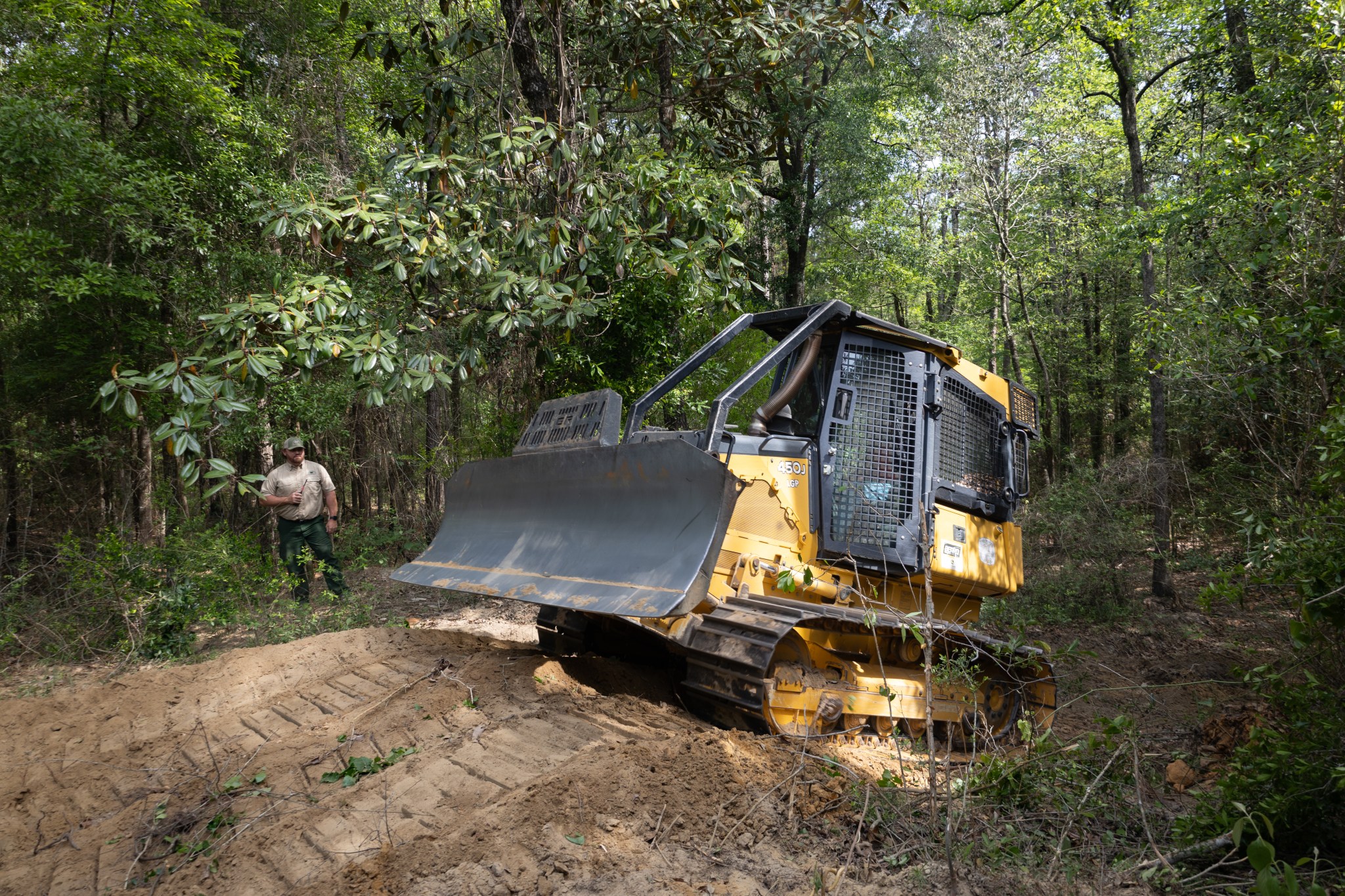
With peak wildfire season approaching, scientists with NASA's FireSense project have created low-cost thermal sensors to install on fire bulldozers that will alert firefighters when heat from a nearby fire reaches a dangerous level. The sensors also provide researchers with important data on what happens beneath the canopy during a fire.
In April, researchers and firefighters gathered in southern Alabama to discuss challenges and advances in firefighting, and to demonstrate the new technology. The event was part of a collaboration between NASA and the Alabama Forestry Commission (AFC). The goal: to make firefighting safer and gather critical data on fire behavior.
"As we try to develop technologies that allow us to understand and respond to wildfires with our partners, ground observations are vital to provide context for what we are seeing from space," said Ian Brosnan, program manager for wildland fires at NASA's Ames Research Center in California's Silicon Valley.
Dozers on the fire line
Firefighters nationwide use bulldozers, colloquially referred to as fire dozers, on the front line of a fire to clear vegetation and to create fire breaks, which slow or stop a wildfire's spread. This often puts dozers and their operators within feet of the flames.
The AFC is switching its fleet to a model of bulldozer that has an enclosed cab called an "envirocab." While envirocabs are safer for operators than open cabs, the enclosure makes it more difficult to gauge when radiant heat from the fire has reached a dangerous temperature.
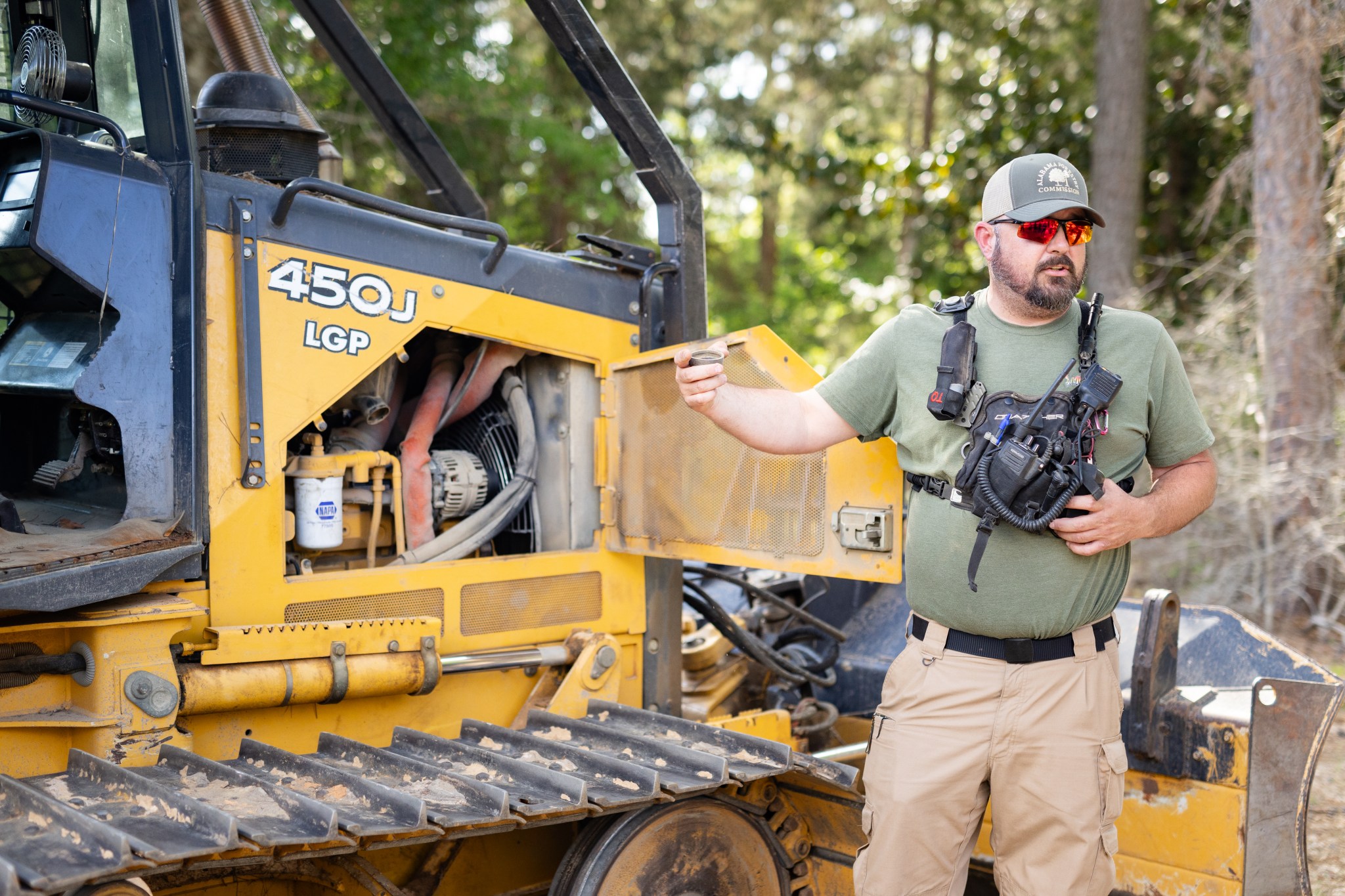
"It's not so much about what's going to burn the tractor up as what's going to shut the tractor down," said Ethan Barrett, AFC fire analyst. The electrical wiring can short or even melt from high heat, stranding the operator in a dangerous environment.
That's where NASA comes in. According to Brosnan, developing thermal sensors for the AFC was an opportunity to create technology that has immediate impact on firefighter safety, while also providing scientists with valuable information about what happens on the ground during a fire.