
The resurgence in popularity of traditional analogue media in today's hyper-digital world is the focus of a new book published today.
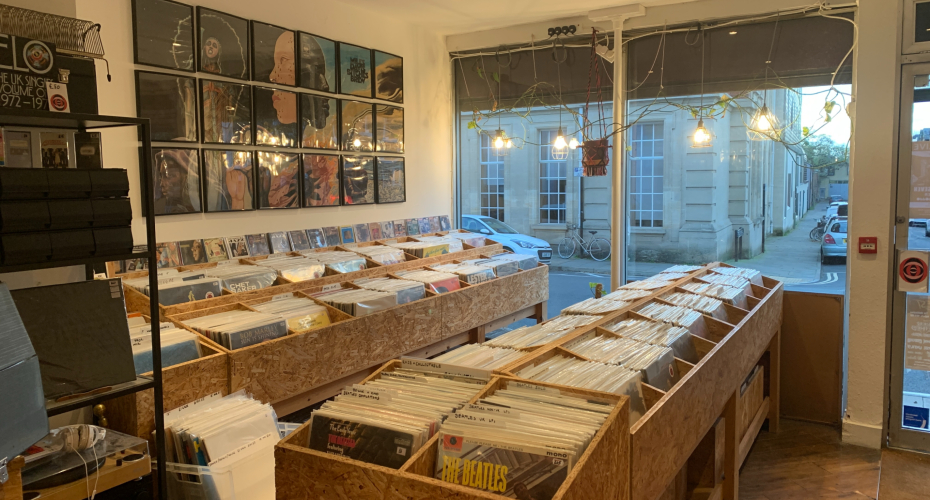
Booming interest in board games, surging sales figures of vinyl and audio cassettes, and the spread of smartphone-free social spaces are all analysed in The Analogue Idyll: Disconnection, Detox, and Departure from the Digital World.
Written and edited by Dr A.R.E. Taylor at the University of Exeter, The Analogue Idyll argues that a new digital divide is emerging - between those who can afford to disconnect from the digital world to protect their health and privacy, and those who cannot.
Against a backdrop of public debate over the addictions, distractions, and harms of digital culture, the book, says Dr Taylor, 'raises critical questions about the meaning of technology in our lives and societies'.
"The analogue idyll is a compelling narrative that has emerged within our culture, one that recalls a time before the internet, social media and smartphones," says Dr Taylor, a Senior Lecturer in Communications in Exeter's Department of Communications, Drama and Film. "It is rooted in a longing for a pre-internet era that is retrospectively imagined today as a time when people lived slower, simpler, and healthier lives that were more authentic, natural, and meaningful by virtue of being offline. The book explores whether this nostalgic retreat into the analogue past is truly the solution to the problems of our digital present."
The inspiration for the book was ironically prompted by the extensive research Dr Taylor has been conducting on data centres around the world. These facilities house the gargantuan servers powering contemporary cloud-based digital infrastructure. And it was during interviews with data centre workers that themes began to emerge - both critical of digital cultures and positive towards more secure and durable analogue media.

"Far from being 'big tech evangelists', many of the workers I spoke to expressed unease at how dependent our society is upon the internet," said Dr Taylor. "Unlike most of us, they see the internet from 'behind the screen' and are very aware of how fragile and failure-prone it is. Analogue media, on the other hand, is celebrated for its durability. It does not require you to set up a data profile - a profile that might be hacked or stolen - and it cannot be rendered obsolete by the manufacturer when they decide no longer to support that model.
"I would often hear data centre workers saying they prefer 'good old-fashioned' pen and paper or complaining about cars today being fragile 'computers on wheels'. It was this critique of digital technologies and internet infrastructure that first brought my attention to the analogue as an increasingly valuable repository of meaning in an overwhelmingly digital culture."
Dr Taylor brought together internationally renowned scholars from the social sciences, arts and humanities, and they wrote the book, with each chapter focusing on a different aspect of the 'analogue idyll'. They include the rise of WiFi-free cafes that aim to rekindle pre-digital socialising; influencers and companies who take/promote regular digital detoxes; celebrities who refuse to use social media; the manufacturing supply chain of vinyl records; smartphone meditation apps that promote digital wellbeing; and the growth of long-distance walking holidays.
Dr Taylor says he hopes the book, published today by Bristol University Press, will contribute to ongoing public and political debates around the impact of social media and the internet on health and wellbeing. And it also poses new questions around equity and fairness.
"The digital divide has hitherto been framed around those who have access to the internet and those who do not," he adds. "Now we can see a new divide emerge - between those who can afford to step away and into an analogue idyll, and those who cannot opt out, whether due to work demands or economic constraints.


