
Each year, more than 6,000 Swedes are diagnosed with melanoma. Melanoma is a form of skin cancer that, if detected late, can be fatal. Not all melanomas behave in the same way. A new doctoral thesis from Karolinska Institutet investigates why some patients have poorer outcomes than others and whether certain markers in tumor tissue can help us predict who is at risk.
We asked Sofi Vikström , doctoral student at the Department of Oncology-Pathology , to tell us more about her thesis.
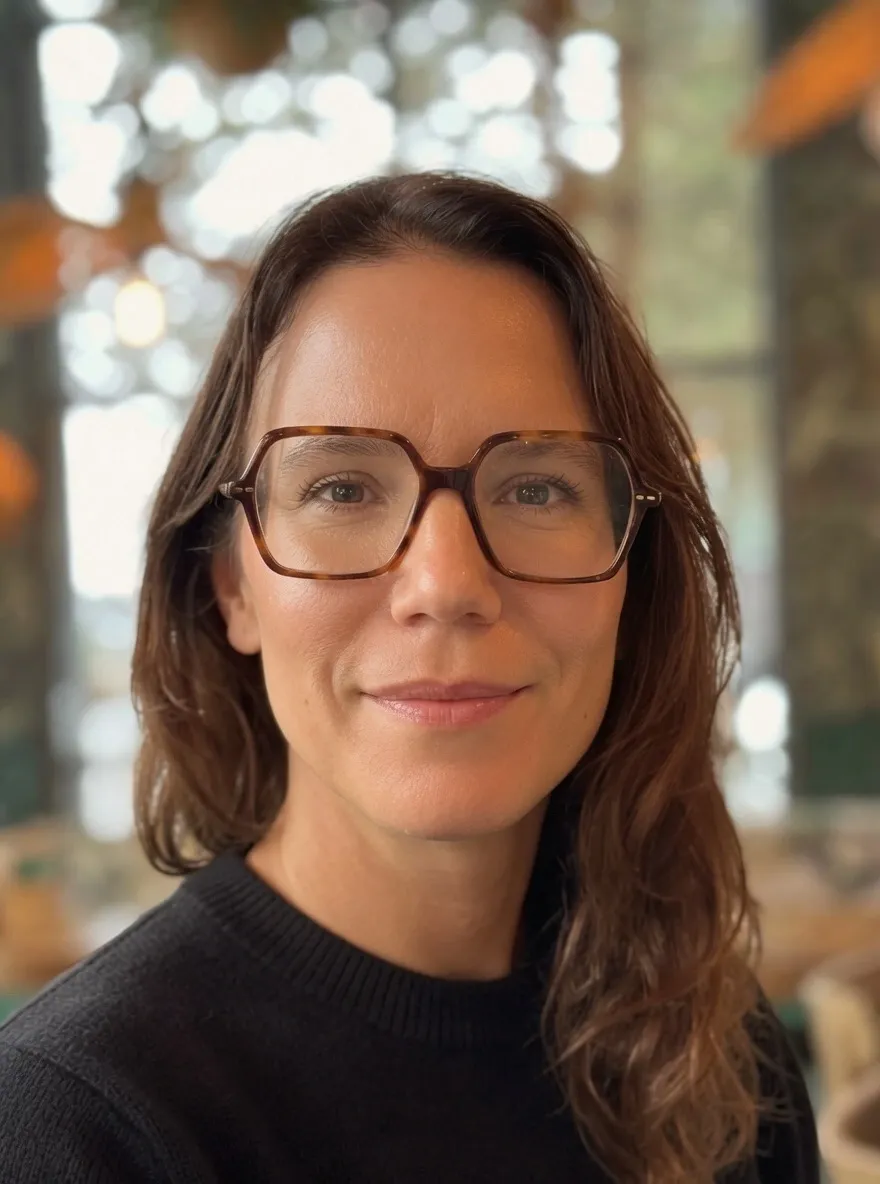
"In my thesis, I have examined survival among people with cutaneous melanoma, both over time and compared with people without the disease. I used a measure that shows how many life years are lost due to the disease. I also investigated whether the level of a specific protein (SAMHD1) in the tumor is associated with how long patients survive."
What are the most important findings?
"We found that survival improved during the period 2011-2020 compared with earlier years (1990-2010). We also showed that people with stage II and III melanoma lose life years compared with the general population. In addition, we observed that patients whose tumors had high levels of the protein SAMHD1 were more likely to live longer than those with low or no levels, particularly when the melanoma had spread to the brain."
How can this knowledge help improve people's health?
"The improved survival in recent years may be due to new treatments, but also to better early detection of the disease. By showing how many life years are actually lost, it can become clearer why preventive efforts and treatments are important. In the future, the protein SAMHD1 could help doctors identify which patients are at greatest risk and therefore need closer follow-up or different treatments. Overall, the thesis provides a clearer picture of how the disease develops and what influences survival."
What are your future ambitions?
"I want to continue working at the interface between clinical pathology and translational research. In the short term, I want to learn more about how melanoma works, for example how the immune system responds to tumors, in relation to SAMHD1. In the long term, I hope to contribute to developing new ways to predict disease progression and improve treatment, especially for patients with advanced melanoma that has spread to the brain."
Doctoral thesis
" Clinical and epidemiological perspectives of prognosis in cutaneous melanoma "
Dissertation
Friday 12 June at 9:00, Cancer Center Karolinska (CCK) Lecture Hall R8:00, Visionsgatan 56 .


