
Along the Gulf Coast, disaster season has a way of blurring into daily life. Hurricanes, floods and heat waves hit with a regularity that can make them feel inevitable. But a Rice University humanities course set for spring 2026 argues that the biggest mistake we make is assuming disasters are natural at all.
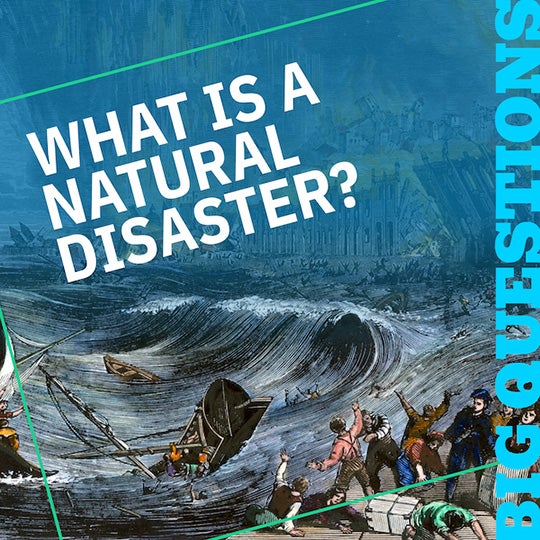
What Is a Natural Disaster? (HUMA 139) challenges students to rethink why catastrophes unfold the way they do and why certain communities always seem to bear the brunt. Taught by Luis Duno-Gottberg, the course examines how social, political and economic systems turn hazards into disasters and how culture shapes the stories we tell about destruction and recovery.
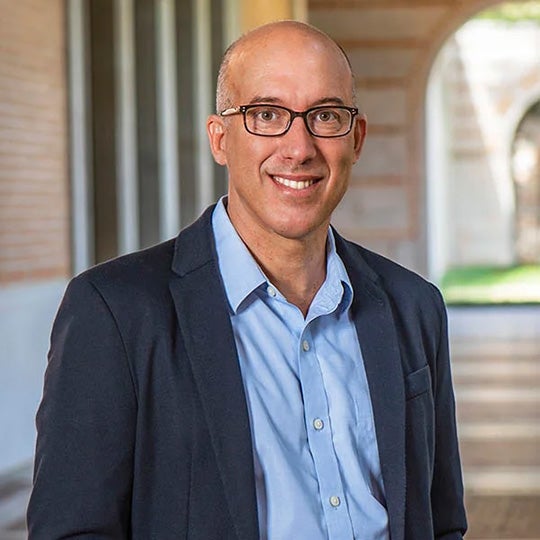
Duno-Gottberg is a cultural studies scholar whose work probes the relationship between violence, visual culture and inequality in Latin America and the Caribbean. His recent research focuses on photography and natural disasters including "Líneas de Furia," a photo exhibition and book presented within the Photo España program at the Universidad Complutense de Madrid. The first volume explored images of the 1967 Caracas earthquake and how photographs influence public understanding of crisis.
The class uses that visual lens to ask why disasters are remembered the way they are, who gets protected and who gets left behind. Students read survivor testimonies, analyze novels and films, study the 1755 Lisbon earthquake and look closely at events like Hurricane Katrina, where the dividing lines between loss and survival fall along long-standing social inequities.
"Natural hazards may be physical events, but disasters are always human," said Duno-Gottberg the Lee Hage Jamail Professor of Latin American Studies. "When we examine how images, narratives and policies shape public understanding of catastrophe, we begin to see that the real fault lines are social and political. Helping students recognize those dynamics is the first step toward building more just and resilient communities."
Through digital mapping and podcast projects, students learn to trace how communities transform trauma into story and how those stories influence recovery, justice and public attention. The course also invites students to consider who controls disaster narratives and why that control often determines which communities rebuild and which never recover.
The course is part of Rice's Big Questions initiative, a schoolwide effort designed to introduce students to humanistic and artistic inquiry through foundational, high-interest classes. Taught by some of Rice's most imaginative faculty members, Big Questions courses encourage students from all majors to explore issues that shape both personal and public life. Other courses in the program include Who Should Vote?, What Is Religion?, What Is Love? and Where Is Utopia?


