The radically different ways communities experienced the coronavirus pandemic is leading to the creation of fragmented and inconsistent memorials, a new study shows.
Thousands of people died from COVID-19, and the long societal impacts of bereavement, ongoing illness, and social distancing measures are vast – yet processes of remembrance reflected in physical memorials are disjointed.
The book, by Professor David Tollerton of the University of Exeter, shows this is because the pandemic was experienced in such individual ways. Forces of both remembering and forgetting are currently prominent, and there is no shared understanding of how pandemic memory should manifest physically.
Remembering and Forgetting Britain's COVID-19 Pandemic is the most comprehensive analysis of pandemic memorial sites spread across Great Britain to date. Professor Tollerton also reflects on how the 1918-19 influenza pandemic is remembered.
Ahead of the designated 'Day of Reflection' on Sunday 8 March, Professor Tollerton said: "How we make sense of this event in our public spaces remains uncertain. The Day of Reflection may be a chance to think not only about events during the pandemic but what meaning we want them to have for future generations."
The 1918-19 influenza pandemic, popularly referred to as 'Spanish Flu', left behind remarkably few physical memorials. By contrast, since 2020, numerous physical sites have been created to commemorate COVID-19. Their forms, emphases, and politics vary considerably, and they have been spearheaded by grassroots activists, large 'establishment' organisations, and local and national governments. Some are designed to remain in situ for perpetuity, while others have been abandoned.
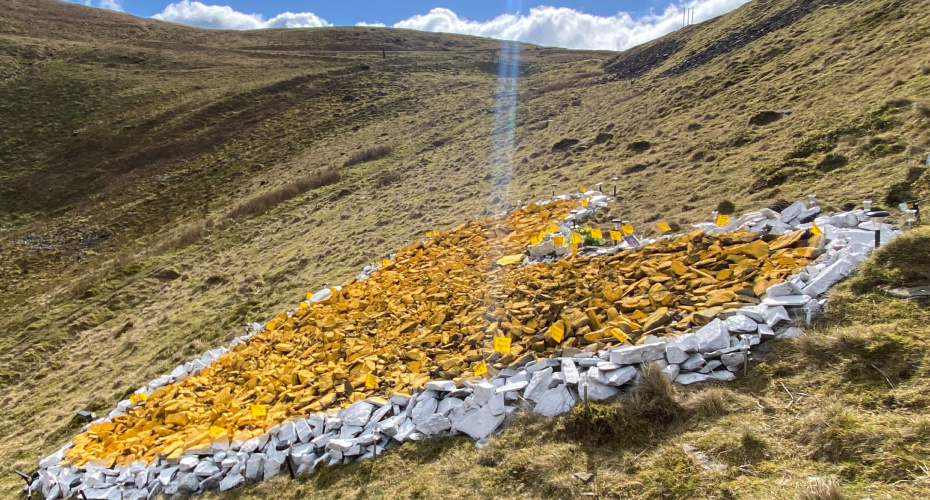
During the course of his research, Professor Tollerton visited many memorial sites and found public attitudes were a mixture of fervour and indifference. In his book, he examines the impact of memorials such as the Yellow Hearts to Remember online campaign; the large stone heart created high on Bwlch Mountain in South Wales by a local bereaved family; the National Covid Memorial Wall, which has covered a lengthy section of the south bank of the Thames opposite the Houses of Parliament; the Remember Me project at St Paul's Cathedral in central London; and the Sanctuary memorial built (and then ceremonially set ablaze) in the Midlands town of Bedworth.
Professor Tollerton argues in favour of supporting public memory initiatives to mark the pandemic. But he also warns that the current, varied ways people choose to remember could become problematic because of selective modes of engaging with pandemic experiences.
"In the years that follow, it may be that public memory of the COVID-19 pandemic coalesces into a form through which some of these physical spaces become essential focal points of ongoing attention," says Professor Tollerton, of Exeter's Department of Classics, Ancient History, Religion and Theology. "Or, instead, consciousness of the pandemic may fade into the background of British communal life to such an extent that these memorial sites become little more than obscure and deteriorating curiosities. And yet, even if that is the case, future events - notably the next major pandemic - may breathe new life into their purpose.
"Anguished cries for memorialisation will not resonate equally with everyone's experiences. The issue is only exacerbated by considering that those generally struck hardest by the pandemic - individuals and communities already facing economic, social, and health precarity - are less likely to be those with the means to drive public memorialisation. Building memorial spaces requires time, resources, and influence that are more available to those who experienced COVID-19 more lightly.