COLUMBUS, Ohio - Thinkers from Plato to Maria Montessori have championed play as one of the most powerful ways that young children learn and grow. American preschool teachers overwhelmingly agree - but a new study finds that teachers in urban settings feel less family support for play-based learning than their suburban counterparts.
The study, published in the Early Childhood Education Journal, drew on survey data from 110 preschool teachers in two Midwestern states to examine how classroom play is supported across urban, suburban and rural settings. Researchers looked at three key factors: teachers' own knowledge and beliefs about learning and play, their perception of family support for play and their perception of curricular support for it.
While teachers' beliefs about play and curricular support didn't differ by region - 96.9% agreed or strongly agreed that play supports academic learning - urban teachers were significantly less likely than suburban teachers to say families in their classrooms viewed play as essential to learning.
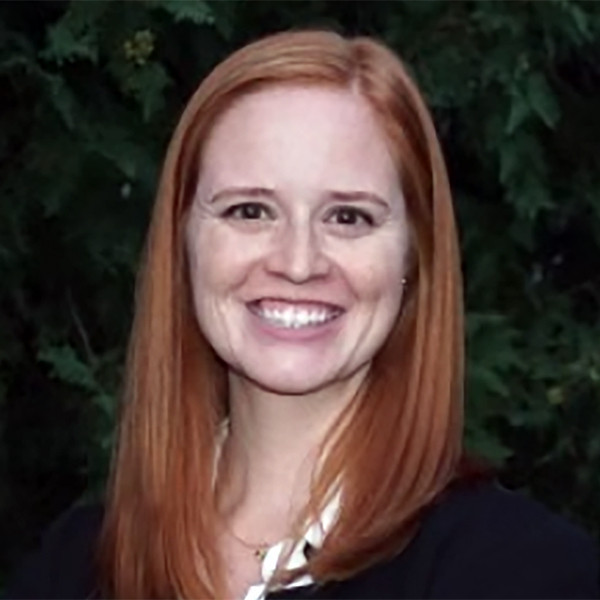 According to Erin Fox, lead author of the study and a recent graduate with a doctorate in human development and family science from The Ohio State University, both research and anecdotal stories from teachers and parents point to growing pressure in preschool settings to prioritize direct academic instruction, which can limit children's time for play.
Fox was curious about how this tension was taking shape across communities and set out to explore equity in access to high-quality, play-based preschool.
"One of the biggest misconceptions is that play doesn't support learning," Fox said. "In general, I think most people would agree that play supports social emotional development, but may be less likely to understand how play can also support early literacy or math skills."
Far from being just a "break" or a way for kids to burn off energy, playful learning is an evidence-based teaching strategy: The researchers define it as an active learning approach that combines child-directed, engaging elements with intentional adult guidance.
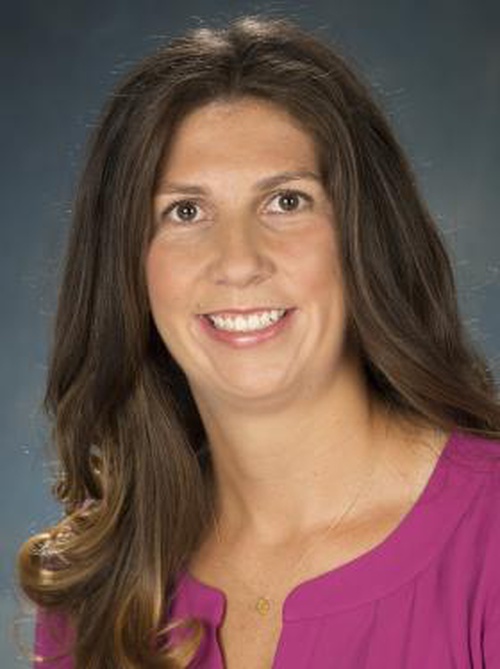
"From the outside, it might just look like kids are playing, but when you actually talk to the teachers, it's very intentional and there are clear learning goals behind it," said Kelly Purtell, a co-author of the study and associate professor of human sciences at Ohio State. The paper is part of a larger study focused on understanding how teachers use and think about play experiences in preschool and early elementary school classrooms.
Purtell notes a broader cultural shift in the way conversations about school readiness have come to dominate how families view preschool.
"When talking to teachers, both formally and informally, they've expressed that when some families send their kids to preschool, they really expect them to be there to learn and to be ready for kindergarten," Purtell said. An increased focus on formal academic preparation, she added, shapes broader expectations of what preschool should look like.
As to why teachers in urban areas reported feeling less support from families around playful learning, the researchers speculate that parents in urban areas might be more exposed to narratives around the importance of school readiness, Purtell said, and there is a growing need to better educate parents and families about the important role of play-based learning in ensuring school readiness.
Parental concerns about kindergarten preparation are well-placed and understandable, Purtell said, and she hopes to help broaden how people think about school readiness.
"Play-based learning is a developmentally appropriate learning strategy," she said, "and it's something parents should feel comfortable talking to their children's teachers about - to better understand how and why teachers are using play in the classroom - and how that's helping kids develop and get ready for the transition to school."
Additional co-authors were Maria Abdul-Masih of Ohio State, Rachel E. Schachter of the University of Illinois Chicago, Amy R. Napoli of the University of Nebraska-Lincoln and Yuenjung Joo of the University of North Carolina Greensboro.