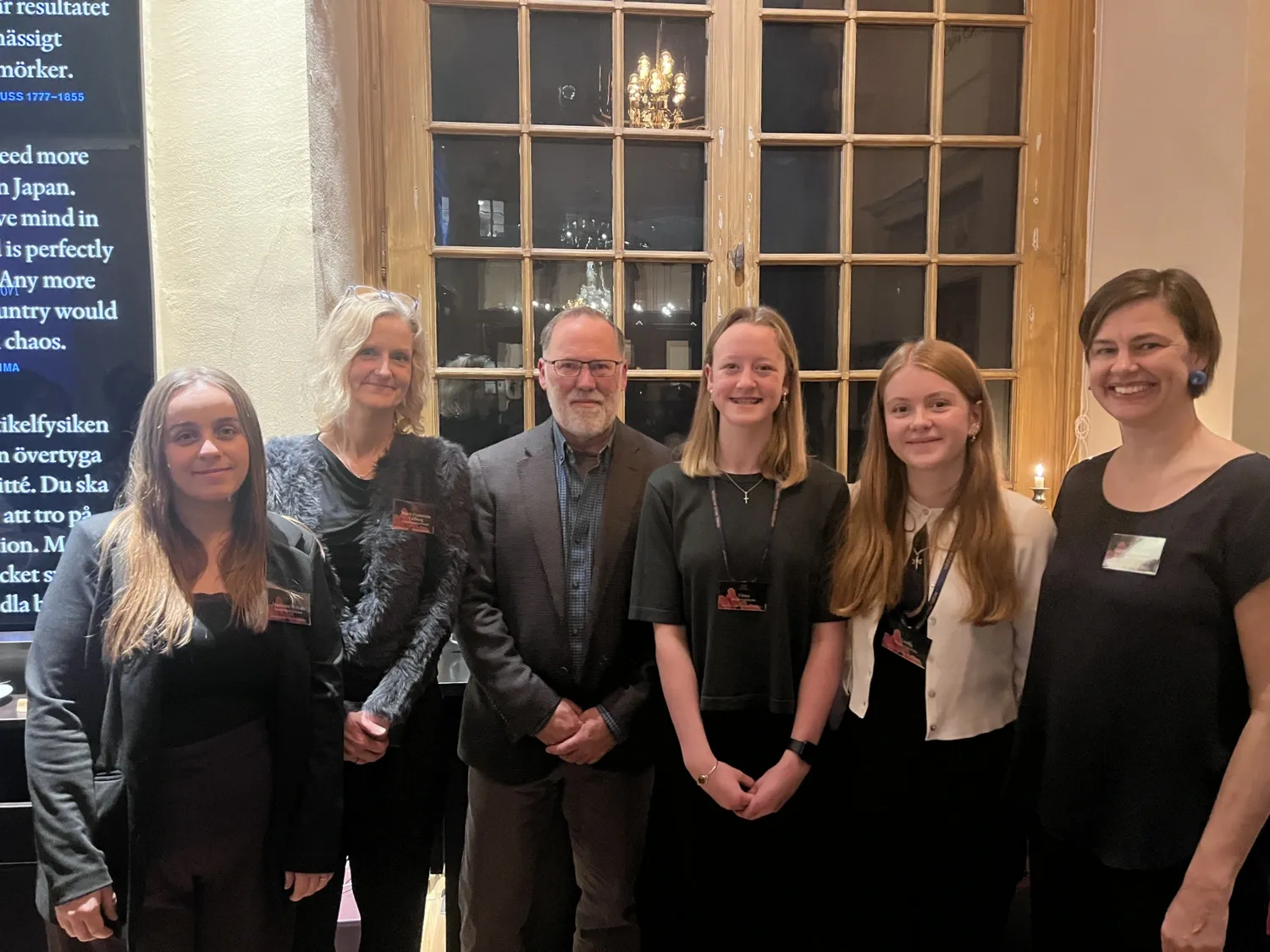
During the past year, 33 lower secondary schools have assisted KI researchers in collecting soil samples from preschools across Sweden as part of the project Bakteriejakten. On 5 December, a final conference was held at the Nobel Prize Museum, featuring one of this year's Nobel laureates, Fred Ramsdell.
Bakteriejakten ("The Hunt for Bacteria") is the fifteenth edition of the Nobel Prize Museum's project Forskarhjälpen ("Researcher's Help"). The aim of Forskarhjälpen is to give school pupils the opportunity to experience real research by helping scientists with sample or data collection.
Investigates how environment during upbringing affects health
In Bakteriejakten, Malin Flodström Tullberg's research group at the Department of Medicine, Huddinge (MedH) , received support in collecting soil samples from preschools throughout Sweden.
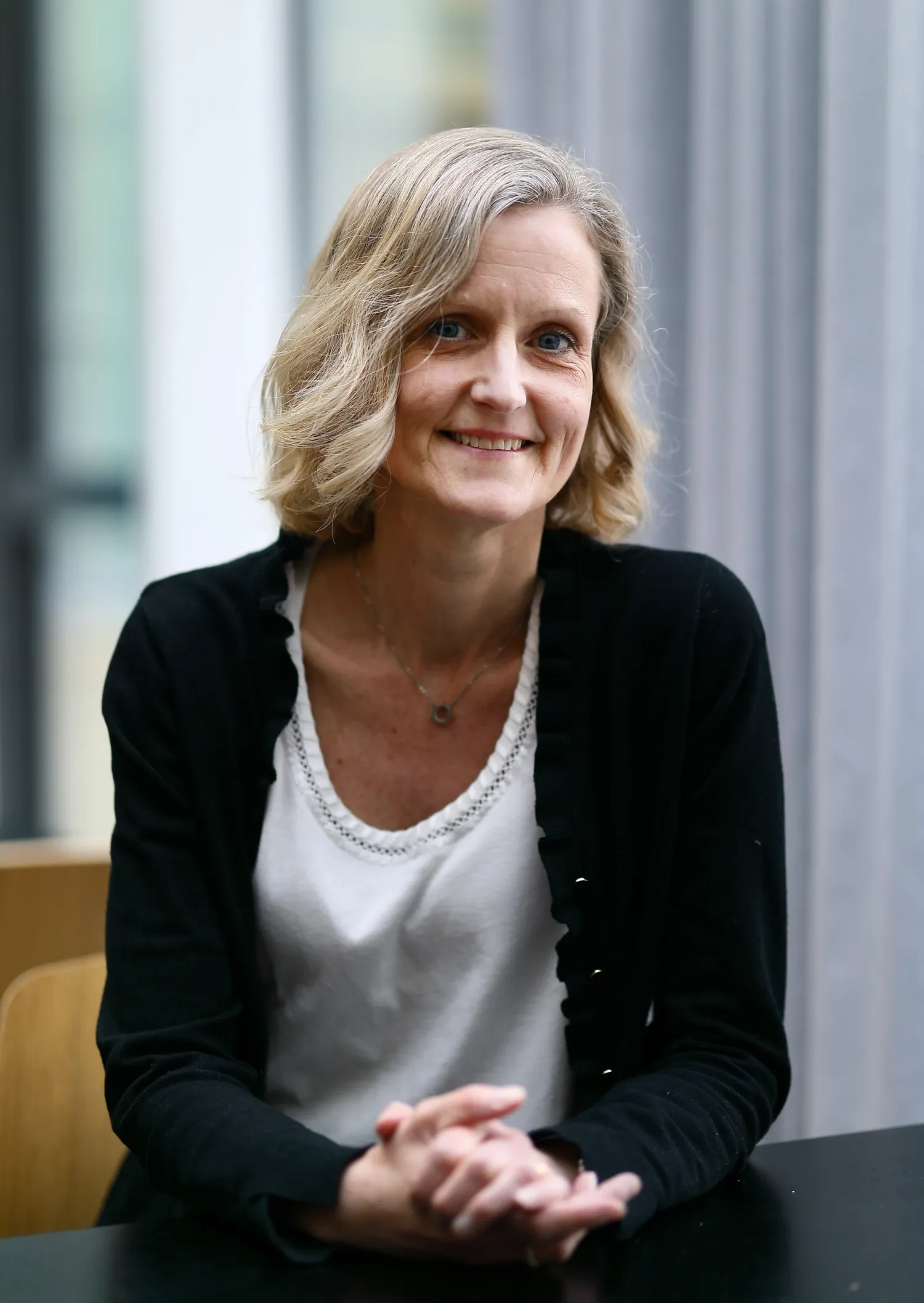
"We know that the environment we grow up in can affect our health, and research suggests that the risk of developing allergies and autoimmune diseases decreases if we spend time in environments with greater biological diversity. Through this project, we want to find out whether bacteria in childhood environments differ between urban and rural areas", says Malin Flodström Tullberg.
To achieve this, pupils from all over the country helped researchers collect samples from preschool playgrounds in both urban and rural settings on two occasions - once in spring and once in autumn.
Final conference with Nobel laureate
After the spring samples had been analysed by the research group, the results were shared with the pupils, who then created their own scientific posters based on the material during the autumn term. Two pupils elected at each school were invited to the final conference at the Nobel Prize Museum. Pupils from Magnarp School in Ängelholm won the researchers' award and will be welcomed for a study visit to Karolinska Institutet in the spring. The final conference also featured one of this year's Nobel laureates, Fred Ramsdell, who provided an inspiring insight into the groundbreaking research for which he was honoured.
"Through Bakteriejakten, we have shown how powerful collaboration between universities and the public - in this case, schools - can be. Together we create new knowledge that makes a difference and inspires more young people to discover the world of research," says Malin Flodström Tullberg.