Researchers working with Traditional Owners of the Great Barrier Reef have found that conventional approaches to valuing the Reef do not fully reflect the relationships between people, culture and Sea Country.
The finding emerged from the first stage of the SEABORNE project , which is examining how people use and benefit from the Reef, and how that information can support its management.
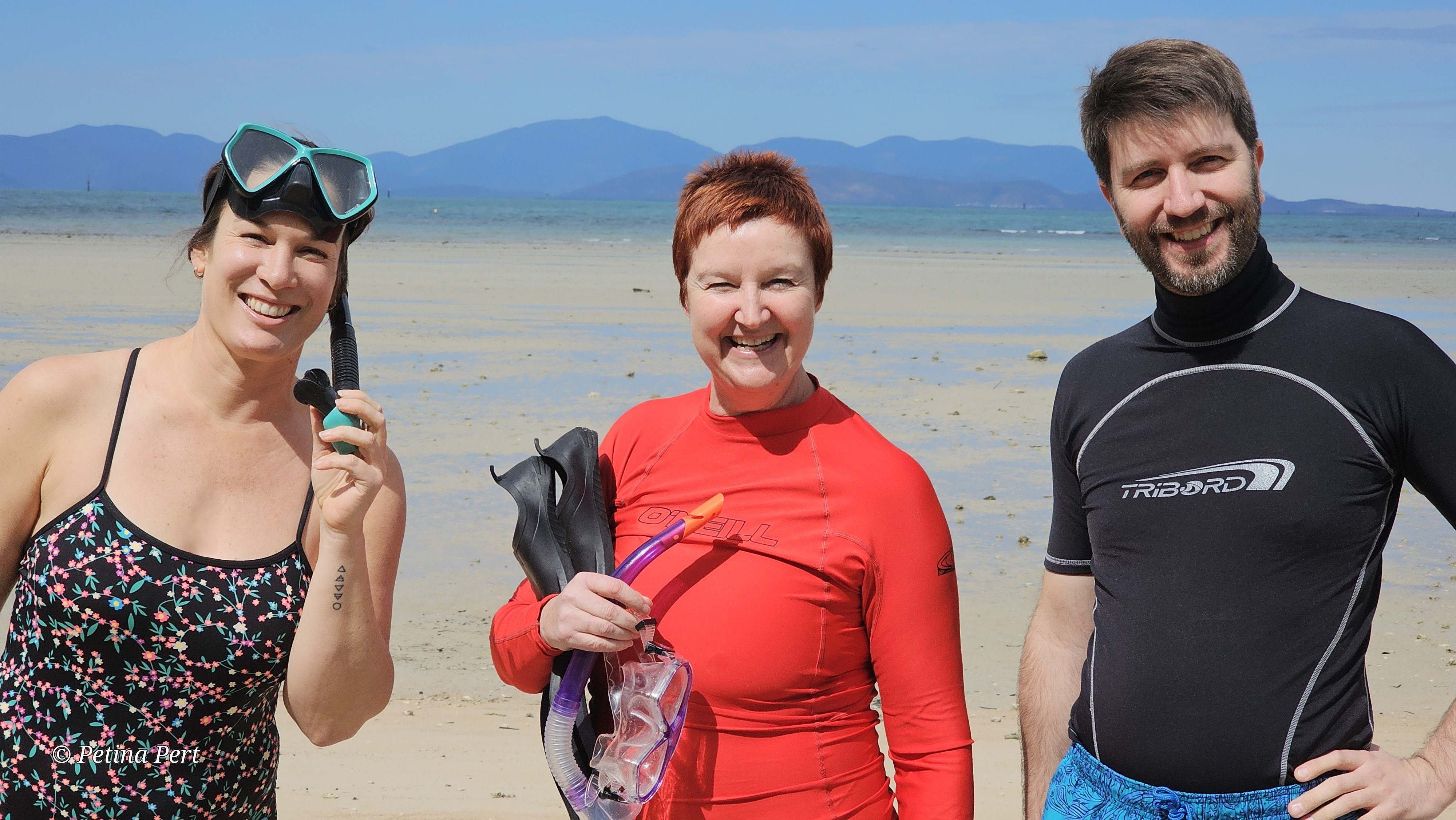
Led by CSIRO environmental economist Dr Anthea Coggan , the project brings together researchers from several institutions. University of Tasmania conservation scientist Dr Victoria Graham and James Cook University environmental economist Dr Diane Jarvis co-led its First Nations engagement.
They worked with the Yirrganydji, Darumbal, Woppaburra, Bailai, Gurang, Gooreng Gooreng and Taribelang Bunda peoples to identify priorities for monitoring, managing and valuing Sea Country.
The work revealed the limitations of applying a linear framework to relationships that connect Country, culture, community, knowledge and livelihoods.
"Ecosystem service and accounting frameworks can help us understand some of the social, economic and environmental benefits people receive from the Reef, but they do not always capture the rich connections between Country, culture, community, knowledge and livelihoods," Dr Graham said.
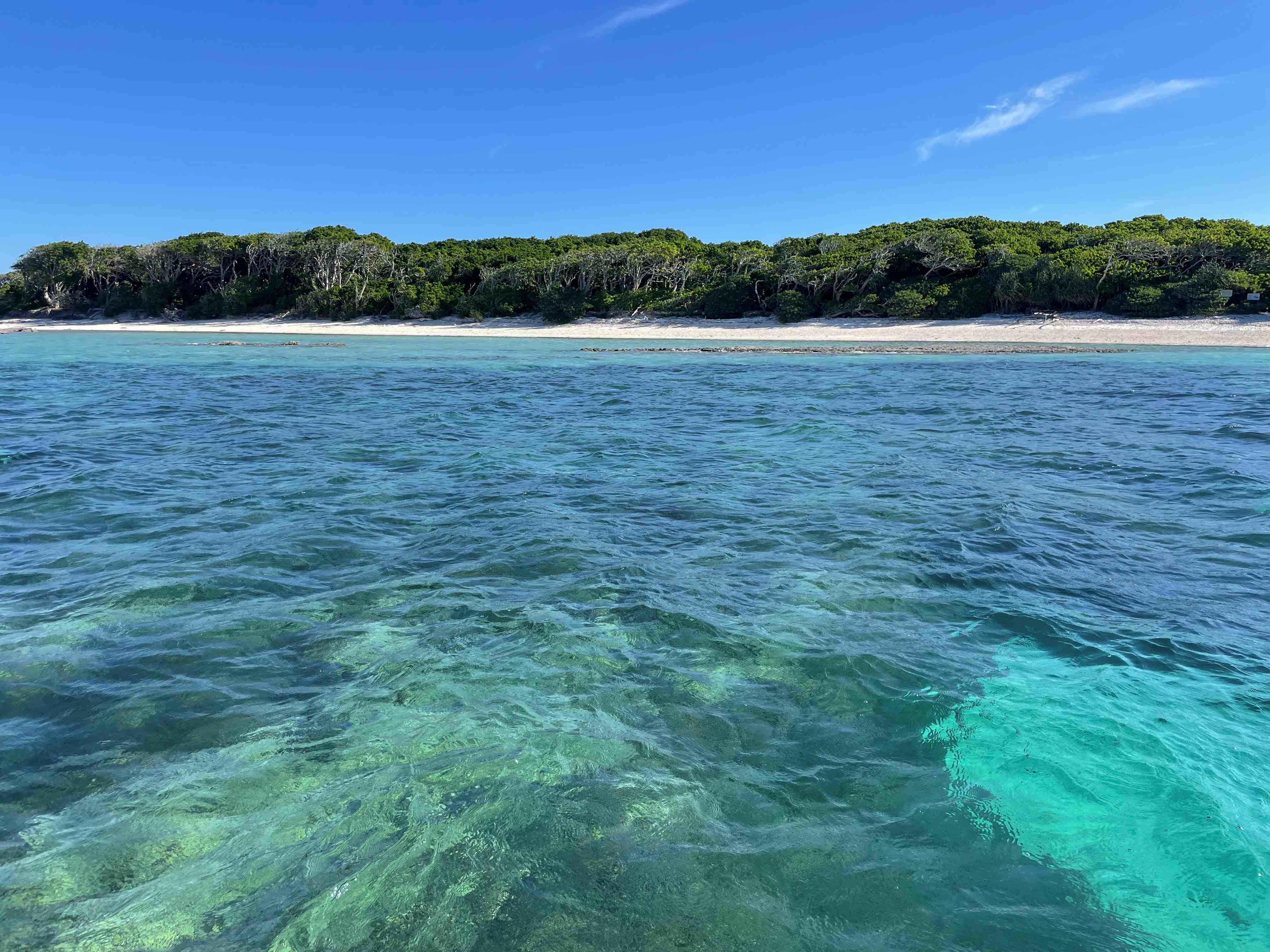
"In workshops with Traditional Owners, it became clear that trying to fit a linear approach to reflect the rich, two-way connections with Sea Country was not appropriate."
Traditional Owners have cared for the Reef and its surrounding Sea Country for millennia.
Their role in formal Reef management has grown through measures including Traditional Use of Marine Resources Agreements, which support collaboration between Traditional Owner groups and government agencies.
Dr Graham said understanding how people relate to and benefit from the marine environment could help Reef managers make better-informed decisions.
"The type of information that feeds into management in turn influences which values and priorities are visible in decision-making," she said.
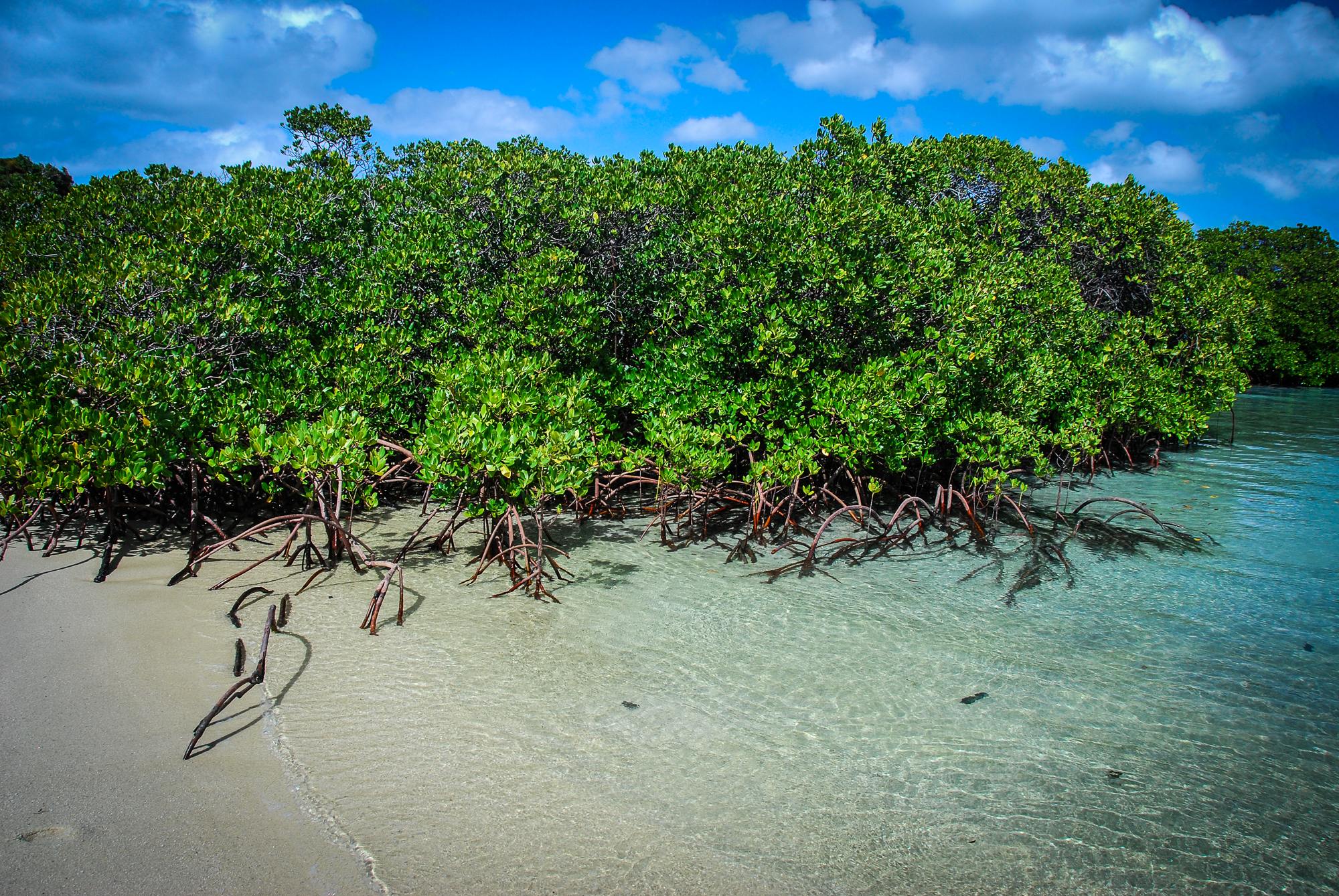
"Our aim was to understand the diverse ways that people benefit from the Reef, including what existing data is being collected, where the gaps are, and how future research can better reflect Traditional Owner priorities in management."
The project found that rather than applying one method across the Reef, culturally appropriate approaches needed to begin with conversations about what individual Traditional Owner groups considered important.
The next stage will build on that engagement, with researchers and Traditional Owners working together to develop approaches that recognise the distinct connections between communities and Sea Country.
"There is no single Traditional Owner perspective across the vast Great Barrier Reef; there are 70 distinct groups with authority for Sea Country," Dr Graham said.
"Each group has its own Country, knowledge, governance and priorities. Any approach to understanding those relationships needs to begin with the people and places concerned."
Dr Graham was recently named joint 2026 Tasmanian Young Tall Poppy Scientist of the Year for her work in conservation science and environmental policy.