
Sean Jeffery and the American Pharmacists Association have launched a new Patient-Centered Deprescribing in Older Adults Training Program on their new website.
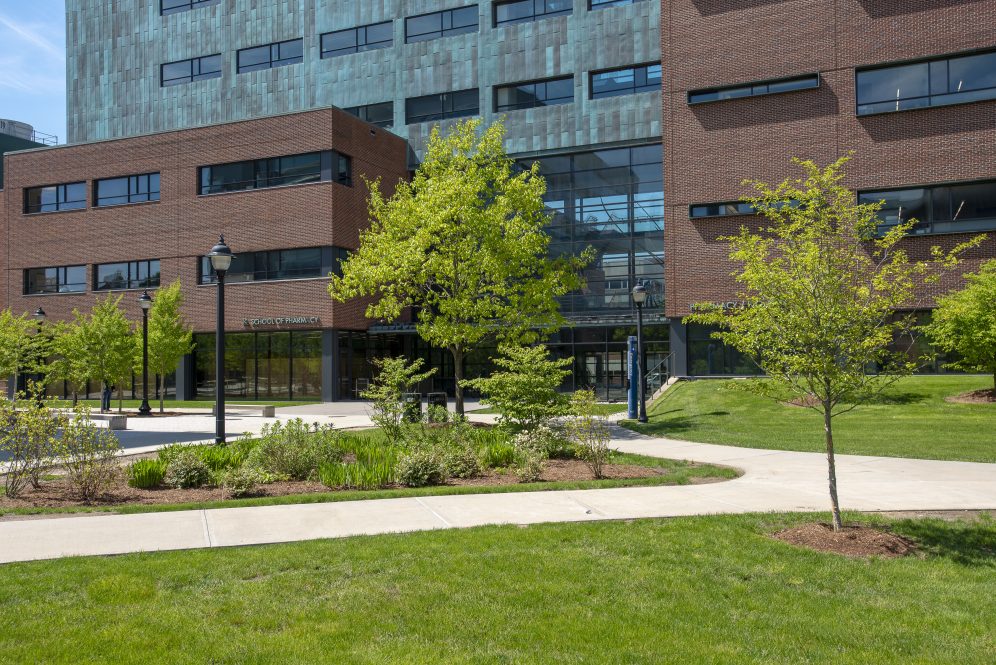
Exterior views of the Pharmacy/Biology Building on May 14, 2024. (Sean Flynn/UConn Photo)
Deprescribing is the process in which medical professionals consider discontinuing a prescription. Deprescribing can happen for a variety of reasons. Whether someone is experiencing side effects or the indication for medication changes, deprescribing could be helpful.
Sean Jeffery, Clinical Professor at the UConn School of Pharmacy, says there are many things providers have to think about before deprescribing a patient.
"Some meds you can just stop, some you need to carefully taper, but regardless, we want to do it in a way where the patient, provider and family are included in the process," Jeffery said.
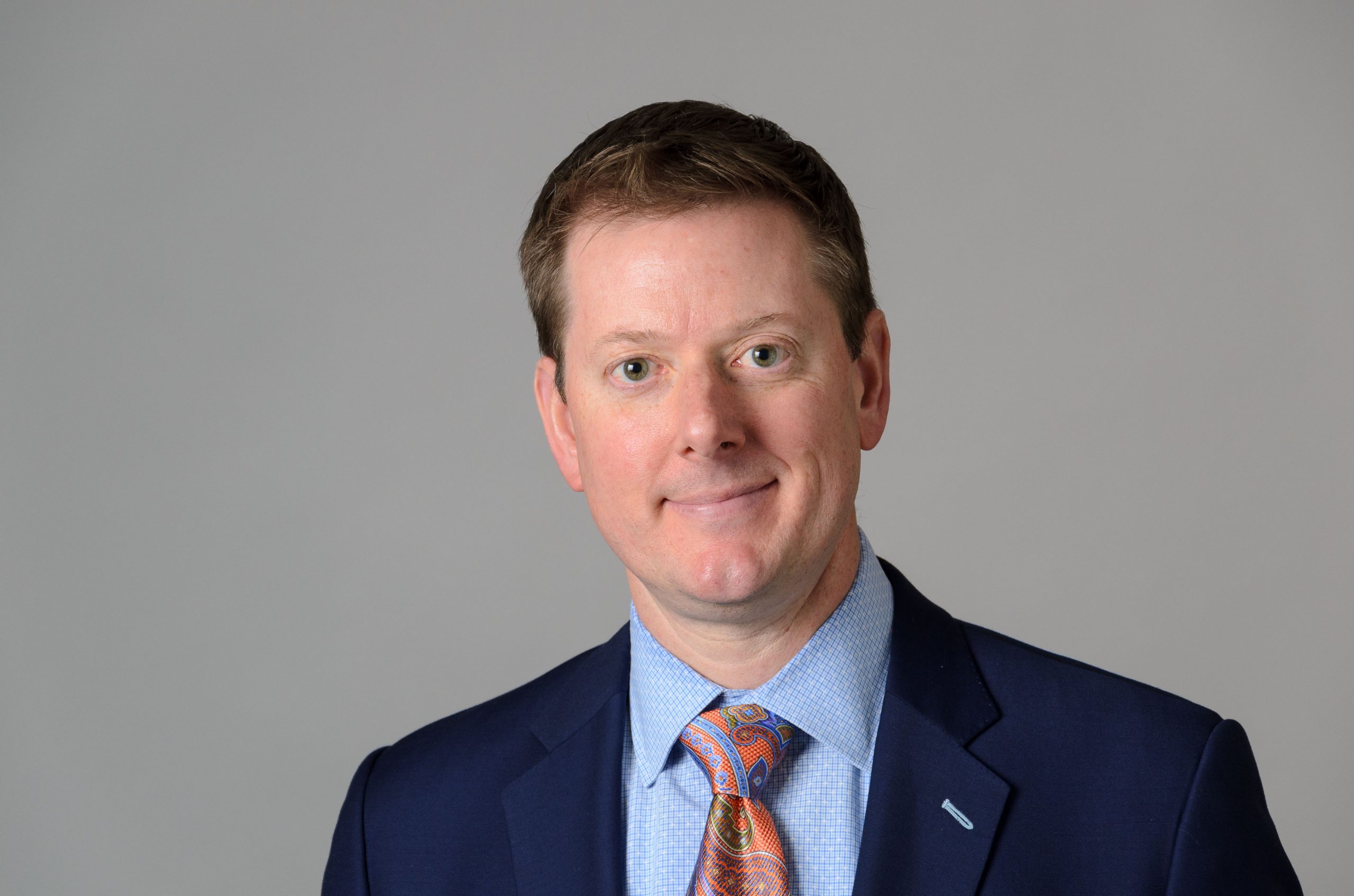
Jeffery has been studying deprescribing, especially in older patients, for quite some time. He noted that during his time as a student at the school, he met some mentors that helped aid his interest in deprescribing.
Jeffery's interest in deprescribing in older adults was sparked by retired UConn preceptor Dennis Chapron, a pharmacist who worked at the Hebrew Home and Hospital at the time.
Chapron sat Jeffery down and pointed out who he would be caring for in the middle of his career. That guidance inspired Jeffery to want to learn about geriatric pharmacy and how he can help older adults.
That advice helped Jeffery find his next mentor, Joe Hanlon, now retired pharmacy professor from University of Pittsburgh. Hanlon helped Jeffery learn the process of what medications are and are not appropriate for older adults.
Ever since those two interactions, Jeffery has worked to raise awareness and educate people on deprescribing in geriatric patients, and the APhA website helps with that initiative.
Jeffery said that himself and Associate Professor at the University of Pittsburgh School of Medicine, Jennifer Pruskowski, PharmD started working on the "Deprescribing in Older Adults" program before the COVID-19 pandemic.
"We spent time developing the concept and working with potential funding sources. When we finally found a foundation to support the work, COVID hit," Jeffery said. "Then all the foundations were directing resources to COVID-19 related activities and so we pivoted."
Jeffery and Perkowski then decided it would be easier to start the program with pharmacists since they had the connections within their professions.
Jeffery, who was on the APhA board of trustees at the time, reached out to the APhA Vice President of Education and he loved the idea of the program.
After three years of hard work, the website has finally been published, and the training program has been set up.
The program teaches pharmacists how to approach patients and providers as well as the barriers to deprescribing. The program also teaches pharmacists and care providers how to go about deprescribing in many different settings.
"The program teaches about all the different care settings where pharmacists would engage," Jeffery said. "We created scenarios for not just long-term care settings with older adults, but also with primary care clinics and hospital bedside settings."
Jeffery also talked about the questions that may be asked by providers or pharmacists to start deprescribing such as, "if you could stop a medication you are on today what would be the first one you stop?" Or, "What is one medication you don't want me to touch?"
Jeffery's also mentioned that anyone could start exploring deprescribing.
"The easiest way is having a conversation with either yourself or family about what matters most to people and to make sure they are able to articulate what matters to them," Jeffery said. "You can help somebody to tee-up that conversation for when they go see their provider."
He added that there is always an opportunity to deprescribe.
"Asking is this the right mix of medications? Are you experiencing side effects? Is there something we can do to help simplify this? Can help medication professionals create the opportunity for deprescribing," Jeffery's said.
You can learn more about deprescribing or many other courses the APhA provides here.


