
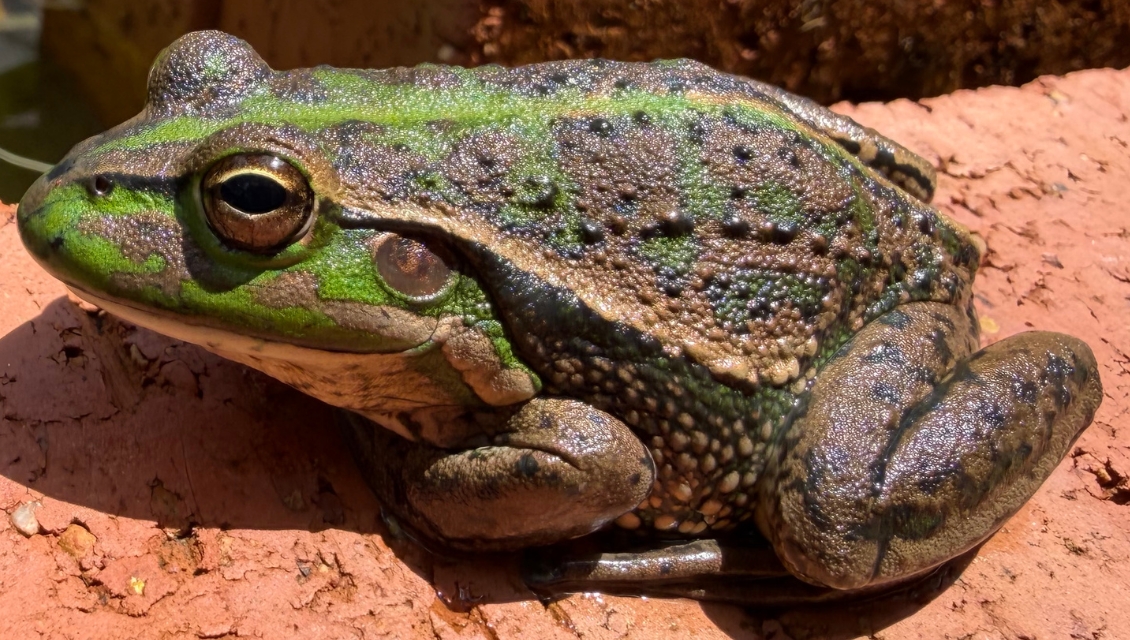
Forty adult southern bell frogs have been brought from New South Wales to strengthen the captive breeding program at Clayton Bay on Lake Alexandrina, with their arrival increasing the captive population to 65 frogs and marking an important step forward in the recovery effort.
Landscapes Hills and Fleurieu Freshwater Ecologist Tara Daniell said the additional frogs had significantly strengthened the breeding program.
"One of the biggest challenges in recovering threatened species is maintaining enough genetic diversity to establish healthy, resilient populations over the long term," Tara said.
"These frogs provide an important boost to the breeding program and will help support future efforts to re-establish the species in the Lower Murray."
Before joining the breeding program, the frogs underwent heat treatment to eliminate chytrid fungus, a disease that has contributed to frog declines across Australia.
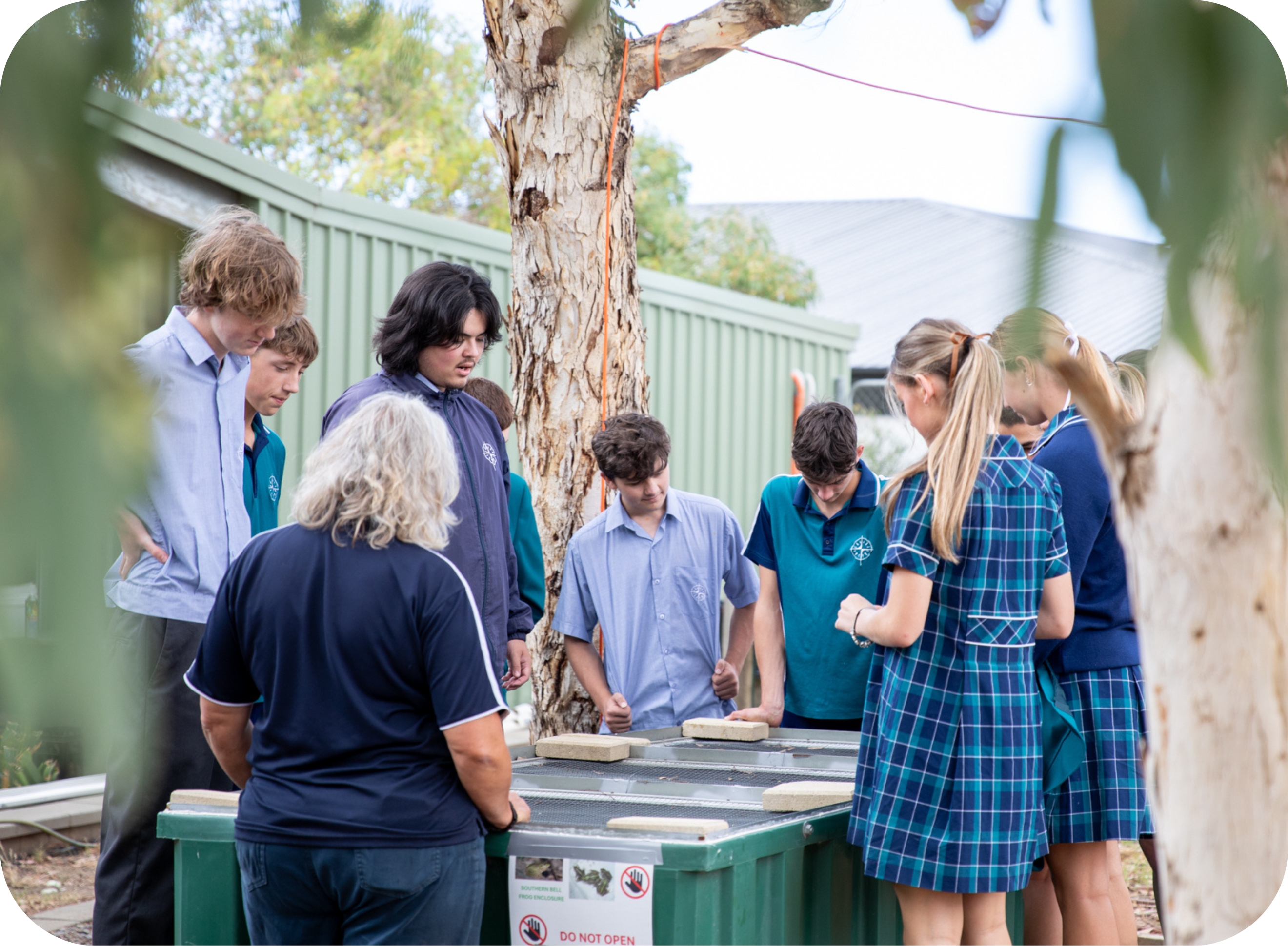
The frogs were then transferred to purpose-built outdoor breeding enclosures at the Clayton Bay Hatchery, Investigator College in Victor Harbor and Urrbrae Agricultural High School.
To encourage breeding, the Clayton Bay Hatchery team has trialled a range of husbandry improvements, including manipulating water levels to mimic natural flooding events, increasing vegetation, refining the frogs' diet, and replacing screens to ensure adequate UV levels in outdoor enclosures.
Electricity was installed at the breeding enclosures earlier this year, allowing heated water and the potential for UV lighting to be incorporated into the program.
While breeding has not yet occurred in captivity, project partners remain optimistic these improvements will increase the likelihood of success during the 2026-27 breeding season.
In preparation for releasing captive-bred frogs into the wild, habitat restoration is being undertaken at managed wetlands selected for their suitable breeding habitat.
At Clayton Bay, earthworks and fish screens have been installed to improve habitat and exclude invasive carp, while at Currency Creek, habitat management at Investigator College's Eco-Centre wetland has included environmental water delivery, reed removal and revegetation works.
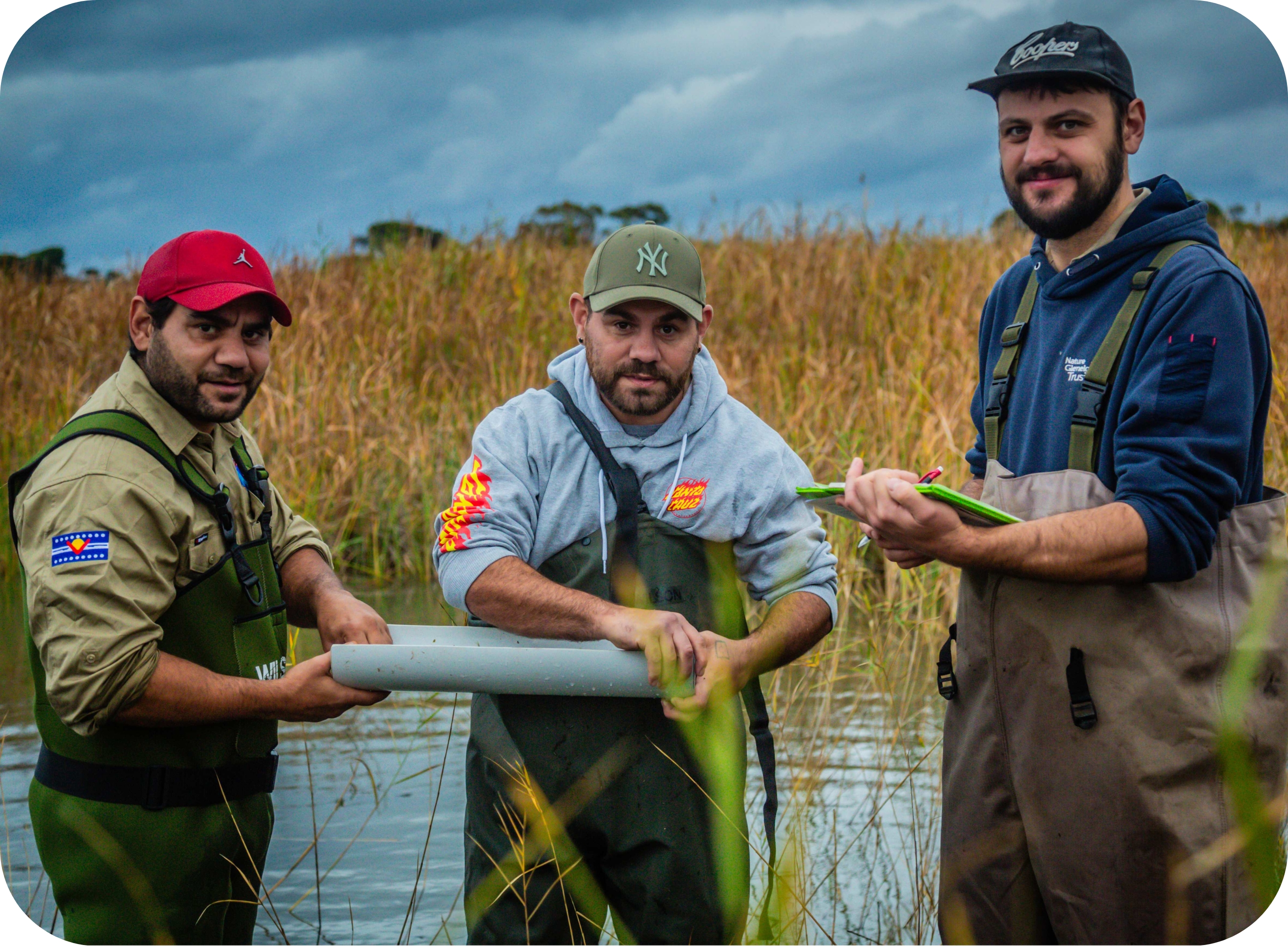
Partnerships and two-way learning with the Ngarrindjeri Aboriginal Corporation continue to play an important role in the project.
A recent cultural workshop and on-Country assessment at Clayton Bay brought together Ngarrindjeri Elders, community members, Rangers and project partners to assess potential release sites and explore how cultural leadership can support the long-term recovery of the southern bell frog and the wetlands it depends on.
Looking ahead, the next phase of the project will be reintroducing southern bell frogs to the Lower Murray, with trial releases planned for spring and summer, subject to the necessary approvals.
Adult frogs will be released into the selected sites, while eggs will be reared at the Clayton Bay Hatchery before young frogs are released at managed wetland sites.
Ongoing monitoring will track survival and breeding activity, helping determine whether new populations can be successfully established in the Lower Murray.
With an expanded captive population, improving habitat and plans for future reintroductions, there is growing optimism for the recovery of this iconic wetland amphibian.
Back from the Brink
The southern bell frog recovery project is part of Landscapes Hills and Fleurieu's Back from the Brink project and is supported by Nature Glenelg Trust and Murraylands and Riverland Landscape Board.
Back from the Brink is funded by the Australian Government Natural Heritage Trust and delivered by Hills and Fleurieu Landscape Board, a member of the Commonwealth Regional Delivery Partners panel.
The project is also supported by a dedicated volunteer network that cares for the frogs, maintains facilities, produces live food and helps engage the community through tours, presentations and educational activities.
Learn more about the Back from the Brink project and the southern bell frog at landscape.sa.gov.au/hf/backfromthebrink .


