
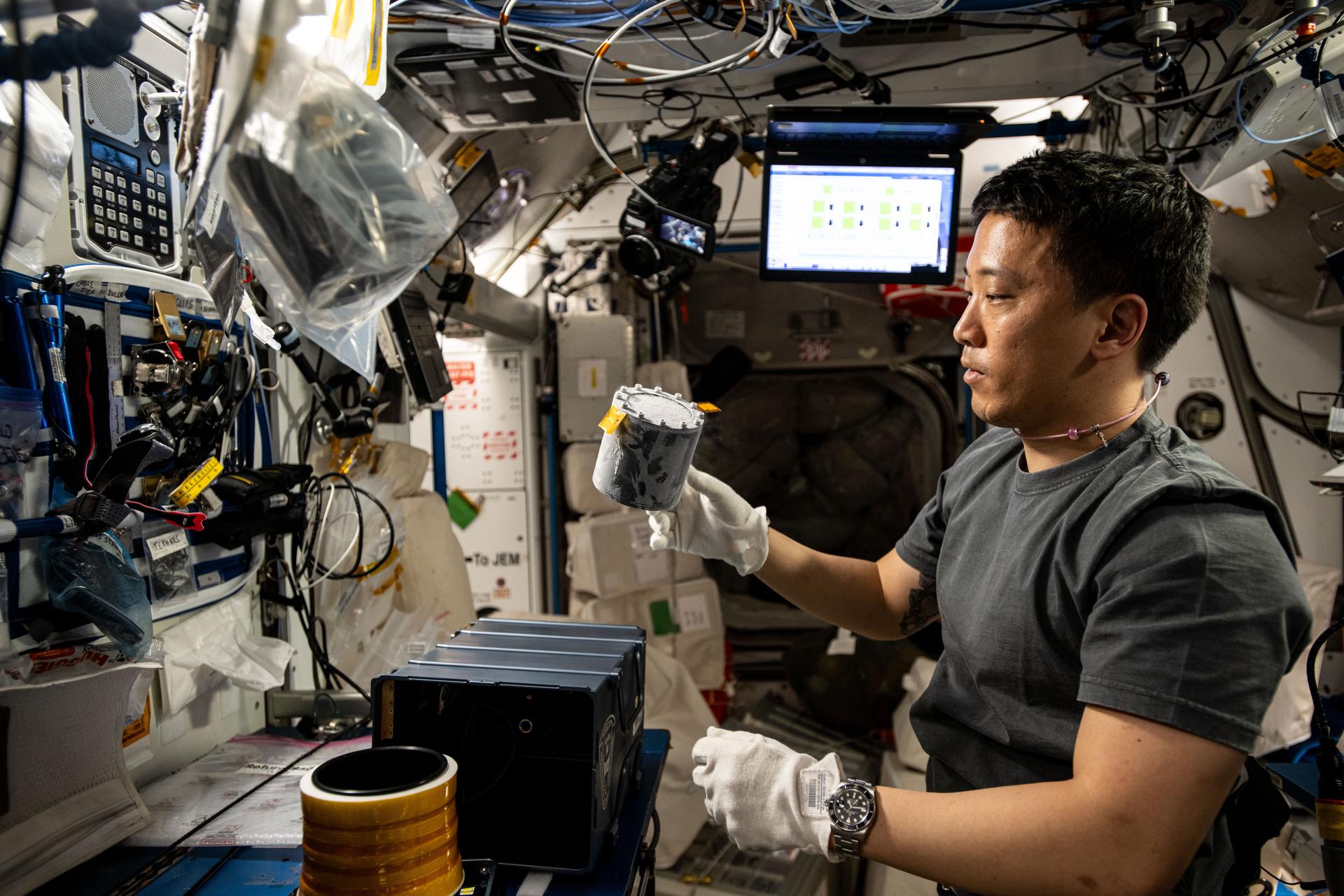
As Earth completed its orbit around the Sun to close out 2025, the International Space Station circled our planet more than 5,800 times. Serving as humanity's unique laboratory in space, the station has hosted thousands of experiments and technology demonstrations, advancing science in ways that cannot be replicated on Earth.
In 2025 alone, more than 750 experiments supported exploration missions, improved life on Earth, and opened commercial opportunities in low Earth orbit. The space station continues to drive innovation by enabling human exploration of the Moon and Mars, transforming medical research, deepening our understanding of the universe, and fostering a growing commercial economy.
Read through just a handful of 2025's innovative research achievements from the orbiting laboratory.
25 Years of humans researching in orbit
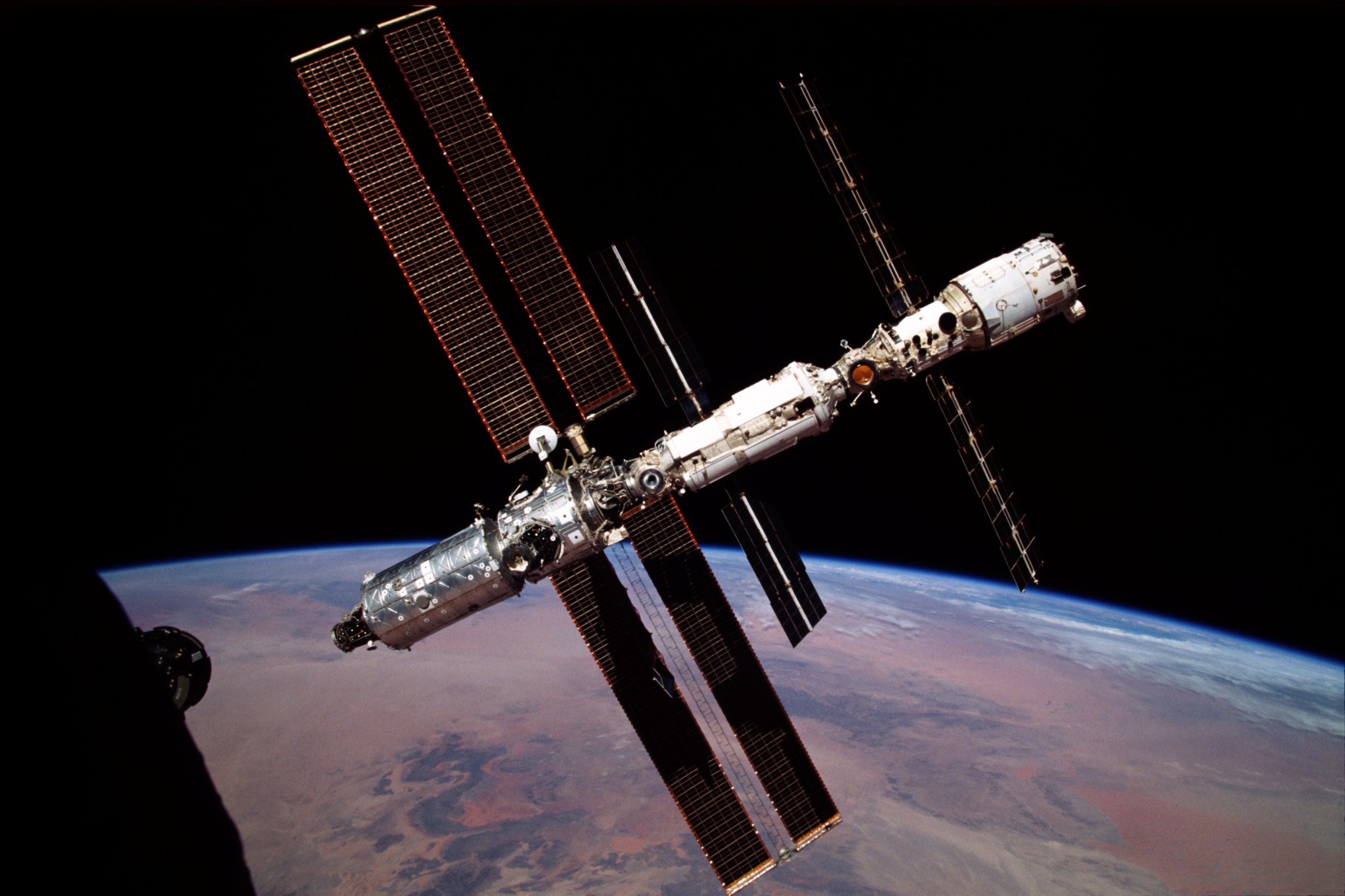
On Nov. 2, 2025, humanity reached a milestone of cosmic proportions: 25 years of continuous human presence aboard the International Space Station. Since the first crew arrived on Nov. 2, 2000, NASA and its partners from around the world have conducted more than 4,000 research investigations and technology demonstrations. More than 290 people from 26 countries have visited the space station, where continuous human presence enables research that surpasses the capabilities of satellites and autonomous platforms. The space station's unique microgravity environment, paired with crew operations, continues to unlock discoveries and push the boundaries of humanity's curiosity and innovation.
A breakthrough cancer treatment
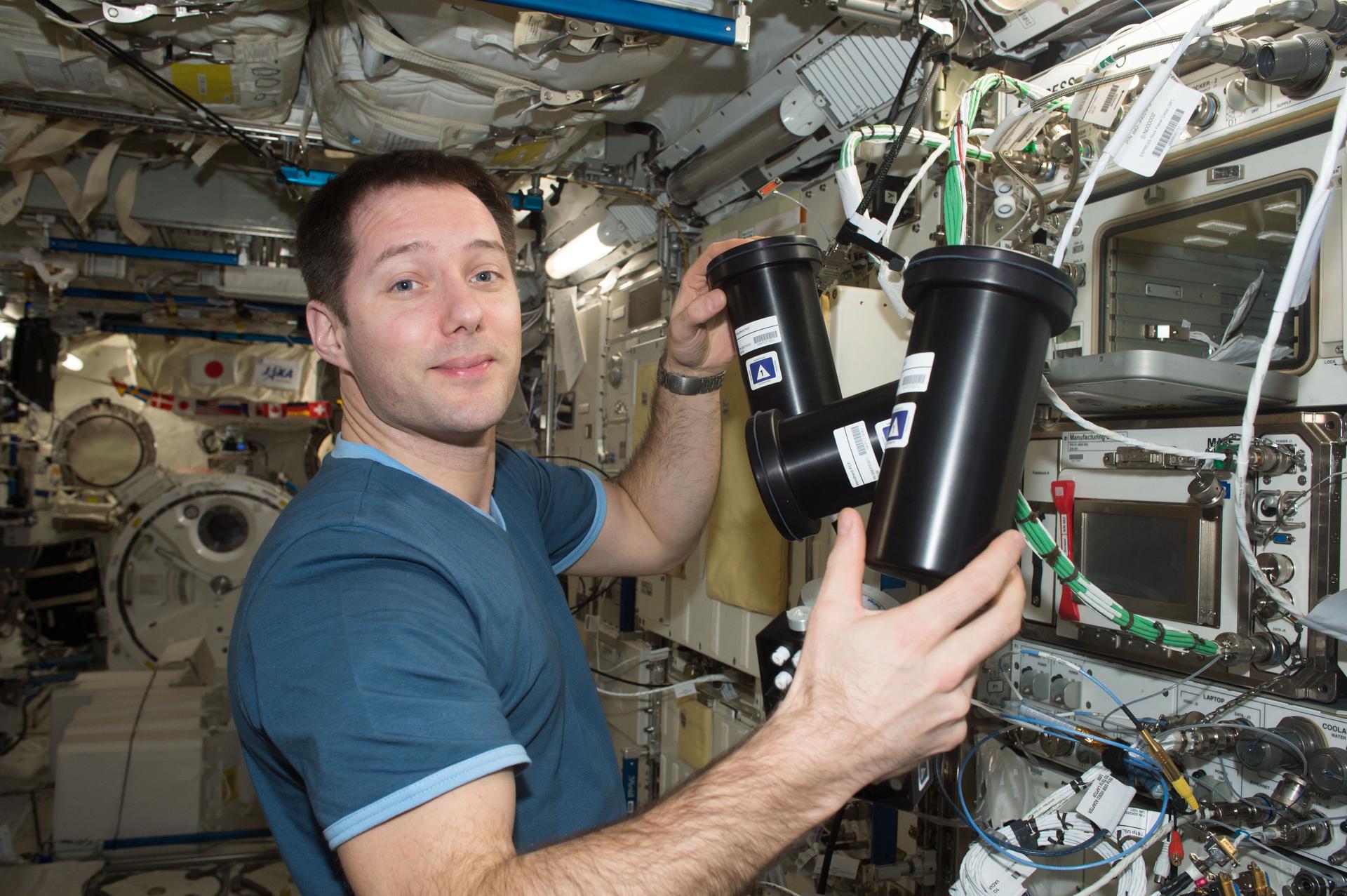
Research aboard the International Space Station helped inform the development of a newly FDA-approved injectable medication used to treat several types of early-stage cancers. The research yielded early insights into the structure and size of particles needed to develop the medication through protein crystal growth experiments. This new delivery method promises to lower costs and significantly reduce treatment time for patients and healthcare providers, while maintaining drug efficiency. Microgravity research can produce higher-quality, medically relevant crystals than Earth-based labs, enabling these types of medical advances. These developments showcase how space station research can drive innovation, improve lives, and foster commercial opportunities.
Medical implants printed in orbit
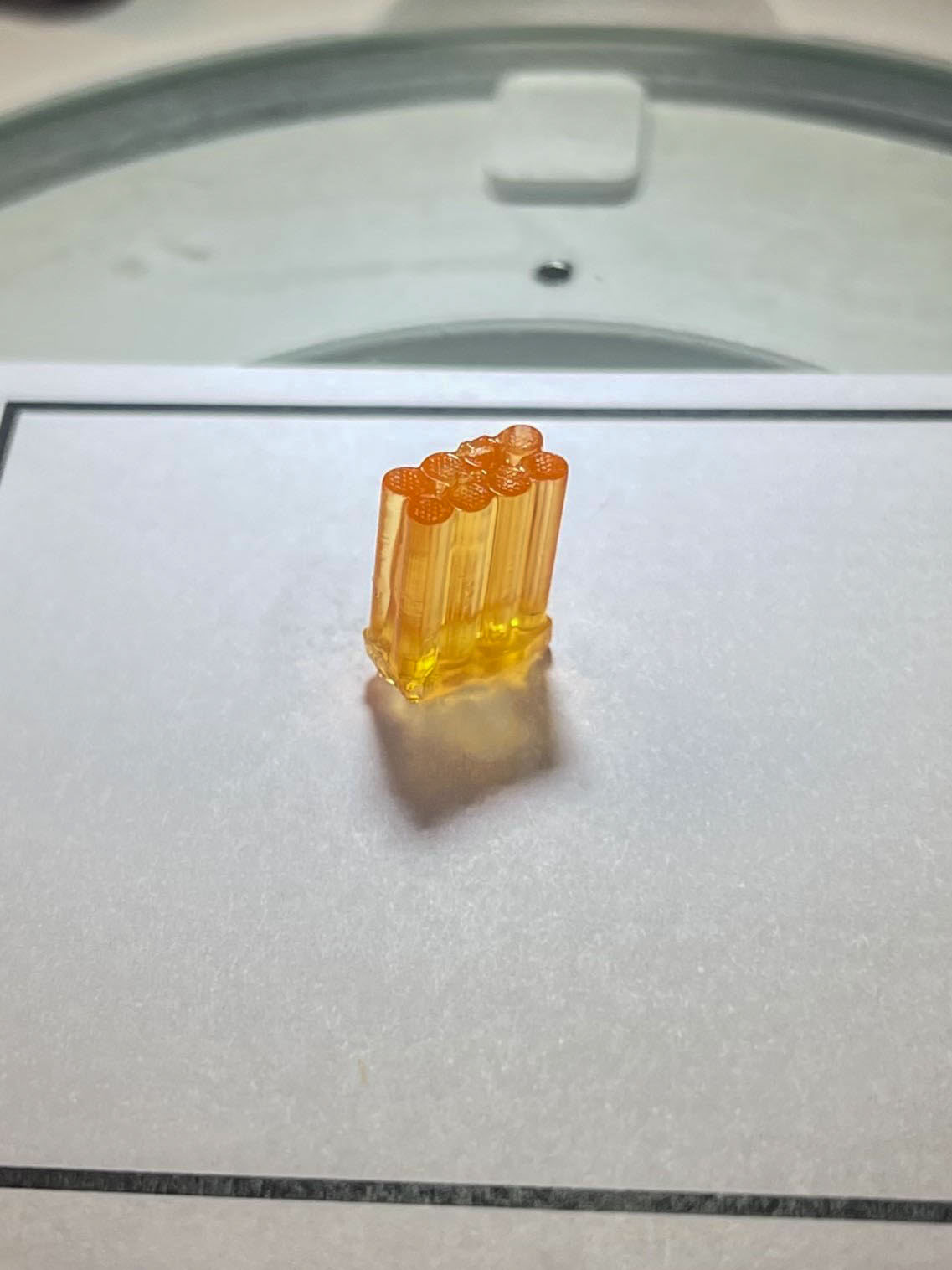
Eight medical implants designed to support nerve regeneration were successfully 3D printed aboard the International Space Station for preclinical trials on Earth. When nerve damage occurs, these types of implants are designed to improve blood flow and enable targeted drug delivery. Printing in microgravity can prevent particle settling, resulting in more uniform and stable structures. In-space manufacturing is helping to advance medical treatments and other technologies while also enabling astronauts to print devices and tools on demand during future missions.


