
Many children who are assessed for speech and oral motor difficulties also face challenges with chewing ability, sensory processing and early development. This is shown in a new doctoral thesis from Karolinska Institutet. The findings may contribute to earlier detection and more accurate assessments of children's needs.
Speech sound disorders (SSD) in children are a common group of developmental difficulties that affect how speech sounds are planned and produced. In her thesis, "Oral Motor, Sensory and Developmental Indicators in Children with Speech Sound Disorders: A Clinical Cohort Study", Helena Björelius studied children, aged 4 to 9, who had been referred for specialist assessment of speech and oral motor difficulties. The aim was to increase understanding of factors beyond speech itself, including chewing efficiency, sensory processing, and medical and developmental risk factors.
The thesis is based on three observational studies. A total of between 143 and 275 children were included in the various sub-studies, and in two of the studies the results were compared with typically developing children of the same age.
Key findings
The findings showed that many children with speech sound disorders experience challenges in several areas simultaneously. Children with motor speech disorders often exhibited reduced chewing efficiency, and many children also had sensory challenges. The study also found that early developmental factors, such as delayed motor development and atypical early communication patterns, were more common among children with more complex difficulties.
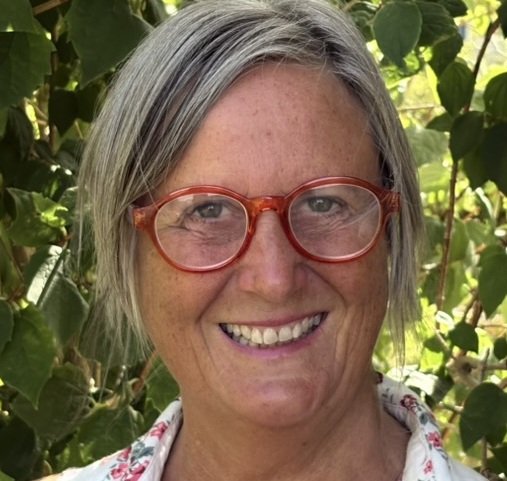
"The aim of this thesis is to increase our understanding of children with speech sound disorders by studying factors beyond speech itself. The goal is to contribute to a more comprehensive understanding of the challenges many of these children face," says Helena Björelius , a doctoral student at the Department of Clinical Sciences, Danderyd Hospital .
Oral motor skills, sensory processing and developmental history
This knowledge may contribute to earlier identification and more accurate assessments of children with speech and oral motor difficulties.
"By not focusing solely on speech but also paying attention to oral motor skills, sensory processing and developmental history, healthcare professionals can gain a more complete picture of the child's needs. This may in turn lead to better-tailored interventions and support for both children and families," says Helena Björelius.
Future plans
There is a wealth of data from the project that can contribute to further research.
"I plan to continue combining clinical work and research. The thesis has raised several new questions about how speech-related, oral motor, sensory and developmental factors interact in children with speech disorders. I therefore hope to continue my research, with a particular focus on developing more comprehensive assessment models and translating research findings into clinical practice," says Helena Björelius
The thesis was supervised by Georgios Tsilingaridis , Karolinska Institutet, Department of Dental Medicine . The public defence will take place on 11 September 2026.


