
It's official: an El Niño has been confirmed and with it, expectations of another record hot-year – most likely in 2027 – and bringing with it the anticipation of extreme weather impacts and disruptions to global food production.
The National Oceanic and Atmospheric Administration (NOAA) has said there is a chance a "very strong" El Niño could form – the first since 2016, adding to growing concerns for the impacts the natural weather phenomenon might cause on an already warmer planet.
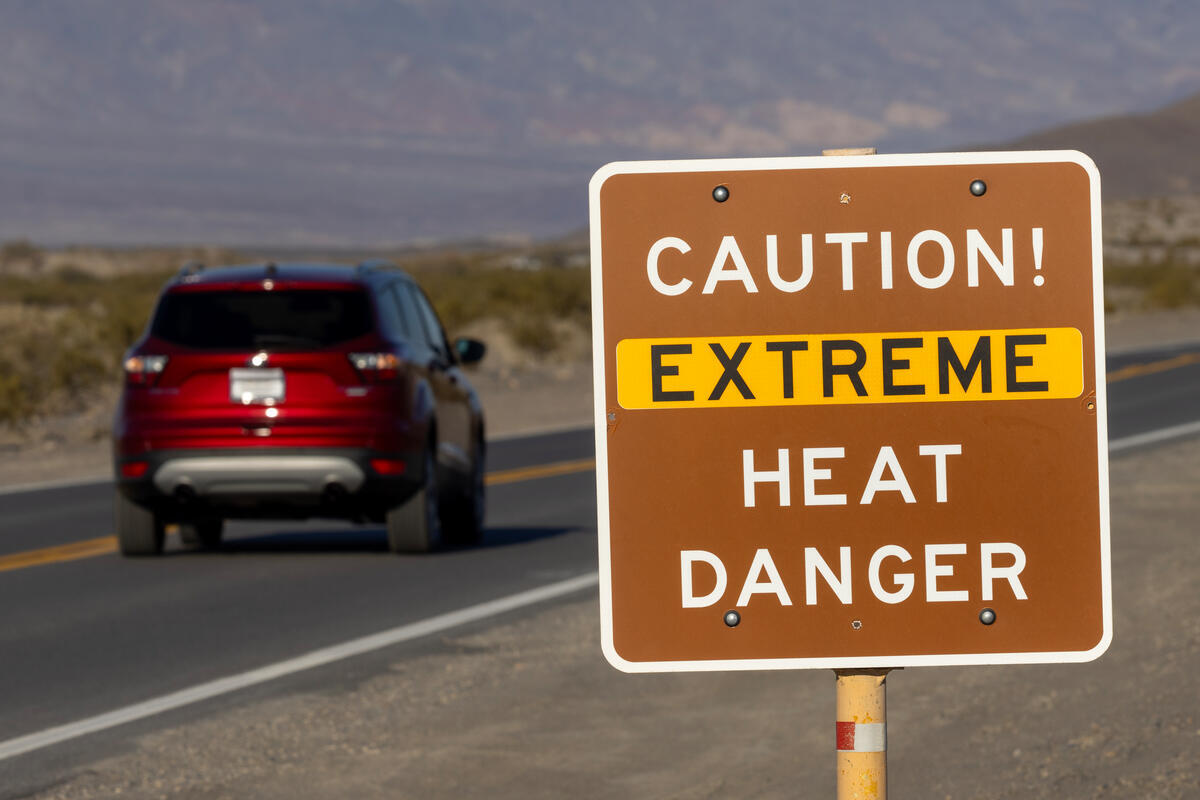
Climate policies and renewable energy could reduce global heating
But there is good news – and bear with me because it is technical: while describing a new set of global emission scenarios, academics recently decided their worst-case scenario of global heating is now considered 'implausible'.
In fact, emissions in the new high scenario are lower than the previous high scenarios, effectively retiring the scenario in which global temperatures could rise by about 4.5°C by the end of the century. This change is thanks to pro-climate policy choices from governments and the massive expansion in renewable energy since the Paris Agreement was reached in 2015.
Instead of welcoming this news, however, the world's chief climate denialist, US President Donald Trump, argued the scientists had been WRONG! WRONG! WRONG. This is not the first time Trump has misrepresented climate science, but it was nevertheless picked up by conservative media outlets and used to undermine climate science.
Other media, however, conducted a fact-check and exposed Trump's mischaracterisation of the data because it's important to understand this worst-case scenario was never the only projected pathway.
Scientists have actually been using a range of scenarios in models to understand what might happen to our climate in the future – based mainly on how much greenhouse gases are emitted from the burning of coal, oil and gas.
So 'retiring' the worst-case scenario was good news and confirmed that the clean energy transition is leading to lower projected global greenhouse gas emissions and a reduction in the projected temperature increase. But it also came with a warning: the most optimistic scenario for the 21st Century was also 'retired' and we cannot rule out extreme warming.
Positive political signals starting to emerge
The UNEP warned last year we are still headed for average warming of 2.3 to 2.5°C by 2100 and the latest round of government climate action plans (NDCs) submitted for the COP30 UN climate talks in Brazil last year failed to bridge the 1.5°C ambition gap.
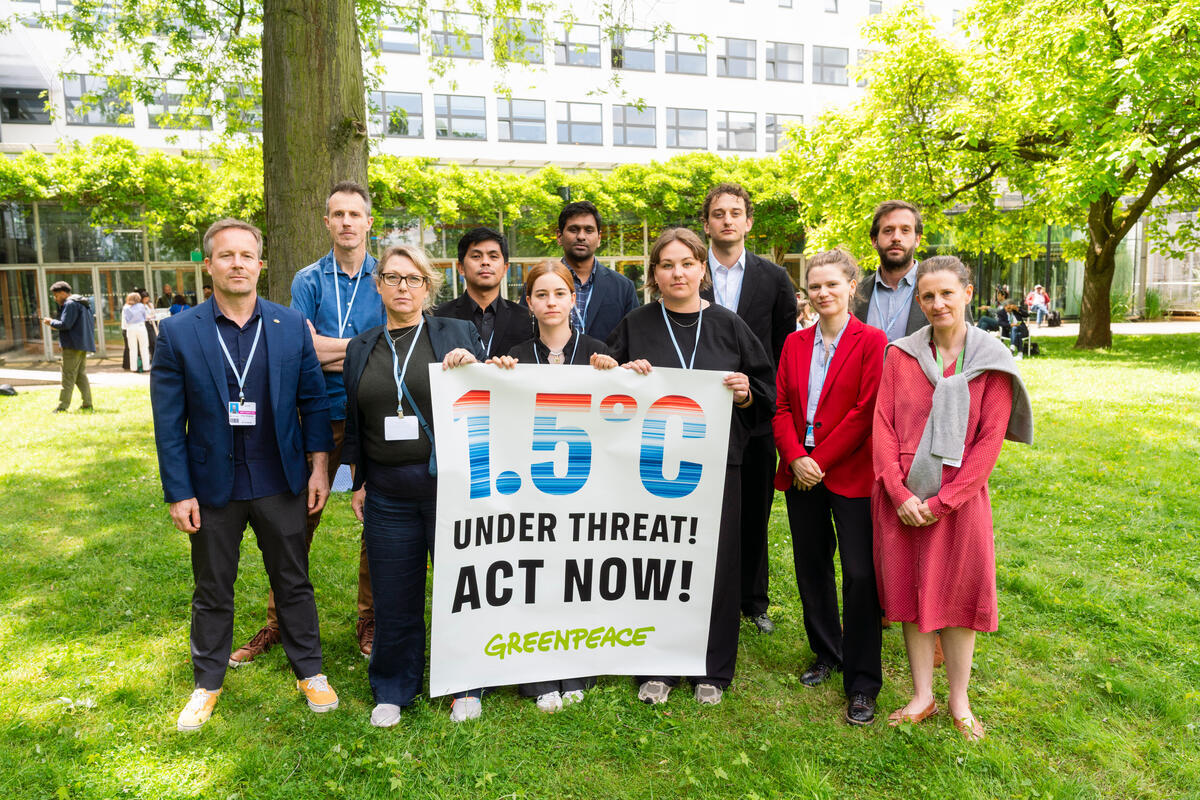
These NDCs combined would only lead to a 12% cut in global GHG emissions by 2035, woefully short of the 60% global reduction needed, compared to 2019 levels.
After COP30 failed to agree on a roadmap to transition away from fossil fuels despite wide support, 57 countries met in Santa Marta, Colombia, in April 2026 to explicitly discuss how to end fossil fuel usage, signalling a clear political shift and hopes of further change.
It's a shift that's been given a strong impetus by the global energy supply shock sparked by the war on Iran, which is inadvertently "supercharging" the world's renewables boom.
Swifter action is needed, however, as the World Meteorological Organization (WMO) said global temperatures are set to stay at or near record levels in the next five years, while May 2026 became the second warmest on record according to Copernicus Climate Change Service.
The impacts of an El Niño: extreme weather and agricultural risks
While climate change is making extreme weather events more frequent and severe, the development of the El Niño can further destabilise an already volatile atmospheric system.
An El Niño often leads to increased rainfall in parts of southern South America, the southern US, parts of the Horn of Africa and central Asia, but drier conditions over Central America, northern South America, the Caribbean, Australia, Indonesia and parts of southern Asia.
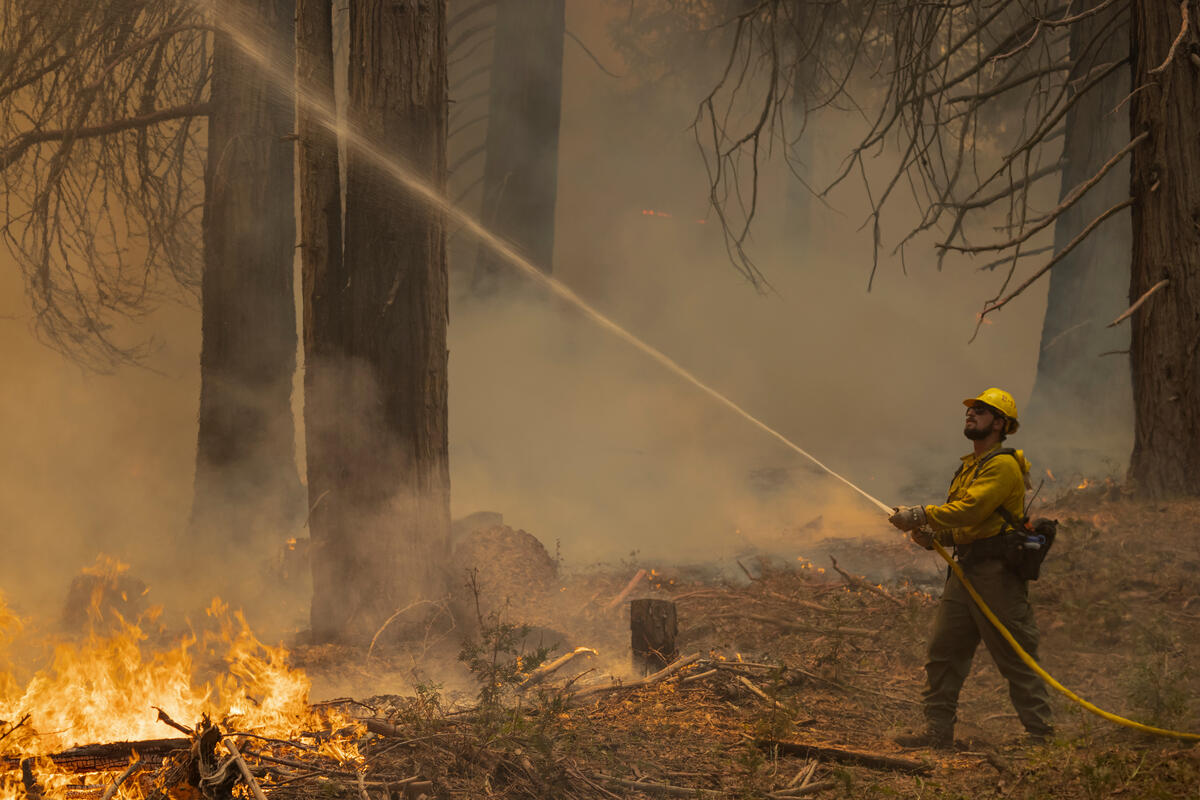
Although an El Niño is notoriously complex, in the words of UN Secretary-General Guterres, it can pour fuel on the fire of a warming world and lead to severe and unpredictable weather.
The onset of drought during the El Niño is another risk, impacting agriculture and raising concerns of failed rains, dying crops and rising food prices. The UN's Food and Agriculture Organization (FAO) warns of risks in the Sahel, Southern Africa, Central America and the Caribbean, in addition to agricultural drought risk across South and Southeast Asia.

Ocean warming and an Earth energy imbalance
NOAA's declaration of an El Niño came after the UN's third World Ocean Assessment (WOA) – found that our ocean is also under mounting stress from overexploitation, pollution and the accelerating impacts of climate change.
The WOA reports that the ocean has already absorbed over 90% of the excess heat and 30% of the carbon dioxide released by the burning of fossil fuels. Alarmingly, however, about 16% of the total increase in ocean heat content since 1955 has occurred since 2018 as surplus heat continues to get stored in the ocean.

Ultimately, the WOA report suggests global heating is worsening as that and other data start to raise concerns about whether climate change is potentially accelerating – an issue discussed at the UN talks in Bonn at the presentation of the Indicators of Global Climate Change (IGCC).
The data presented about the Earth's Energy Imbalance (EEI) – which measures how fast heat is accumulating in the climate system – shows this imbalance has more than doubled in recent decades and is a key factor behind the unprecedented high rate of global warming.
If emission levels continue increasing, this imbalance is expected to become even more lopsided and average temperatures will continue rising.
IPCC next assessment cycle and need for science-informed action plans
The IGCC data gives us a timely insight into climatic changes as we wait for the next reporting cycle from the UN's Intergovernmental Panel on Climate Change (IPCC), which will meet in October 2026 to decide when its 7th Assessment Report (AR7) will be finalised.
At the past five IPCC meetings, countries have been deadlocked over a timeline for this critical three-part assessment report. It's a deceptively important decision that will determine whether the AR7 will be finished by mid-2028 to inform the second Global Stocktake (GST2) of climate action.
It's absolutely vital that the next round of government climate targets are informed by the latest IPCC reports. Any delay to the AR7 timeline would be like postponing a critical diagnosis. As our climate's stability rapidly deteriorates, the treatment becomes harder and more expensive.
At the first global stocktake, at COP28 in Dubai in 2023, the world agreed to transition away from fossil fuels and to end deforestation and forest degradation by 2030. These momentous decisions are now the central element in our efforts to limit global warming to 1.5°C.
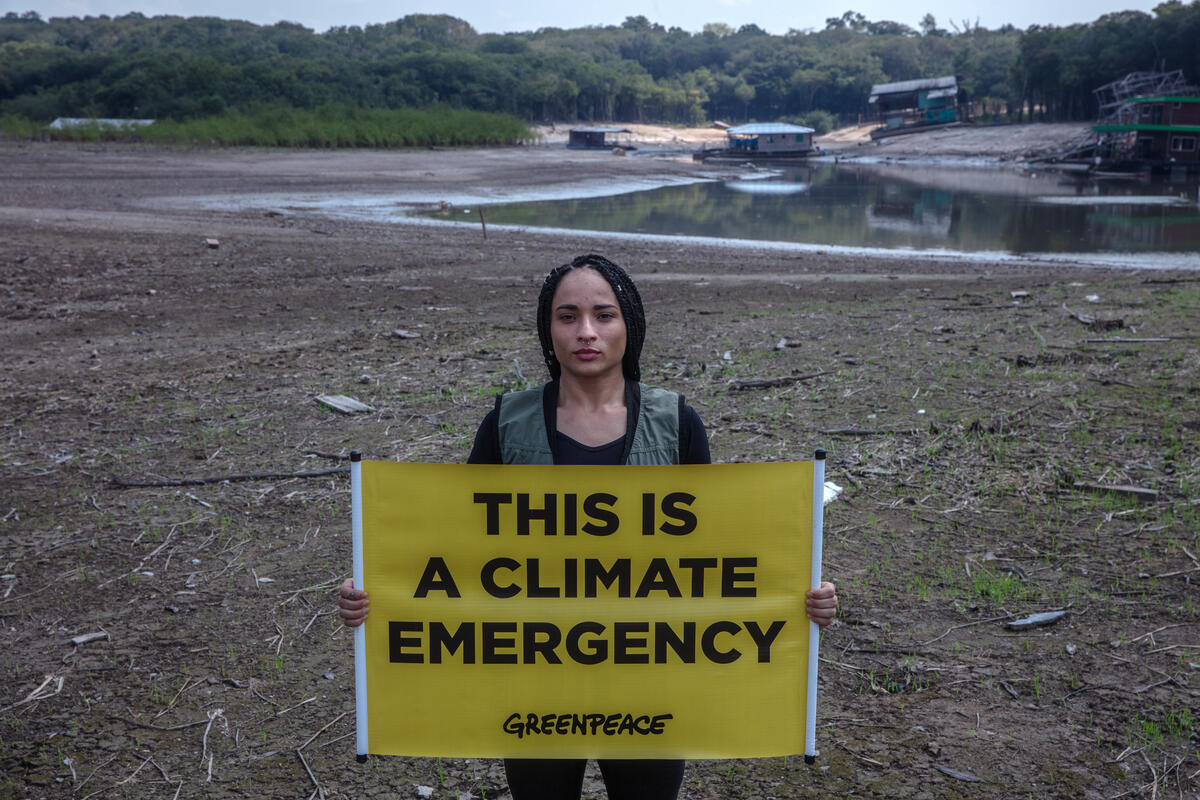
But government action is still dangerously misaligned with the urgency required, threatening the existence of climate vulnerable states such as those in the Pacific and exposing millions around the world to the harms of escalating climate impacts.
In Bonn and elsewhere, we've also witnessed attempts to undermine the scientific basis of action. This is despite the International Court of Justice Advisory Opinion and a subsequent UN resolution calling on governments to align their policies with their legal obligations to limit global warming to 1.5°C.
Speaking after Greenpeace Australia Pacific published a report outlining a Pacific-led vision for the just transition away from fossil fuels, Tina Stege, Climate Envoy for the Republic of the Marshall Islands, said at a press conference in Bonn: "Despite legal and scientific proof, 1.5°C is being questioned and science is under attack." She added that "suggestions that we can adapt to 3°C are tantamount to declaring the Pacific a sacrifice zone."
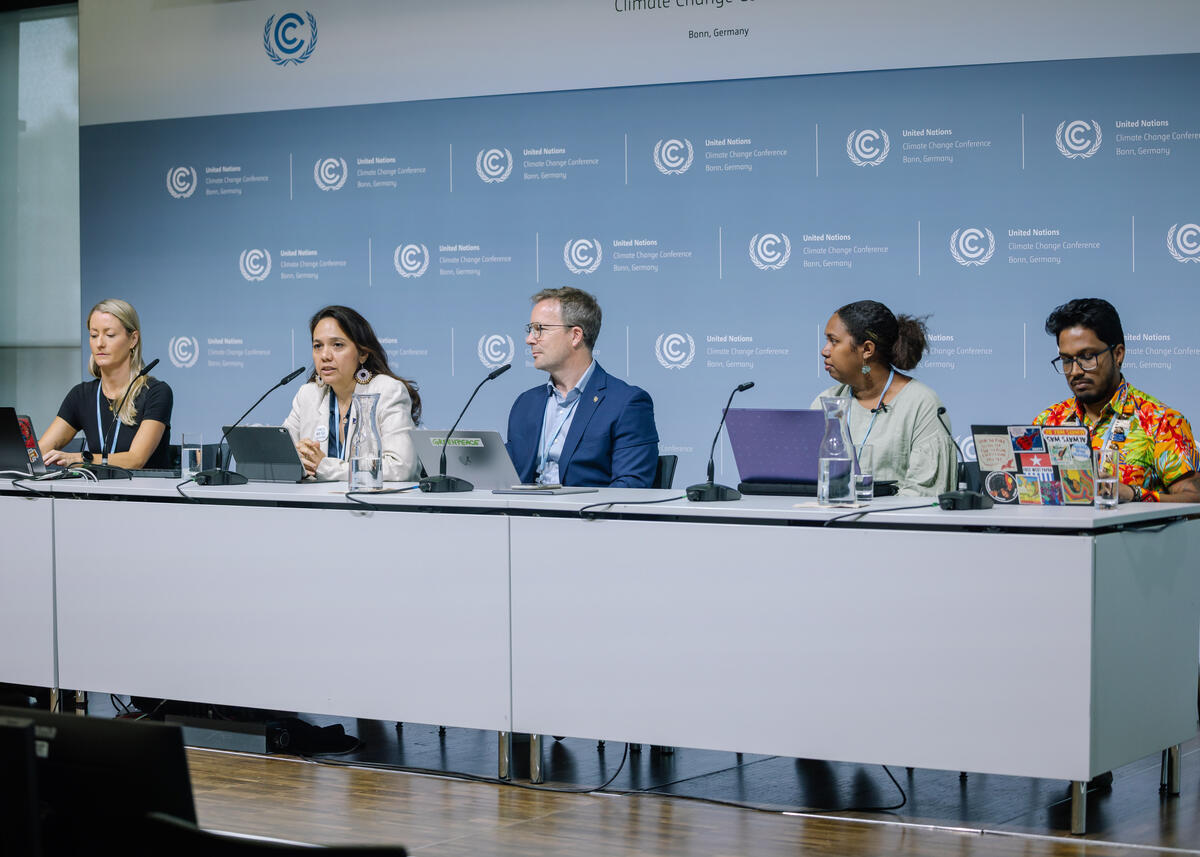
It's a reality check we need to hear, especially as we witness escalating temperatures and now a looming El Niño as our climate edges closer to a 1.5°C exceedance. What matters now is what we do today and tomorrow because no level of warming is safe.
It's mission critical that we defend the emerging political momentum for a just transition and forest protection to give us the best chance of limiting global heating. That involves the development of national fossil fuel phase out roadmaps as part of fair, fast and funded transition plans that protect people and build long-term climate and energy stability.
While we cannot reverse decades of GHG emissions, prevent the formation of an El Niño or future warming, we can help ensure our children have a more stable climate in future. As we enter this supercharged moment and face its unpredictable impacts, we must act with the urgency required for both people and planet – our climate depends on it.
Aaron Gray-Block is a Climate Politics Communications Manager with Greenpeace International.


