
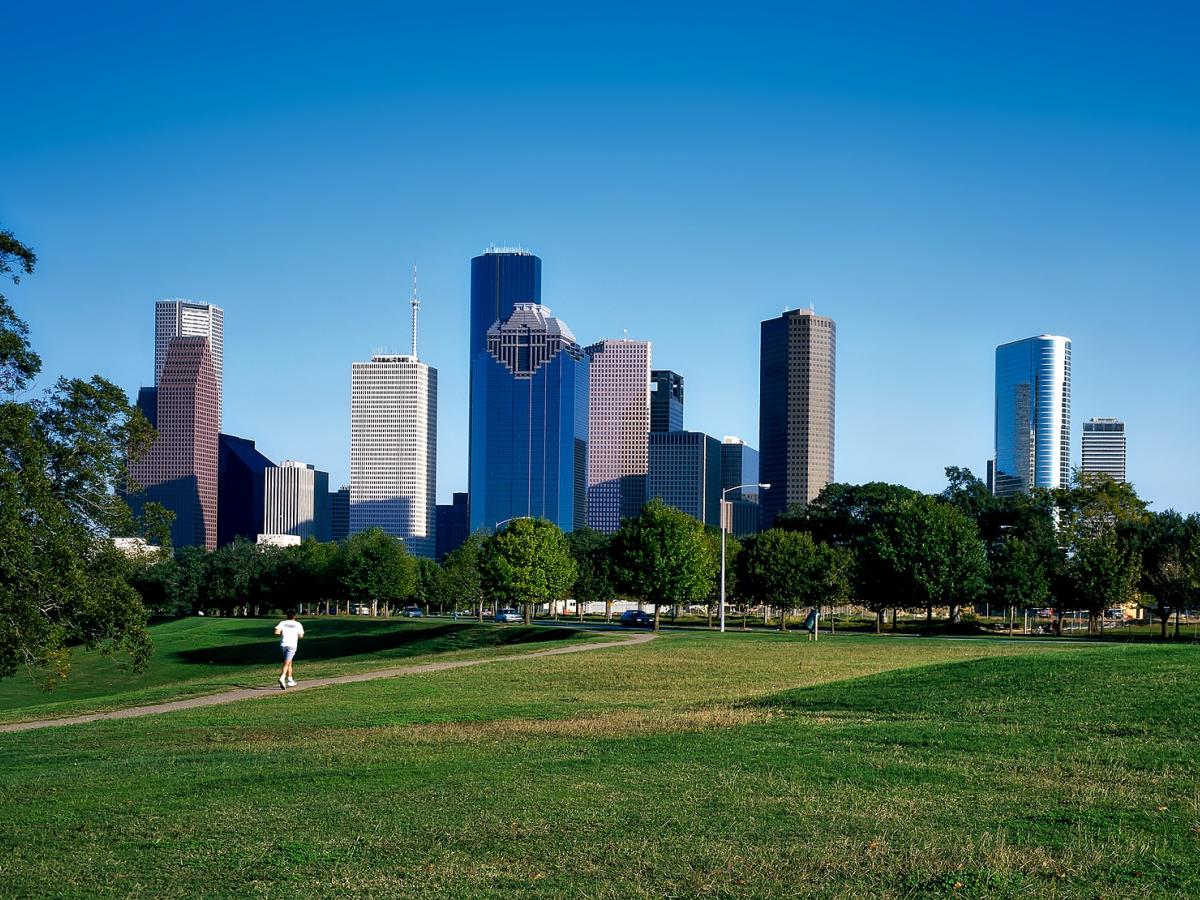
With the climate in Adelaide metropolitan area predicted to be warmer and drier, experts are concerned about the potential impact on a rapidly growing urban population.
The Greater Adelaide population is continuing to grow, with the recent Greater Adelaide Regional Plan projecting a population increase by up to 670,000 people over the next 30 years to reach around 2.2. million by 2051.
"The pressures from urban development, as well as an increase in extremely hot days in Adelaide, will potentially have catastrophic impacts on human health and adversely impact ecosystems and biodiversity", says University of Adelaide's Professor Veronica Soebarto, University of Adelaide's School of Architecture and Built Environment.
"These issues are, however, not only pertinent to Adelaide: cities around the world are experiencing the same issues. It is therefore crucial to take impactful actions now to future-proof our cities against these changes, as quickly as possible."
Professor Soebarto will lead the discussion on multiple issues and solutions at the International Symposium on Green Urban Futures at the National Wine Centre, 3-4 December.
"Urban greening, particularly trees, will not only reduce extreme heat in cities by providing natural shade, cooling through evapotranspiration and reducing heat absorption, it also significantly contributes to the environmental health of cities," says Professor Soebarto.
"Greening cities provides opportunities for increasing biodiversity, mitigating flood and soil erosion, and sequestering as well as reducing carbon emissions.
"At the same time, greenspaces have been demonstrated to contribute to enhance mental wellbeing, by creating spaces for social interaction thus increasing social cohesion."
The symposium is held by the University's Environment Institute in partnership with Green Adelaide, City of Adelaide and Treenet.
"The event will bring together national and international speakers from London, Barcelona, Singapore, Greece and Switzerland, as well as one of the University's strategic partners, University of Surrey, to discuss novel ways to help Adelaide and other cities around the world achieve Green Urban Futures," says Professor Soebarto.
"We invite anyone who is interested, or playing a role, in greening our urban environments to attend and participate in this important event, whether you are policy makers, planners, urban designers, developers, landscape architects and architects, horticulturists, arborists, plant biologists, social scientists, economists, public health specialists, and of course, community members."


