
Looking back at 2025, our oceans have failed a key planetary health check for the first time posing a bigger threat to entire marine ecosystems and the communities whose livelihoods primarily depend on them. In the same year, capitalism significantly continues to serve billionaires deriving ridiculously extreme wealth from their polluting industries -or even having an out of touch lavish Venice wedding– while our planet must keep paying a high price for the environmental damage caused by the impacts of the crisis they helped create.
Then we witnessed COP 30 in Brazil's Belém not long ago, where thousands of Indigenous people participated bringing the demarcation of territories as the main demand to contain the climate crisis to global leaders and governments, making COP30 as the first climate conference with the biggest Indigenous presence ever recorded. Also in the same year, hopeful actions happened worldwide representing the core of Greenpeace's values, and so did some most significant climate victories.
With some of these reflections, here are 6 inspiring books discussing oceans, critiques of capitalism, the Indigenous fight for environmental justice, and hope-for your upcoming reading list next year.
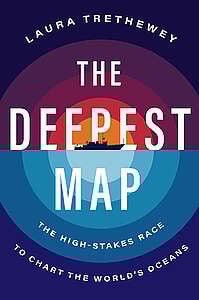
The Deepest Map: The High-Stakes Race to Chart the World's Oceans
by Laura Trethewey (2023)
This book reminds me of the statement saying that people hear more about the moon and other planets in space than what lies beneath Earth's oceans, which are often cited as 'scary' and 'harsh'. Through investigative and in-depth reportage, ocean journalist and writer Laura Trethewey tackles important aspects of ocean mapping.
The mapping and exploration can be very useful to understand more about the oceans and to learn how we can protect them. On the other hand, thanks to neoliberal capitalism, it can potentially lead to commercial exploitation and mass industrialisation of this most mysterious ecosystem of our world.
Just like the ocean itself, The Deepest Map is not as intimidating as it sounds. Instead, it's more exciting than I anticipated as it shows us more discoveries we may little know of: interrelated issues between seafloor mapping, geopolitical implications, ocean exploitation due to commercial interest, and climate change.
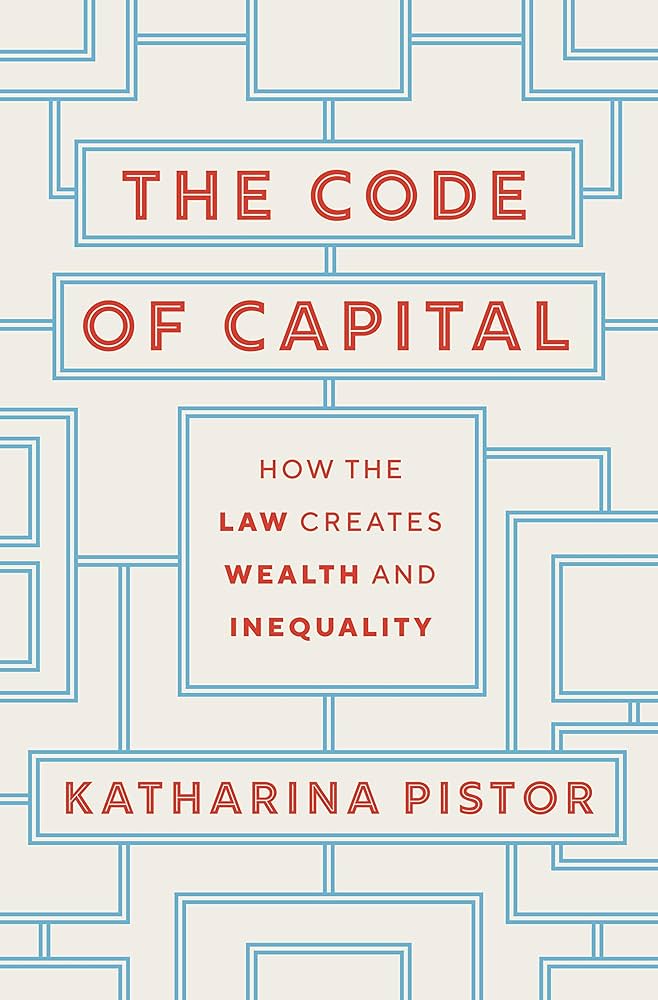
The Code of Capital: How the Law Creates Wealth and Inequality
by Katharina Pistor (2019)
Through The Code of Capital, Katharina Pistor talks about the correlation between law and the creation of wealth and inequality. She noted that though the wealthy love to claim hard work and skills as reasons why they easily significantly generate their fortunes, their accumulation of wealth would not last long without legal coding.
"The law is a powerful tool for social ordering and, if used wisely, has the potential to serve a broad range of social objectives: yet, for reasons and with implications that I attempt to explain, the law has been placed firmly in the service of capital," she stated.
The book does not only show interesting takes on looking at inequality and the distribution of wealth, but also how those people in power manage to hoard their wealth with certain codes and laws, such as turning land into private property, while lots of people are struggling under the unjust system.
The Intersectional Environmentalist: How to Dismantle Systems of Oppression to Protect People + Planet
by Leah Thomas (2022)
Arguing that capitalism, racism, and other systems of oppression are the drivers of exploitation, activist Leah Thomas focuses on addressing the application of intersectionality to environmental justice through The Intersectional Environmentalist. Marginalised people all over the world are already on the front lines of the worsening climate crisis yet struggling to get justice they deserve.
I echo what she says, as a woman born and raised in Indonesia where clean air and drinkable water are considered luxury in various regions, where the extreme weather events exacerbated by the climate crisis hit the most vulnerable communities (without real mitigation and implementations by the government while oligarchies hijack our resources).
I think this powerful book is aligned with what Greenpeace has been speaking up about for years as well, that social justice and climate justice are deeply intertwined so it's crucial to fight for both at the same time to help achieve a sustainable future for all.
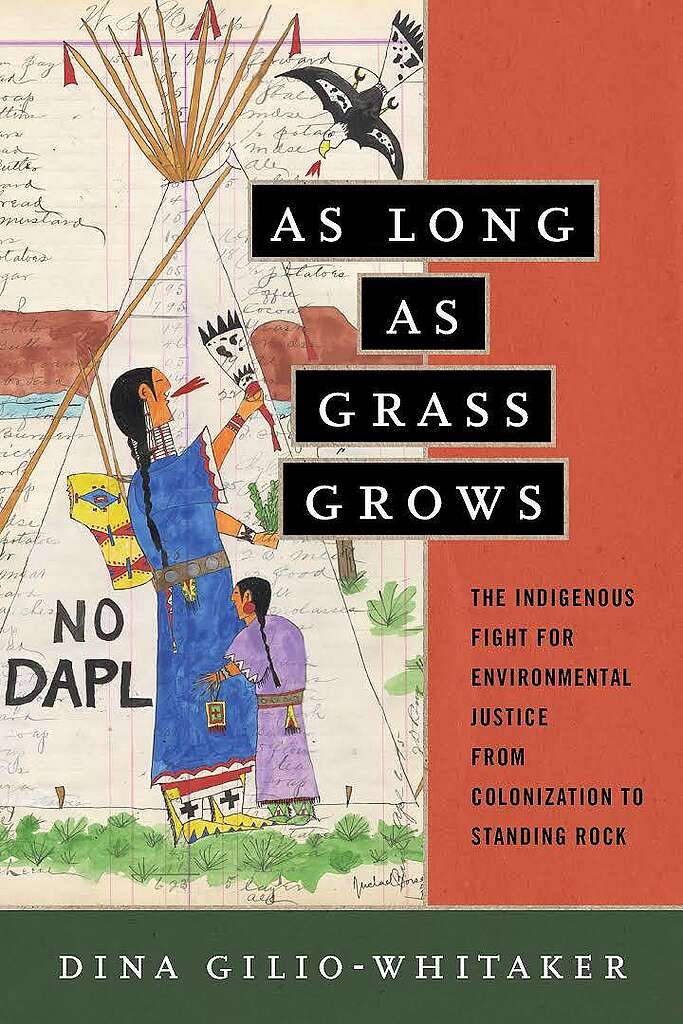
As Long As Grass Grows
by Dina Gilio-Whitaker (2019)
Starting with the question "what does environmental justice look like when Indigenous people are at the centre?" Dina Gilio-Whitaker takes us to see the complexities of environmental justice and the endless efforts of Indigenous people in Indian country (the lands and communities of Native American tribes) to restore their traditional cultures while healing from the legacy of trauma caused by hundreds of years of Western colonisation.
She emphasizes that what distinguishes Indigenous peoples from colonisers is their unbroken spiritual relationship to their ancestral homelands. "The origin of environmental justice for Indigenous people is dispossession of land in all its forms; injustice is continually reproduced in what is inherently a culturally genocidal structure that systematically erases Indigenous people's relationships and responsibilities to their ancestral places," said Gilio-Whitaker.
I believe that the realm of today's modern environmentalism should include Indigenous communities and learn their history: the resistance, the time-tested climate knowledge systems, their harmony with nature, and most importantly, their crucial role in preserving our planet's biodiversity.
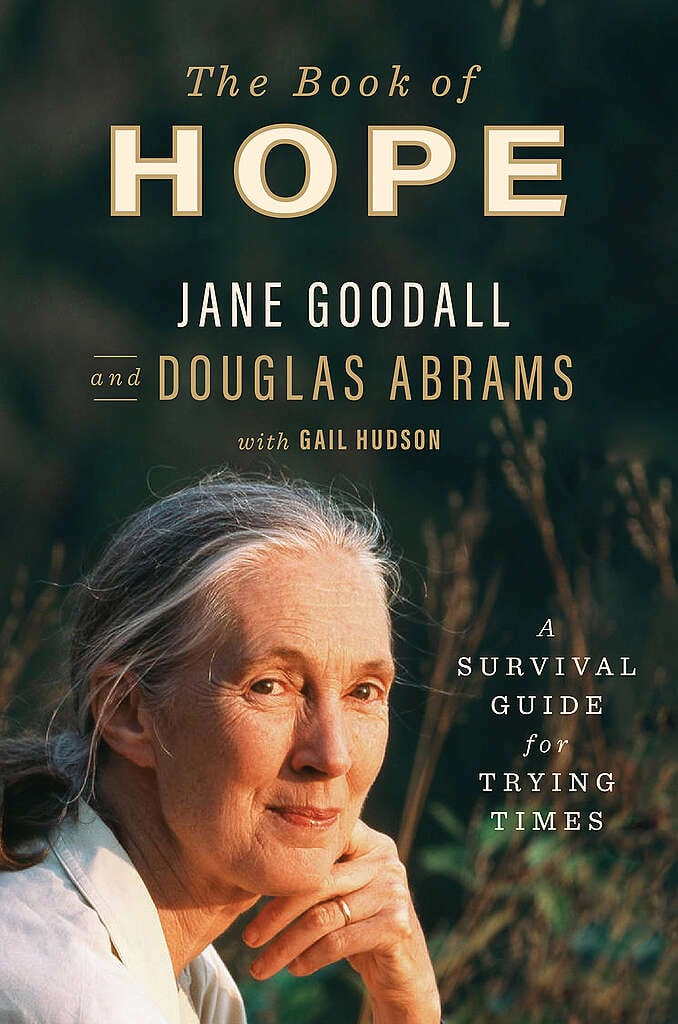
The Book of Hope
by Jane Goodall and Douglas Abrams with Gail Hudson (2021)
The Book of Hope is a marvelous glimpse into primatologist and global figure Jane Goodall's life and work. The collaborator of the book, journalist Douglas Abrams, makes this reading experience even more enjoyable by sharing the reflective conversations between them, such as the definition of hope, and how to keep it alive amid difficult times.
Sadly, as we all know, Jane passed away this year. We have lost an incredible human being in the era when we need more someone like her who has inspired millions to care about nature, someone whose wisdom radiated warmth and compassion. Though she's no longer with us, her legacy to spread hope stays.
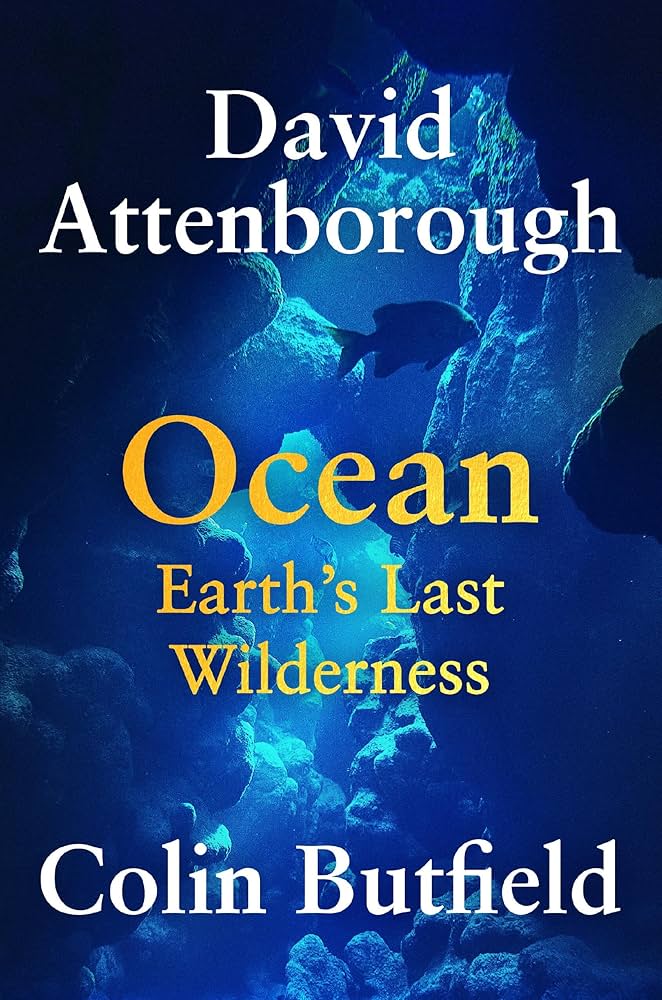
Ocean: Earth's Last Wilderness
by David Attenborough and Colin Butfield (2025)
"I could only have dreamed of recording in the early stages of my career, and we have changed the ocean so profoundly that the next hundred years could either witness a mass extinction of ocean life or a spectacular recovery."
The legend David Attenborough highlights how much humans have yet to understand the ocean in his latest book with Colin Butfield. The first part of it begins with what has happened in a blue whale's lifetime. Later it takes us to coral reefs, the deep of the ocean, kelp forest, mangroves, even Arctic, Oceanic seamounts, and Southern Ocean. The book contains powerful stories and scientific facts that will inspire ocean lovers, those who love to learn more about this ecosystem, and those who are willing to help protect our Earth.
To me, this book is not only about the wonder of the ocean, but also about hope to protect our planet. Just like what Attenborough believes: the more people understand nature, the greater our hope of saving it.


