
Heart failure occurs when the heart muscle cannot pump enough blood to meet the body's needs. About 6.7 million adults in the United States are affected, and about one‑third of adults are at risk of developing it.
Treatment for heart failure relies on medications to improve heart function and relieve symptoms, but many patients continue to struggle with shortness of breath, difficulty doing routine activities and even frequent hospitalizations.
Researchers in cardiovascular medicine at UC Davis Health want to change this. They are hosting a clinical trial, that offers patients a minimally invasive procedure that could reduce extra pressure in the heart and address the source of many of their symptoms.
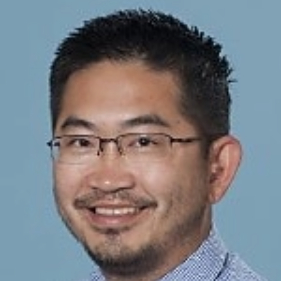
"Historically, heart failure care has relied mostly on medications and treating root causes, leaving patients with stable heart failure with limited interventional choices," explained Tai Pham, assistant clinical professor of interventional and structural cardiology and co-investigator of the study. "This clinical trial is especially exciting because it introduces a new therapeutic approach for a group that has had few options."
"This clinical trial is especially exciting because it introduces a new therapeutic approach for a group that has had few options."-Tai Pham
About the heart failure clinical trial
The new clinical trial tests the Alleviant System, an investigational, non-surgical treatment that aims to improve heart failure symptoms without placing a permanent implant in the heart. UC Davis Health is the only hospital in the Sacramento region enrolling patients in this study.
During the procedure, a cardiologist uses a catheter (a thin, flexible tube) to create a small opening between the heart's left and right atria, or chambers. This seven‑millimeter opening helps move extra blood from the high‑pressure left side of the heart to the lower‑pressure right side. The goal is to reduce congestion and improve symptoms.
"For patients with heart failure, many symptoms come from increased pressure on the left side of the heart," said Pham. "This shunt helps release that pressure, similar to a pop‑off valve."
Patients in the study will receive either the active treatment or a "sham" (fake) procedure. The study is considered blinded, so the patients — nor their doctors — will know which group they are in, to reduce bias or preconceived assumptions. After the procedure, patients will track their symptoms through a well‑known survey called the Kansas City Cardiomyopathy Questionnaire (KCCQ). Patients will also receive an echocardiogram and blood tests to see if their heart function improved.
"Even with today's excellent medications, many of our patients still struggle with heart failure. This gives us a new treatment that is minimally invasive and low‑risk."-Shirin Jiménez
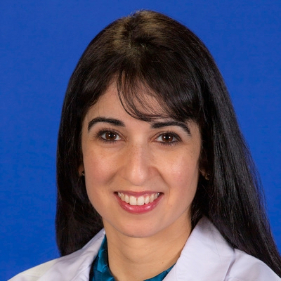
"This technology brings a much‑needed option to patients in our area who are still experiencing symptoms," said Shirin Jiménez, a health services clinical professor of cardiovascular medicine and co‑investigator of the study. "Even with today's excellent medications, many of our patients still struggle with heart failure. This gives us a new treatment that is minimally invasive and low‑risk."
Participation in the clinical trial
For the study, researchers are looking for participants who meet the following criteria:
- Adults aged 40 or older
- Have heart failure symptoms with an ejection fraction of at least 40%
- Able to walk and function independently
- Currently receiving guideline-directed medical therapy (GDMT) for heart failure
- Do not have advanced heart failure, a pacemaker or right heart dysfunction


