
Geneva, Switzerland - The United Nations Institute for Training and Research (UNITAR), in collaboration with the International Training Centre for Authorities and Leaders in Shanghai (CIFAL Shanghai), welcomed a delegation of students from schools partnered with CIFAL Shanghai to Geneva for the 2026 UN Sustainable Development Goals Youth Empowerment Seminar for Change-Makers. The two-day seminar took place on 6-7 July, providing participants with an opportunity to deepen their understanding of the United Nations, the 2030 Agenda for Sustainable Development and the role of youth in advancing the Sustainable Development Goals.
Through a combination of expert lectures, interactive discussions and student presentations, the programme encouraged participants to reflect on global challenges, explore practical ways to contribute to sustainable development, and enhance key leadership and communication skills needed to drive positive change in their communities.
From Global Goals to Youth Action
The programme began with a guided visit to the Palais des Nations, the headquarters of the United Nations in Geneva, where participants gained first-hand insight into the history and work of one of the United Nations' principal centres for multilateral diplomacy.
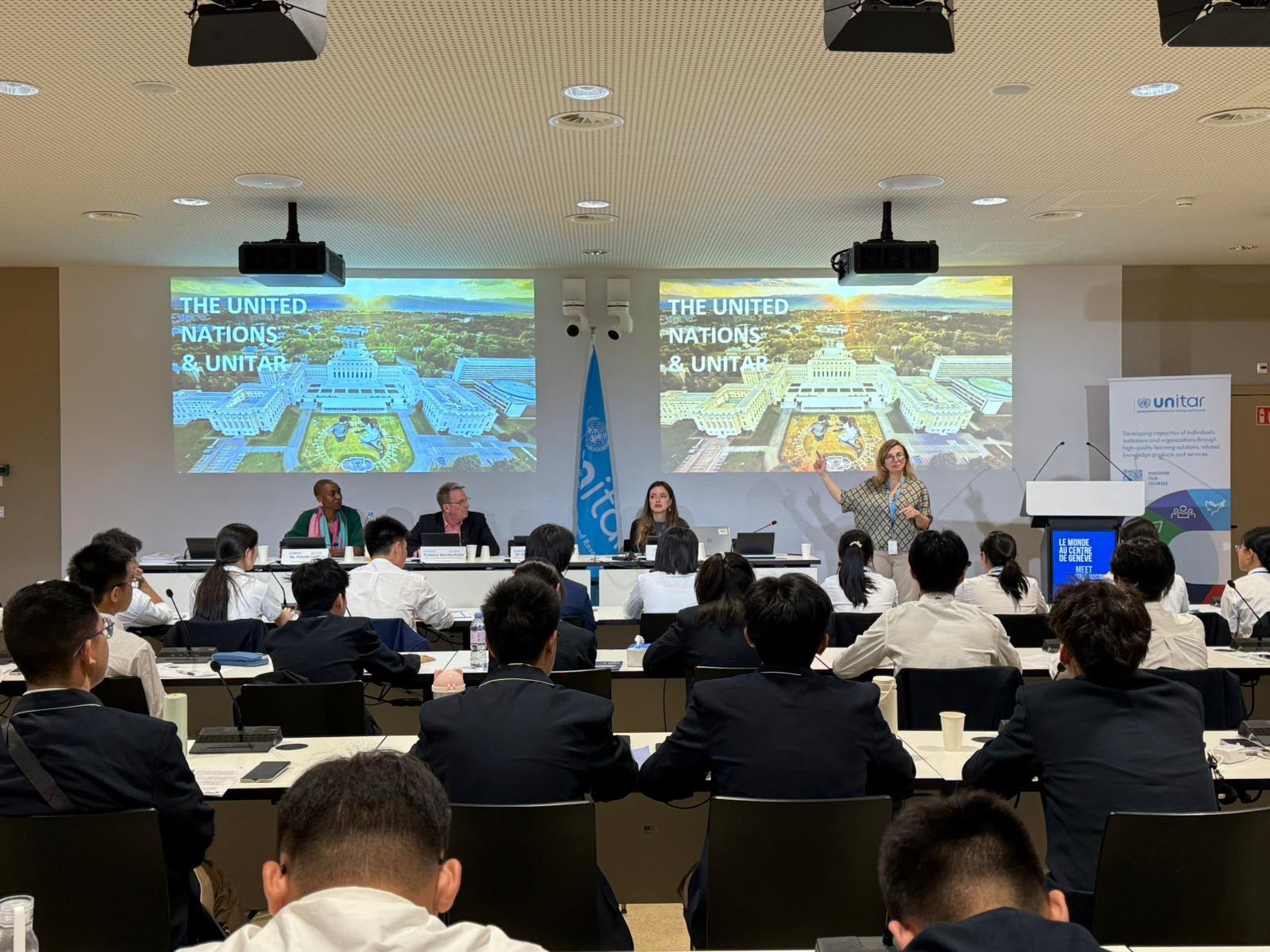
The seminar officially opened with remarks by Ms Ebru Canan-Sokullu, Deputy Director of the Division for People and Social Development of UNITAR and of the CIFAL Global Network, who welcomed the participants and highlighted the importance of empowering young people to contribute to sustainable development through knowledge, collaboration and leadership.
The first sessions were delivered by Ms Adriana López Mendoza, Global Coordinator of the CIFAL Global Network in UNITAR's Division for People and Social Development. She introduced participants to the mission of the United Nations and UNITAR, highlighting the Institute's role in advancing capacity development and lifelong learning focused on youth. She also presented an overview of the 2030 Agenda, the Sustainable Development Goals and the UN Youth 2030 strategy, emphasising the importance of youth participation in sustainable development efforts.
Participants then attended a lecture by Professor Brendon Noble of the University of Westminster, and Director of the Institute for Healthy Urban Living. His session explored the transformative role of artificial intelligence, digital transformation, and innovation in shaping healthier, more sustainable, and resilient cities. Emphasizing the critical role of youth as future leaders and innovators, Professor Noble highlighted why it is essential for young people to actively engage with emerging technologies and evolving digital environments to address complex global challenges, advance sustainable urban development, and contribute to healthier communities.
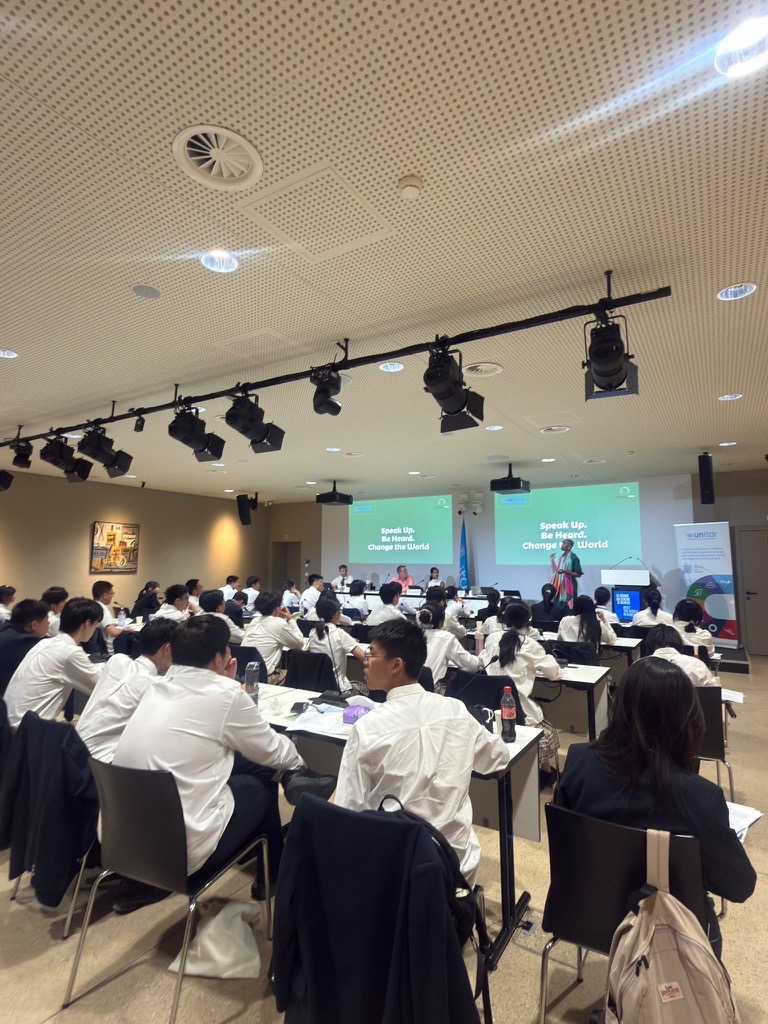
In the afternoon, Ms Priscilla Leigh, psychoaudiology expert, coach and speaker, delivered a session entitled "SDGs: Speak Up. Be Heard. Change the World". Drawing on examples of leadership in diverse contexts, she encouraged participants to develop the confidence, resilience and collaborative skills needed to become effective changemakers in their communities. She also provided practical guidance on strengthening both written and verbal communication skills.
A key component of the seminar were the student group presentations on "How Youth Can Support the Sustainable Development Goals". Working collaboratively, participants developed and presented their ideas on how young people can contribute to achieving the SDGs through innovative projects and community-based actions. The presentations provided an opportunity for students to transmit their perspectives, receive feedback and reflect on the important role that youth can play in advancing sustainable development through locally driven action.
Closing Remarks
The programme concluded with closing remarks by Ms Ebru Canan-Sokullu, who congratulated participants on their active engagement throughout the seminar and commended their commitment to sustainable development. She underscored the vital role of youth in achieving the Sustainable Development Goals and broader international agendas, emphasizing that meaningful global progress begins with individual action and that collective change is built through the contributions of committed individuals and communities. Ms Canan-Sokullu encouraged the participations to continue applying the knowledge and skills gained throughout the seminar in their academic, professional, and personal lives.
By bringing together young people to learn, exchange ideas and develop practical solutions, the UN Sustainable Development Goals Youth Empowerment Seminar for Change-Makers reaffirmed UNITAR and CIFAL Shanghai's shared commitment to empowering the next generation of leaders and supporting youth engagement in the achievement of the Sustainable Development Goals.


