
New York, USA - UNITAR's office in New York, in partnership with the University of Kansas School of Law and the University of Utah S.J. Quinney College of Law, hosted a half-day programme on December 4th at UN Headquarters titled Strengthening Pathways for Indigenous Peoples' Representation at the UN. Grounded in the principles of self-determination set forth in the United Nations Declaration on the Rights of Indigenous Peoples (UNDRIP), the programme offered participants a comprehensive introduction to the legal, historical, and procedural landscape shaping Indigenous Peoples' engagement with the United Nations. The session aimed to deepen understanding of the structural barriers Indigenous communities face while highlighting opportunities for strengthening their full, direct, and meaningful participation across the UN system.
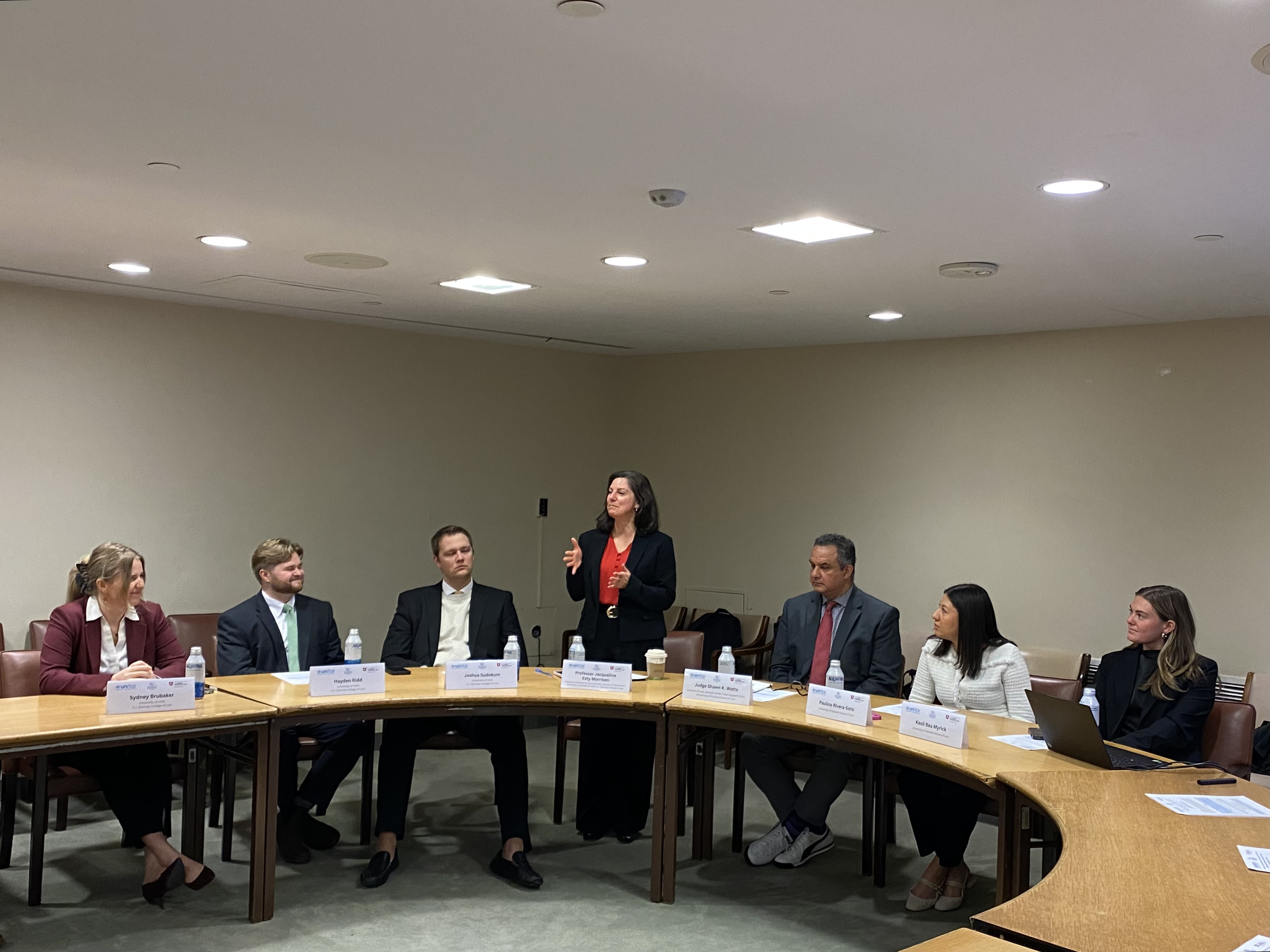
The session opened with remarks from Judge Shawn K. Watts of the University of Kansas School of Law and Professor Jacqueline Esty Morrison of the University of Utah S.J. Quinney College of Law. Through interactive group discussions, participants examined the different relationships between Nations and Indigenous Peoples before moving into an exploration of the history and evolution of UNDRIP.
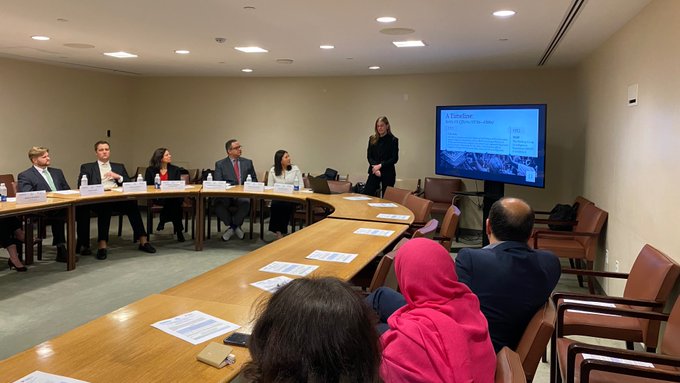
Building on these discussions, the programme guided participants through a clear overview of the history, development, and core principles of UNDRIP. Facilitators explained how the Declaration came into being and how its key ideas continue to guide the UN's work on Indigenous Peoples' issues today. The session highlighted how UNDRIP serves as an important reference point for understanding rights, responsibilities, and effective engagement within the UN system.
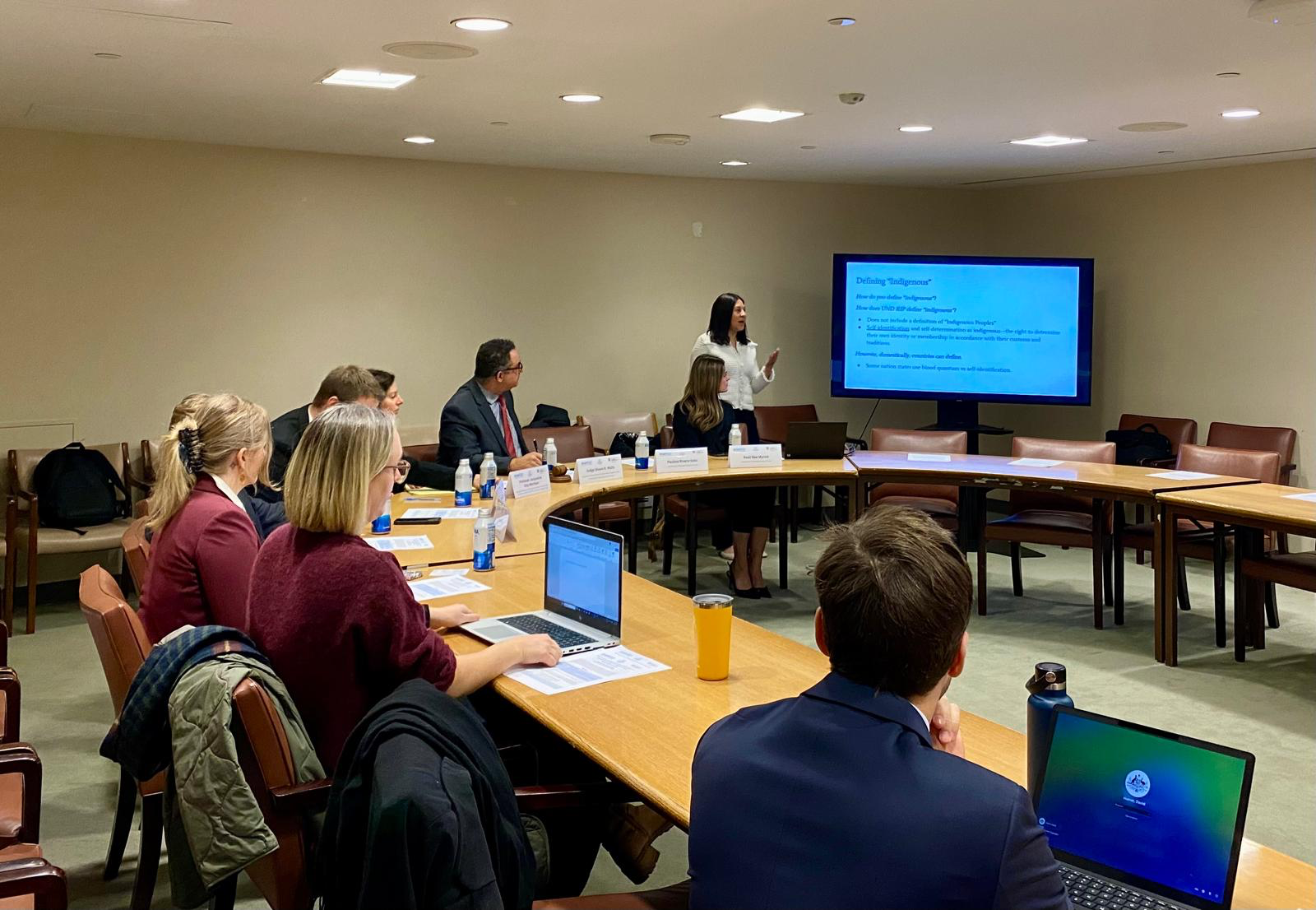
The training concluded with an in-depth review of the UN's key engagement mechanisms-including the Expert Mechanism on the Rights of Indigenous Peoples (EMRIP), the Special Rapporteur on the Rights of Indigenous Peoples, and the Permanent Forum on Indigenous Issues-as well as support structures such as the UN Voluntary Fund and the System-Wide Action Plan (SWAP). The course strengthened participants' capacity to navigate UN processes and underscored UNITAR's ongoing commitment to promoting Indigenous Peoples' representation within the UN system.


