
The T-7A Red Hawk has officially been cleared for production. Following Milestone C approval on April 23, the Air Force is moving forward with a $219 million contract for the first 14 advanced trainer aircraft along with associated spares, support equipment, and training from Boeing Defense, Space & Security.
This achievement marks a pivotal moment for the T-7 Advanced Pilot Training Program. It follows a year of focused progress under an "active management" strategy, a collaborative effort between the Air Force, Air Education and Training Command, and Boeing.
This approach, aligned with the Department of the Air Force's acquisition transformation directives, is designed to optimize both programmatic and operational risk to deliver capabilities to the warfighter as quickly and safely as possible.
"Reaching Milestone C is a testament to the dedicated government and industry teams who have worked diligently to overcome complex technical hurdles," stated William Bailey, Performing the Duties of the Assistant Secretary of the Air Force for Acquisition, Technology, and Logistics. "The T-7A is a pivotal program for the future of our combat air forces, and entering production brings us one step closer to putting this essential capability into the hands of our instructor pilots and students."
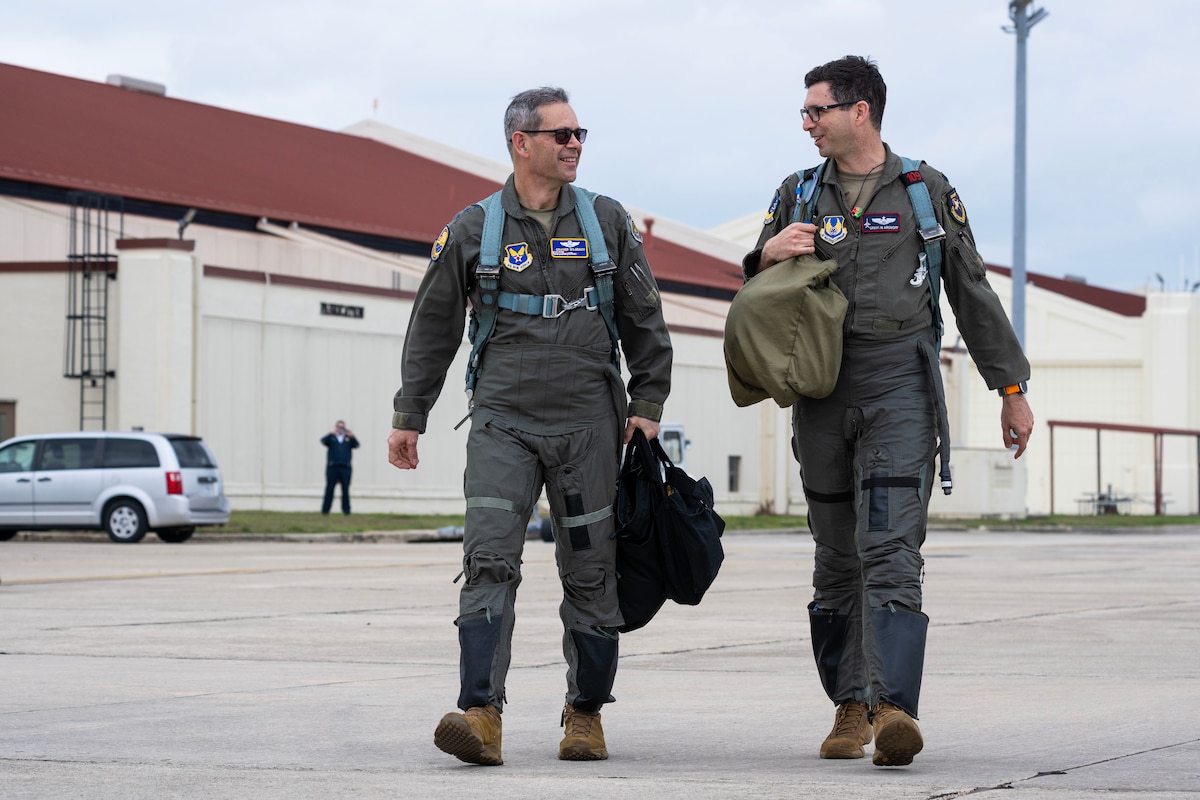
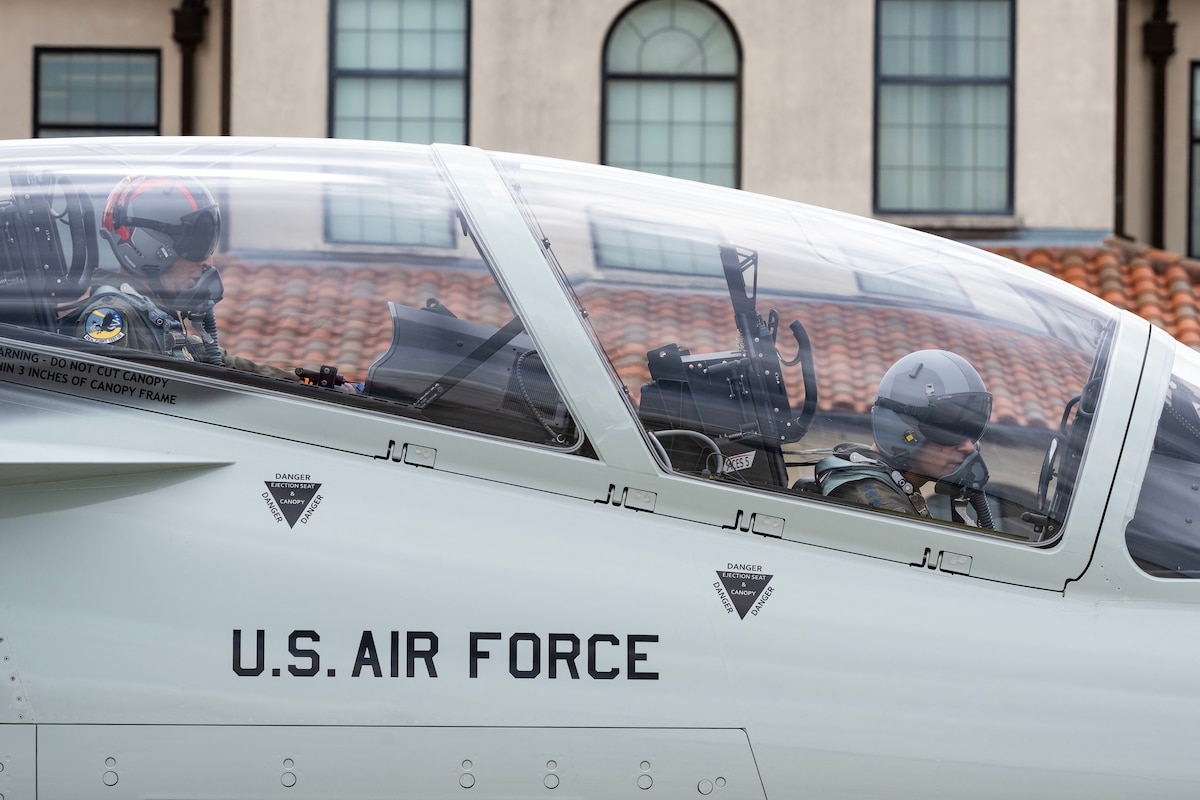
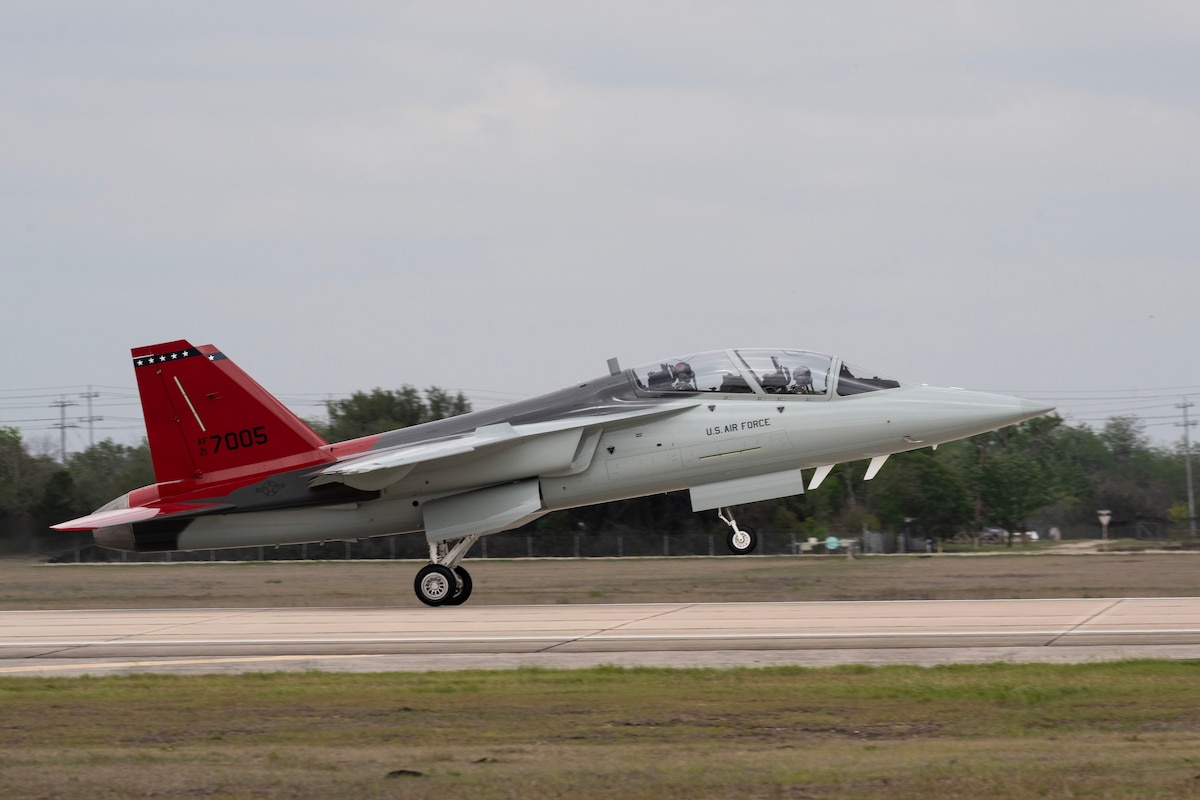
The T-7A Red Hawk is the first Air Force aircraft to be designed and built using all-digital methods, a process intended to streamline development, production and sustainment. The platform's advanced systems will equip student pilots with the skills necessary to transition to 4th, 5th, and 6th generation fighters and bombers.
This Milestone C decision is the first of several in an innovative, phased approach. The directorate's T-7A Program Office will seek approval for each of the first three low-rate initial production lots individually. This allows the team to manage concurrency risk by incorporating insights from ongoing developmental testing and other program progress before committing to subsequent production lots.
"Receiving Milestone C approval is monumental," said Rodney Stevens, Program Executive Officer for Training and Director of the Air Force Life Cycle Management Center's Training Directorate. "It signifies our confidence in the aircraft's design and our readiness to begin producing this game-changing capability at rate with Air Education and Training Command. While there is still work to do, we have a strong partnership and a clear path forward to deliver the world's most advanced pilot training system."
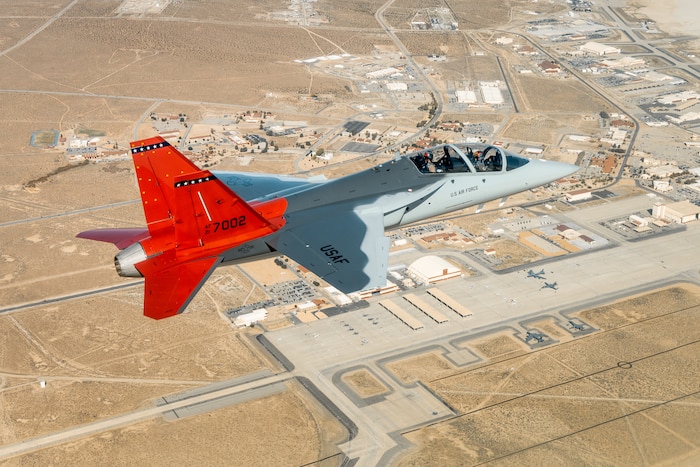
The broader program of record includes the delivery of 351 T-7A aircraft and 46 ground-based training simulators to five AETC bases over the next decade.
"Our mission is to train the next generation of combat aviators, and the T-7A Red Hawk is the tool we need to do it," said Brig. Gen. Matthew Leard, Director of Plans, Programs, Requirements, and International Affairs at AETC. "Replacing our 60-plus-year-old T-38s is a top priority. The T-7A's advanced systems will give our students a far more realistic training environment, ensuring they are prepared for the cockpits of the future."
With the goal of achieving Initial Operational Capability for the T-7A by 2027, the program office will remain focused on completing the Engineering and Manufacturing Development phase, while supporting the initial cadre of instructors and maintainers as they build the foundation for the next generation of Air Force Pilot Training.


