
By Joey Garcia, University Communications and Marketing
As new energy systems such as solar and energy-storage batteries connect to the nation's electric grid, utilities are collecting further data and changing how they operate the grid. The challenge is turning that growing stream of information into an early warning when problems emerge. Through a $3.8 million grant from the U.S. Department of Energy, University of South Florida researchers aim to change that.
USF Professors Linling Fan, Zhixin Miao and their Smart Grid Power Systems Lab are collaborating with Tampa Electric to develop a digital twin - a virtual copy of the utility's power system. Using real-time data from TECO facilities, the computer model continuously mirrors real-world grid conditions.
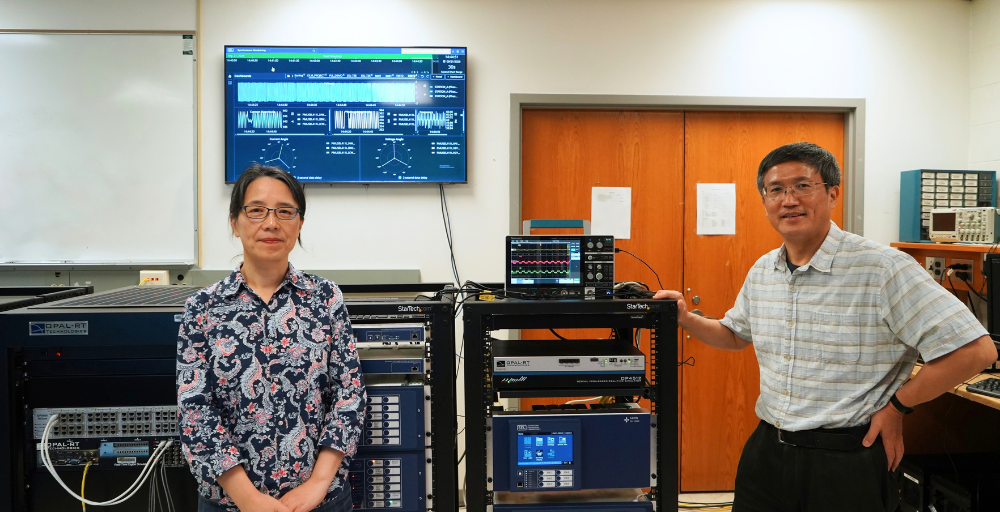
USF Professors Linling Fan and Zhixin Miao with thier digital twin technology
This tool will provide customers with a more reliable utility system. A digital twin can help identify abnormal behavior earlier, determine where a disturbance originated and provide information that supports a faster response. As the power grid becomes more complex, those capabilities become increasingly valuable.
Lingling Fan
USF Professor
For TECO, the technology could become a valuable addition to utility operations, giving operators greater real-time insight into a power system serving about two million people, according to Patrick Shell, TECO's senior director of special projects.
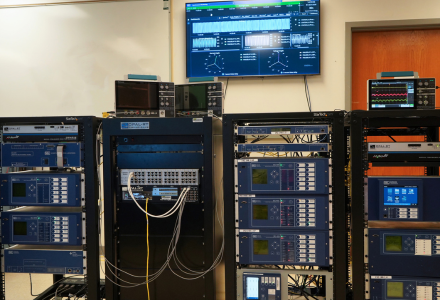
Equipment in USF's Smart Grid Power Systems Lab, consisting of real-time simulators and grid-monitoring systems, supports the development of digital twin technology
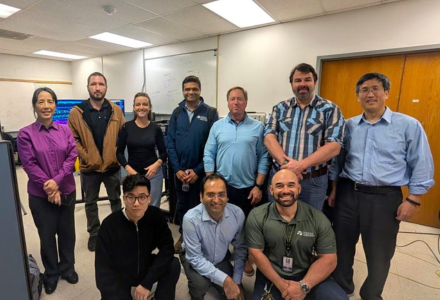
Members of TECO with the USF Smart Grid Power Systems Lab
"Partnerships like this demonstrate how researchers and industries can collaborate to solve real-world challenges," Shell said. "By combining Tampa Electric's operational expertise and data with USF's cutting-edge research, we're advancing technologies that can support ongoing reliable electric service and strengthen grid operations for the future. As more energy resources are added to the grid, capabilities like these will play an increasingly important role in powering the communities we serve."
CREATING AN EFFECTIVE VIRTUAL COPY
New standards from the North American Electric Reliability Corporation, which sets reliability standards for the nation's electric grid, are requiring utilities to collect more detailed data from their power systems. As that information is gathered and grows, the next step is putting it to work and growing capability to understand, validate and manage how changing energy sources interact with the grid.
"The challenge is no longer collecting the data," Fan said. "We need to figure out how to use it effectively. This digital twin is a practical tool that can convert large amounts of real-time information into meaningful insights that help utilities improve grid reliability and operations."
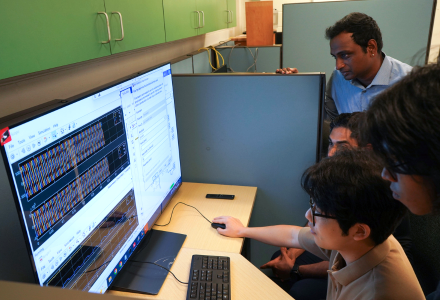
A real-time simulator acts like a virtual power grid, producing electrical measurements that are sent through a secure network and turned into data that researchers can study
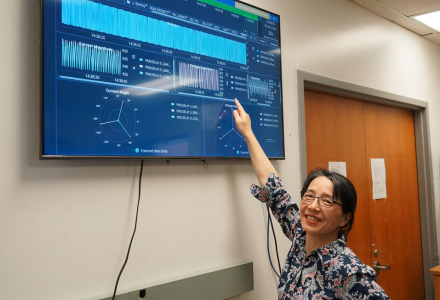
Data streams are displayed in real time using Schweitzer Engineering Laboratories' synchrowave monitoring software
To build the digital twin, sensors installed at TECO facilities continuously collect electrical measurements such as voltage and current, transmitting the data to the USF lab through a secure communications network. Researchers use the information to create and constantly update a virtual replica of the utility's power system, allowing the model to mirror real-world operating conditions on the spot.
As new measurements arrive, the digital twin continuously analyzes the data for signs of abnormal behavior. One example is an oscillation, an unwanted fluctuation in power system measurements that can indicate something on the grid is not operating correctly.
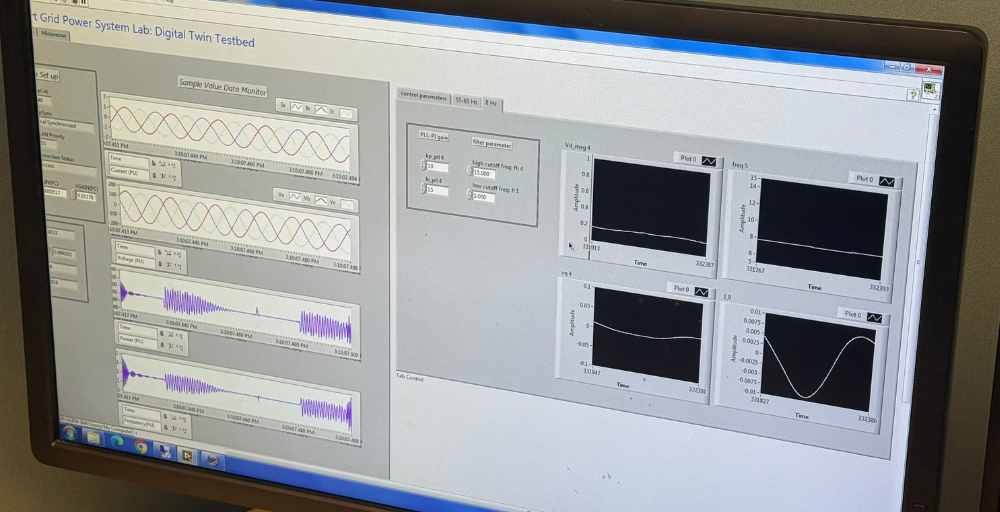
An oscillation showed on USF's digital twin testbed, designed to help utilities identify disturbances before they grow into larger reliability issues
By comparing data from multiple locations, the system can help determine where the disturbance originated and identify what facility may be contributing to the problem. In severe cases, unchecked oscillations can force equipment or power lines offline, making early detection and source identification a valiable tool for preventing larger reliability issues.
Our electric grid is critical infrastructure for our communities, and its complexity grows as new energy resources come online. Real-time monitoring, predictive analytics and digital twin technology give us deeper insight into grid conditions, helping us identify trends, evaluate potential actions and make informed decisions to keep delivering the reliable power our customers depend on, even as challenges arise.
Patrick Shell
TECO's Senior Director of Special Projects
FROM THE LAB TO THE GRID
The USF SPS Lab is now preparing for field-scale demonstrations with DOE officials by the end of 2026.
During the demonstration, data from TECO will flow into the SPS Lab, where the team will show how the digital twin analyzes changing conditions and traces disturbances across the system.
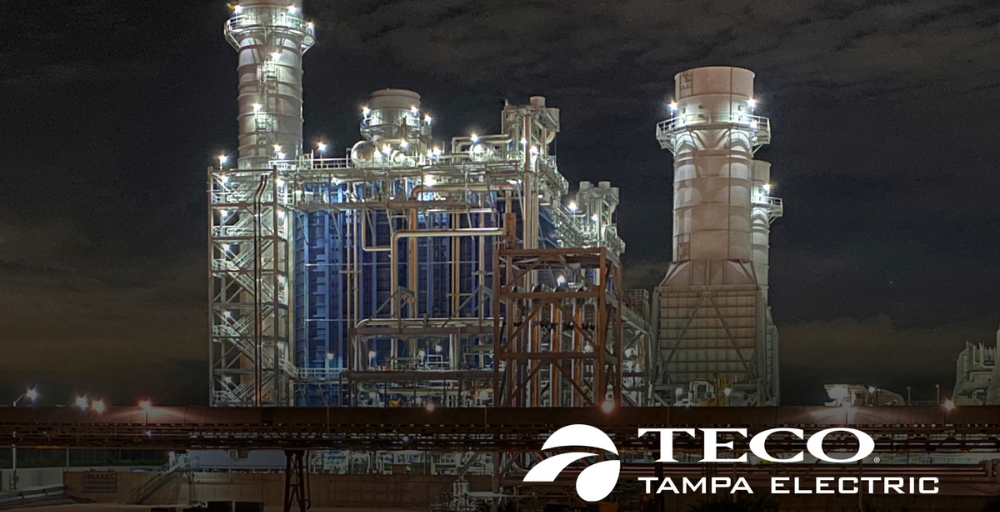
Tampa Electric's Big Bend Power Station in Apollo Beach, one of the utility's largest power generation facilities [Photo courtesy of Tampa Electric]
While the technology is being demonstrated with TECO, researchers say other utilities facing similar challenges could eventually adapt it as more energy resources connect to the nation's power grid. Once fully developed, TECO says it will install the digital twin at its operations center.
"The digital twin would provide utilities with actionable information about grid health, support better decision-making and improve situational awareness," Fan said. "Ultimately, success means a more reliable power grid and tools that can help utilities manage increasingly complex power systems."


