
In the United States, universities and independent research are under attack by the country's president. "A similar trend is unfolding in several countries and could eventually affect Sweden too," says Karolinska Institutet's President.
Text: Anders Nilsson, published in the Swedish magazine Medicinsk Vetenskap no 3 2025.
The United States has long been regarded as the world's leading research nation, a status cemented in the aftermath of the Second World War. But now, American research and higher education policy is being fundamentally reshaped by President Donald Trump, with global repercussions.
In democratic societies, research and higher education typically enjoy considerable autonomy in their pursuit of knowledge, commonly referred to as academic freedom. This principle has long been a cornerstone of the American research system and its universities. However, Trump's new approach marks a departure from that tradition. Federal research funders such as the National Institutes of Health (NIH) have been politicised and are now barred from funding certain types of research. Keyword lists are used to identify and exclude studies deemed undesirable. Topics like gender differences, equality, vaccines, climate change and green energy. Public funding is withheld from universities to force concessions. European researchers travelling to the United States for work now consider precautions normally reserved for visits to authoritarian regimes.
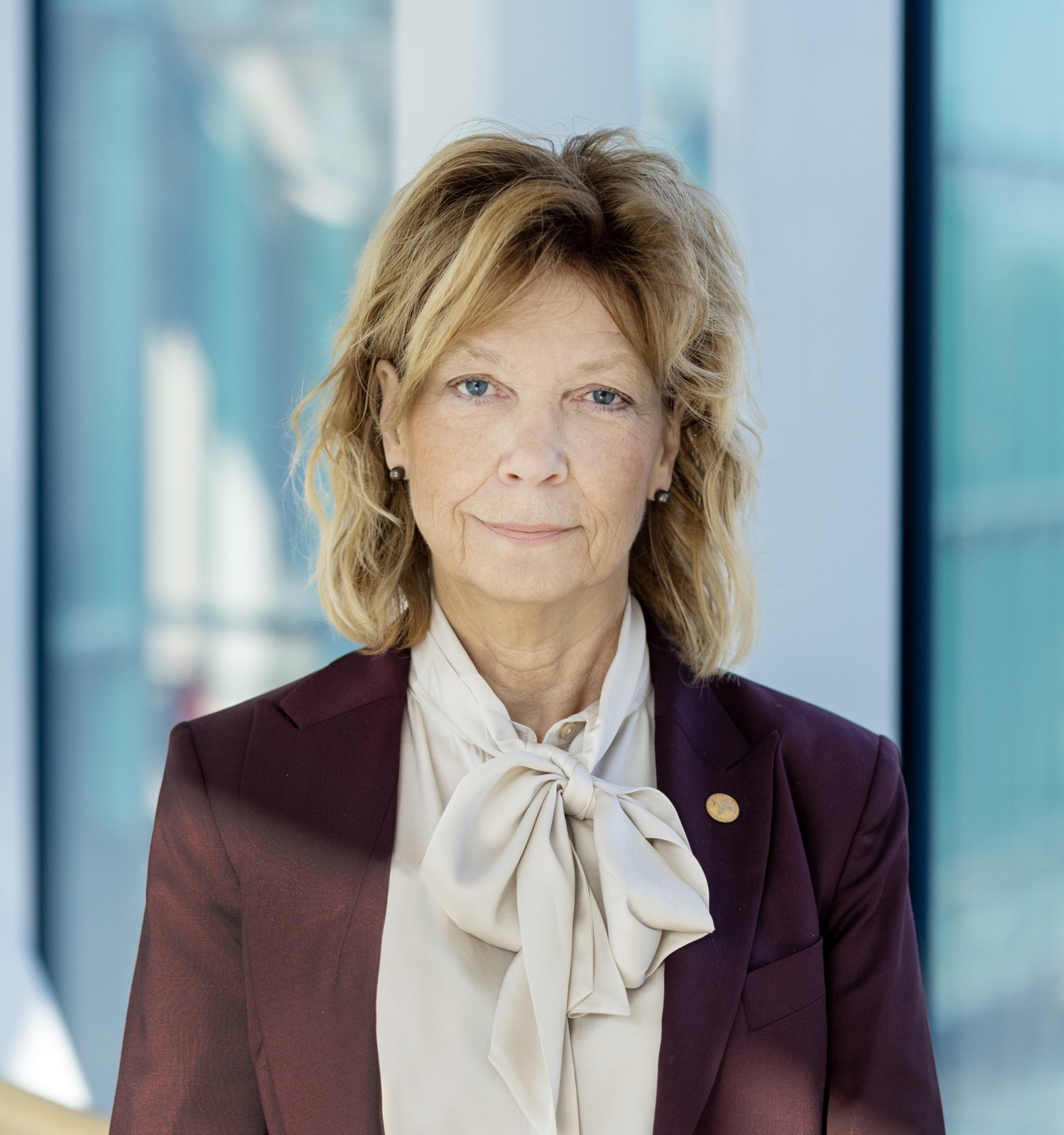
Karolinska Institutet's President, Annika Östman Wernerson , describes developments in the United States as a serious assault on academic freedom. Given the country's unique position in the global research community the impact is felt worldwide, she notes.
"We have seen remarkable progress in knowledge across the world for more than half a century, with the United States as a driving force, especially in the field of medical research. Thanks to this, we are now able to cure diseases that our grandparents once died from. What is happening now, unfortunately, means a slowdown in this progress," she says.
Before these changes, 58 research projects at Karolinska Institutet received funding from federal agencies in the United States, such as the NIH. So far, funding has been stopped for about a quarter of these. The future of the remaining projects is uncertain.
"American research councils do not account for a large share of our overall funding, but several research groups here are significantly affected," says Annika Östman Wernerson.
The changes in the United States also have other consequences for researchers at Karolinska Institutet and other Swedish universities.
"We have extensive collaboration with the United States, and many travel there to study or take up visiting positions. In addition, many of the research databases that researchers across the world rely on daily are hosted in the United States. If these were to be shut down or become inaccessible to the rest of the world, the consequences could be enormous," she explains.
A common view is that the situation in the United States benefits Europe's ability to attract and recruit top international researchers.
"That is true, especially for young, up-and-coming researchers from around the world who no longer have the same desire or opportunity to go to the United States. We certainly benefit from that, but it is not something to celebrate. It would have been better if this shift had not happened," says Annika Östman Wernerson.
The Importance of Academic Freedom
Academic freedom means that the creation and dissemination of new knowledge is not restricted by politicians, commercial interests or the opinions of ideological groups. It encompasses evidence-based higher education, but also the right for researchers to formulate their own research questions, openly publish the results openly, and engage in critical discussion, without fear of reprisals.
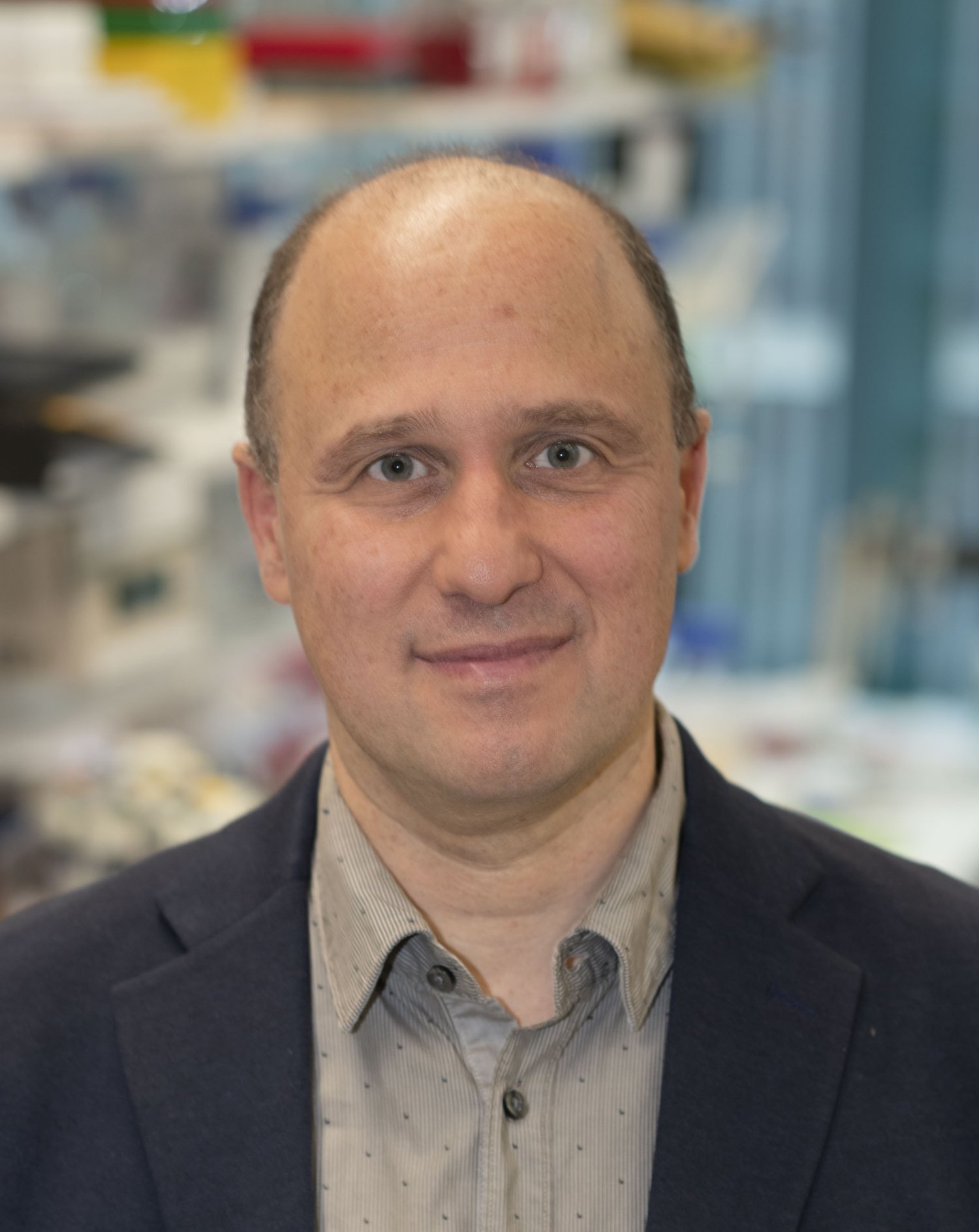
András Simon , Professor of Cell and Molecular Biology, is one of many researchers at Karolinska Institutet who are concerned about the developments in the United States.
"I conduct research funded by Sweden and the European Union, but I collaborate closely with colleagues at several American universities, and I can see how pressured their situation has become," he says.
This autumn, András Simon was due to give a lecture at a United States university, but he was recently informed that the entire seminar series has been cancelled. The conflict with the president has left universities in a precarious financial position.
"On top of that, the organisers were no longer certain I would be allowed into the United States with their invitation. I still believe I would be, but the fact that they are uncertain says a great deal," he says.
Academic freedom has declined in more than 30 countries
András Simon was born in Hungary, where academic freedom has significantly deteriorated over the past decade. The regime has, among other things, targeted the private Central European University, forcing it to relocate abroad.
"I have never conducted research in Hungary myself, but I follow developments in my former homeland. My impression is that, in just six months, the United States has become more authoritarian than Hungary when it comes to academic freedom. The use of banned-word lists to weed out unwanted research is truly extreme," says András Simon.
The situation in the United States and Hungary reflects a broader pattern: academic freedom has declined in more than 30 countries over the past decade, according to the Academic Freedom Index (AFI). Sometimes the decline is rapid, as seen in Argentina over the past two years.
Sweden ranks in the top decile of the AFI, but both Annika Östman Wernerson and András Simon stress that this does not mean Sweden is immune.
"What has happened in the United States could happen here, even if we do not want to believe it. We need to strengthen protections for academic freedom in Sweden and stop taking it for granted," says Annika Östman Wernerson.
What threats do you see?
"Sweden often follows the United States, and developments in American politics receive extensive media coverage here. This worries me. I also think there is a lack of understanding in society about why academic freedom matters. We need to talk about it more, not assume everyone already understands. Academic freedom brings enormous benefits to society: knowledge for sound decision-making, innovation, jobs, a highly educated workforce, growth, better healthcare and improved public health."
At the same time, it is often the notion of 'usefulness' that is used to justify curbing academic freedom. Politicians are keen to earmark funds for research that appears beneficial. But that must not come at the expense of curiosity-driven research, argues Annika Östman Wernerson.
"It is seldom possible to know in advance which research will prove most useful. We must safeguard free research funding, funds not tied to specific fields. A broad base of research is essential for those benefits to emerge," she says.
She cites mRNA research as an example, unexpectedly leading to a new type of vaccine, saving millions of lives during the pandemic, and earning a Nobel Prize.
Swedish universities have limited formal autonomy
Another threat to academic freedom in Sweden, according to Annika Östman Wernerson, is that Karolinska Institutet and other Swedish universities are government agencies. A structure with greater distance from political power would be a major advantage if pressure on universities were to increase.
"Swedish universities have limited formal autonomy. That has not been a major issue so far, but it could become one," says András Simon.
András Simon also advocates for the collective influence of researchers within academia. There are two main models of governance: hierarchical leadership, where decisions are made from the top, and collegial governance, where researchers and lecturers share decision-making power.
"It is quite unique to have both systems. Collegial governance has many advantages -including the ability to resist authoritarian forces more effectively"
Annika Östman Wernerson agrees.
"Collegial governance does not always make it easy for a president of a university, but there is tremendous strength in involving the academic community in decision-making processes. This is something we are working to reinforce at Karolinska Institutet."
How should Swedish researchers respond to the shift that has occurred in the United States?
"It is vital that we do not start adapting. It is easy to quietly reword applications, swap out terms that you know might cause trouble. But then we are heading down a dangerous path. We must stand up for science," says Annika Östman Wernerson.
Should Swedish researchers reduce their collaborations with the United States?
"Quite the opposite. American researchers need all the support and contact with the wider world that they can get right now."


