
People around the world are living longer again, with global life expectancy almost fully recovered from the disruption of the COVID-19 pandemic, the World Health Organization (WHO) said on Friday.
According to the UN health agency's latest Global Health Estimates , life expectancy reached 73.3 years in 2023, just shy of the 73.4 years recorded in 2019.
"Living longer is one of the great achievements of public health," said Dr. Alain Labrique, Director of WHO 's Department of Data, Digital Health, Analytics and AI.
The estimates, which cover trends in death and disability worldwide by region and by country from 2000 to 2023, draw on various sources including national vital registration data and estimates from WHO technical programmes alongside UN partner organizations.
Healthy life expectancy - the years people live in good health - has recovered more slowly, reaching 62.8 years in 2023, still 0.4 years below its 2019 level.
"The next challenge is to ensure that those additional years are lived in good health, while health systems are equipped to respond to the changing needs of populations," Dr. Labrique said.
Milestone for low-income countries
The estimates also point to a long-term shift in what people die from.
In 2023, for the first time, communicable diseases - one that spreads from one person or animal to another, or from a surface to a person - accounted for less than half of all deaths in low-income countries, a further step in what WHO calls the "global epidemiological transition".
Worldwide, noncommunicable diseases (NCDs) caused 74 per cent of deaths in 2023, up from 58 per cent in 2000, and eight of the world's 10 leading causes of death were NCDs.
Cardiovascular diseases remain the leading cause of death and disease burden. Ischaemic heart disease alone caused approximately 9.5 million deaths in 2023 and the loss of 210 million years of healthy life.
Many parts of the world have made substantial progress in reducing that burden since 2000, though individual risk increased in Western Pacific and Southeast Asia regions, highlighting persistent inequalities.
Rising burden of dementia
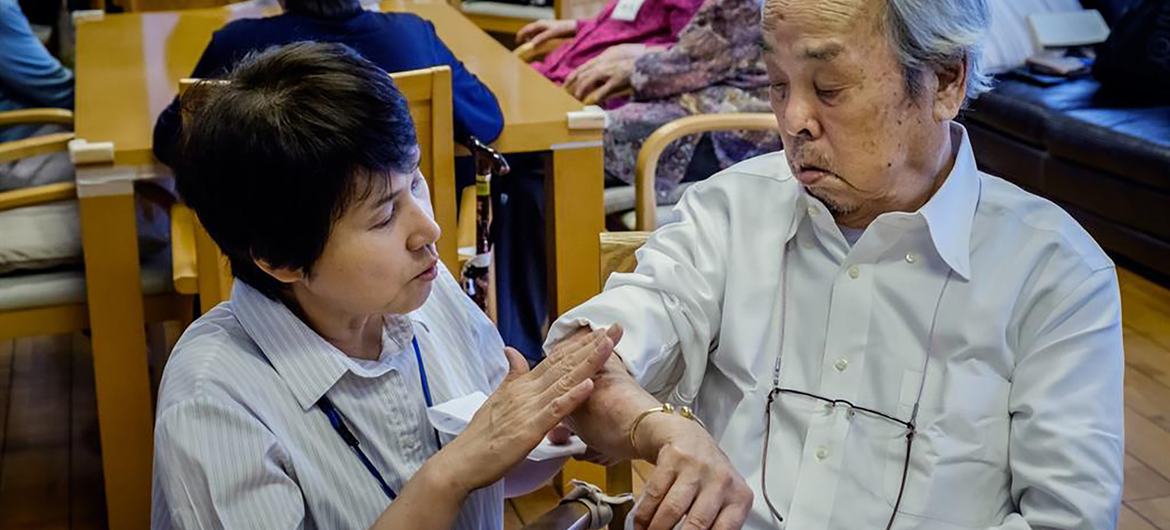
Other chronic conditions are becoming more prominent. Dementia rose from the 19th leading cause of death globally in 2000 to the fifth in 2023, with deaths from the condition tripling over the period.
The risk of dying from diabetes has also risen substantially since 2000, particularly in South-East Asia.
Between 2019 and 2023, the global age-standardised rate of "healthy life" lost rose by about 20 per cent for depressive disorders and nearly 45 per cent for anxiety disorders.
For drug use disorders, the Americas recorded the largest increases in risk of death and healthy life lost between 2000 and 2023, while the Western Pacific saw substantial declines.
Diagnosis points to cure
"The value of these estimates is not only in the numbers themselves," Dr. Labrique said. "By showing how causes of death and disease burden are changing over time and across populations, they give countries evidence to help shape health policies and priorities."


