A new study from researchers at James Cook University highlights the importance of the conditions leading into summer, showing how winter temperatures can influence coral resilience months later.
Traditionally, most coral bleaching forecasts focus on summer heatwaves, because that's when heat driven coral bleaching events typically occur. But this research shows that winter temperatures can shape how resilient - or vulnerable - corals may be when summer heat arrives.
The study found that sustained warm winters can increase the likelihood of coral bleaching the following summer, while moderate winter warmth may sometimes help corals acclimatise to heat stress - a kind of "Goldilocks zone" where conditions are not too hot and not too cold.
From a management perspective, this reinforces something we see regularly through Reef monitoring: Reef health is shaped by a combination of seasonal conditions, not just a single marine heat wave.
Over the past few months on the Great Barrier Reef, we've seen this playout.
Recent Reef Health updates show that:
- Sea surface temperatures have been above the long-term average in parts of the Marine Park, particularly in the northern regions.
- Heat stress has been building since late spring, with some reefs experiencing bleaching in heat-sensitive coral species, especially in the Far Northern and Northern regions.
- Cyclones, tropical lows and monsoonal rainfall have helped ease temperatures at times, while also increasing freshwater runoff and the potential for localised damage to coral reefs, seagrass meadows and mangroves.
This mix of influences - temperature, rainfall, cyclones, water quality and other ecological pressures such as crown-of-thorns starfish predation is exactly why ongoing monitoring and early detection are so important.
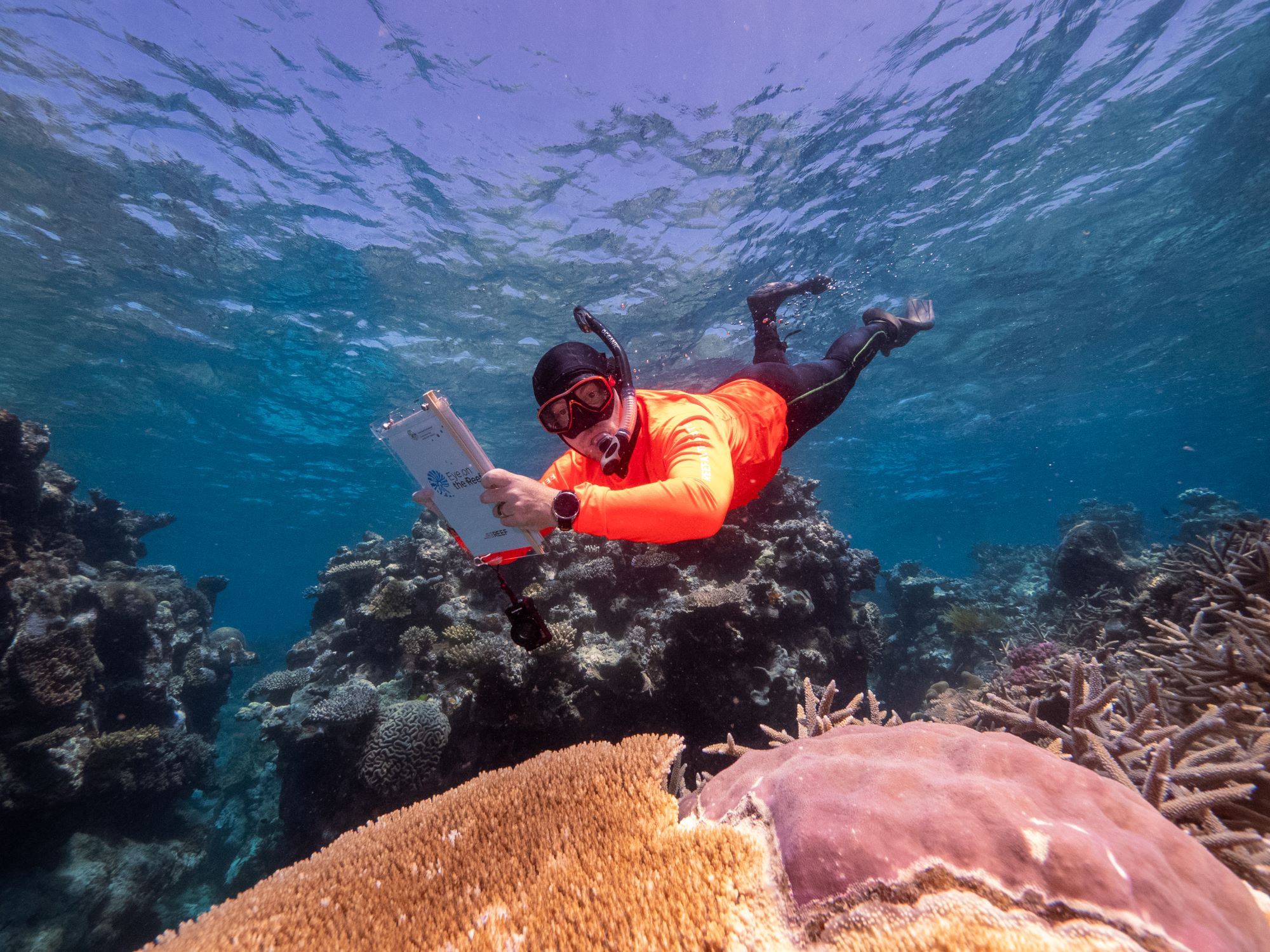
Reef Authority teams and partners regularly carry out Reef Health Impact Surveys, satellite monitoring and water quality sampling across the Marine Park. This data helps us track conditions as they evolve and guide management responses, from crown-of-thorns starfish control to targeted compliance patrols in high-risk or impacted areas.
- Dr Roger Beeden, Chief Scientist from the Great Barrier Reef Marine Park Authority says this research helps reinforce what we see on the water - that the Reef's resilience is influenced by conditions across all seasons, not just during summer heatwaves. By improving our ability to anticipate risks earlier, studies like this strengthen our capacity to respond and support the Reef through a changing climate.
The Great Barrier Reef is a dynamic system, shaped by weather, climate and ecological pressures across the entire year. The more we learn about these patterns, the better we can anticipate impacts and support Reef resilience.
Understanding the bigger picture - not just the conditions at the peak of summer is key to protecting this extraordinary ecosystem.
Link to study: Winters set the stage for summer GBR bleaching risk - JCU Australia