A birthday is a reason to celebrate, but also a moment to look back, reflect on the present and look ahead. That is exactly what Wageningen University & Research did during its 108th Dies Natalis.
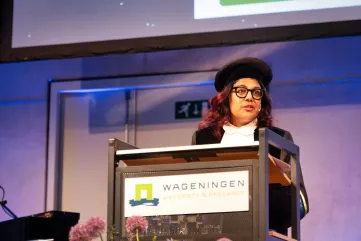
The event focused on responsible change making and on reflecting on WUR's role in the world. "An honest assessment of the past will help us draw lessons for the future we want. And for the organisation we want to be. It will help us shape responsible change. In Wageningen, the Netherlands, Europe and the world," said Rector Magnificus Carolien Kroeze in her opening remarks.
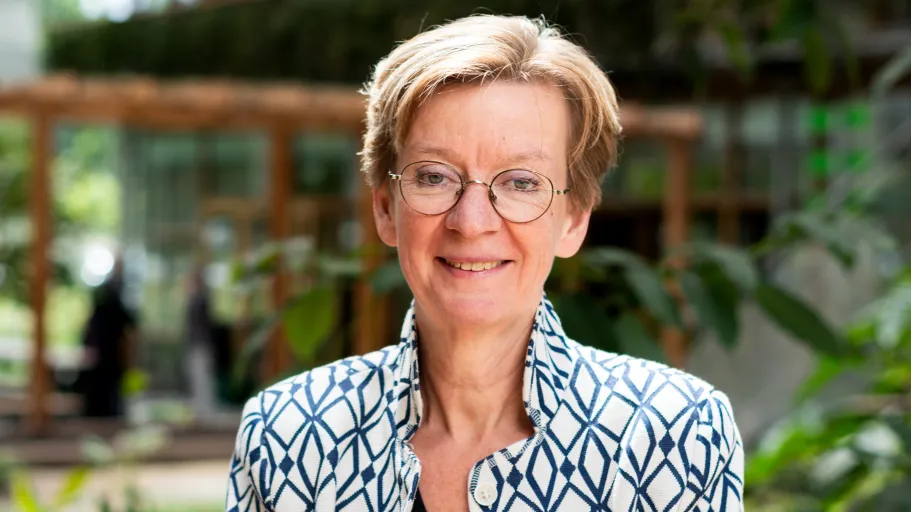
She emphasised that there is much to be proud of in the 108-year history of Wageningen University & Research, but that there are also uncomfortable truths that call for reflection and sometimes even shame. With this, she introduced the first presentation, given by historian Larissa Schulte Nordholt from the Economic and Environmental History Group.
Suriname and Indonesia
Schulte Nordholt discussed the colonial past of Wageningen University & Research in Suriname and Indonesia. "Why is Wageningen today a global centre of agricultural expertise? Why are we so engaged with the Global South? For some of you the answer may seem obvious: it has everything to do with our colonial past and that of the Netherlands more broadly."
She concluded that Wageningen played a role in the colonial system in several ways in the past. Scientific research was used to legitimise colonial agriculture and to support the exploitation of natural resources. In addition, the institution trained students for positions in the colonial administration, research stations and plantations, thereby forming a link between the Netherlands and its colonies. Education and research also contributed to a worldview in which European knowledge and expertise were central. "If knowledge is power, then a university with the global influence and connections of Wageningen University & Research must carefully consider how it uses that power."

Leaving no one behind
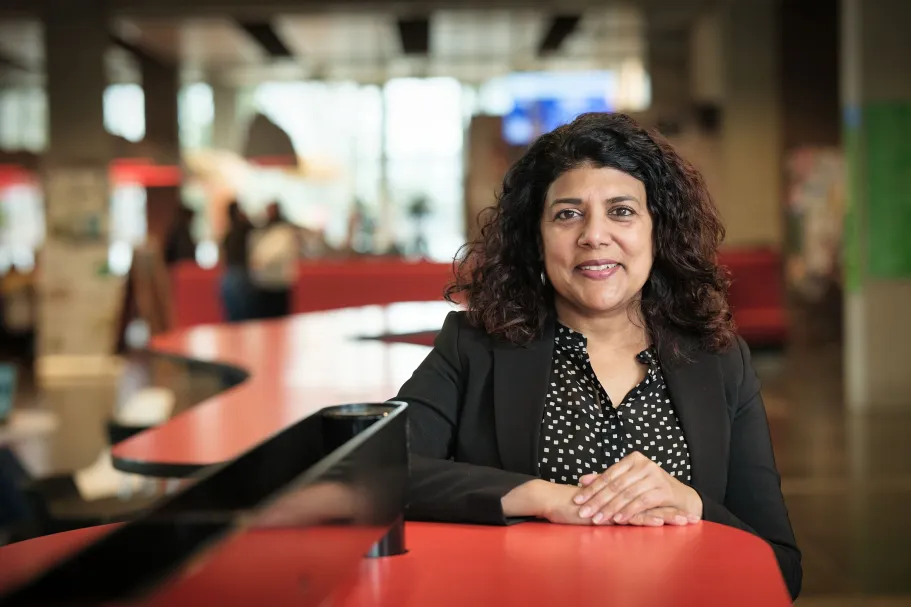
Following this look at the past, Aarti Gupta, Professor of Global Environmental Governance, reflected on the dilemmas of today and tomorrow. She spoke about sustainability for all, inclusive collaboration and just transitions at local, national and global levels. She emphasised that the crisis of inequality and the crisis of unsustainability are closely intertwined. She also warned against 'false sustainability solutions', such as reflecting sunlight to reduce global warming. Her conclusion: "Wageningen can play a leading role in 'leaving no one behind'."
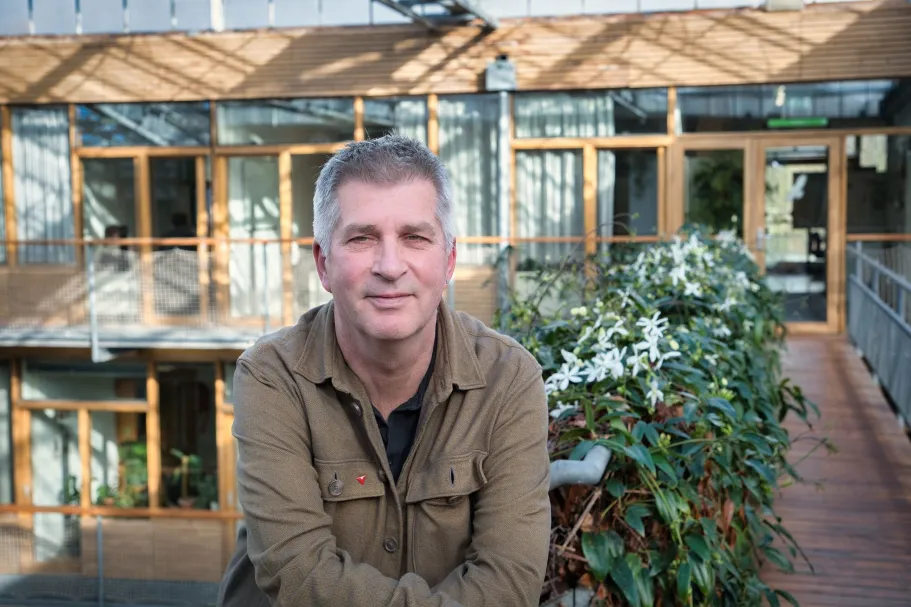
How can we ensure that we educate responsible change makers? Lecturer Bert Bruins addressed this question. In his course Environmental Justice in Practice, he uses the example of a hydropower plant in the Himalayas, often seen as a symbol of sustainable energy. "Students asked the question: who benefits here? Those are the people in the city and in industry. The losers are the people who live there. They lose their land." Bruins concluded with a plea for a pluriversity: a university that creates space for multiple truths and multiple pathways.
Nigeria and Tanzania
Early-career researchers Mukoma Kilakila and Stellamaris Aju represented the new generation of changemakers. Stellamaris Aju spoke about her work on a project aimed at improving agricultural productivity in Nigeria by increasing access to and knowledge of improved seeds. Mukoma Kilakila studies how farmers in Tanzania can be actively involved in generating agricultural knowledge, combining scientific knowledge with local knowledge and experience.

Research awards
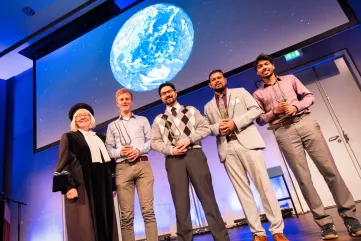
Almost by tradition, the Dean of Research presents the Research Awards during the Dies Natalis to promising researchers. Prizes were awarded in four categories: Research Paper of the Year, Team Effort of the Year, Transdisciplinary Research of the Year and Supervisor of the Year. The Research Awards are organised by the Wageningen Graduate Schools and made possible by the Wageningen Graduate Schools and the University Fund Wageningen.
Dean of Research Edith Feskens announced this year's winners:
- Research Paper of the Year:
Ketan A. Ganar, Manali Nandy and Polina Turbina - Phase separation and ageing of glycine-rich protein from tick adhesive
- Team Effort of the Year:
CropMix+. This team investigates how strip cropping affects biodiversity, pest control, weeds and crop yields on 26 Dutch farms, in order to better understand and improve sustainable farming practices.
- Transdisciplinary Research of the Year:
Research Through Design (EngD). This research develops and tests, through a Research Through Design approach, new designs for multifunctional quay walls in Amsterdam that contribute simultaneously to climate adaptation, energy transition, mobility, biodiversity and urban quality.
- Supervisor of the Year:
Dr Enrique Asin-Garcia, Assistant Professor in Bioprocess Engineering.
75 years of University Fund Wageningen
Wageningen University & Research was not the only organisation celebrating an anniversary; University Fund Wageningen also had a reason to celebrate, as the foundation marks its 75th anniversary. Since 1951, the foundation has supported fundamental and groundbreaking research, talent and entrepreneurship. Over the past 15 years alone, UFW has contributed no less than €70 million to WUR. During the Dies Natalis, Jacqueline Pieters, Chair of University Fund Wageningen, presented Carolien Kroeze with a cheque for €75,000 - a contribution that helps WUR shape a future of responsible change.
Watch Dies Natalis 2026

Recap of Dies Natalis 2026