
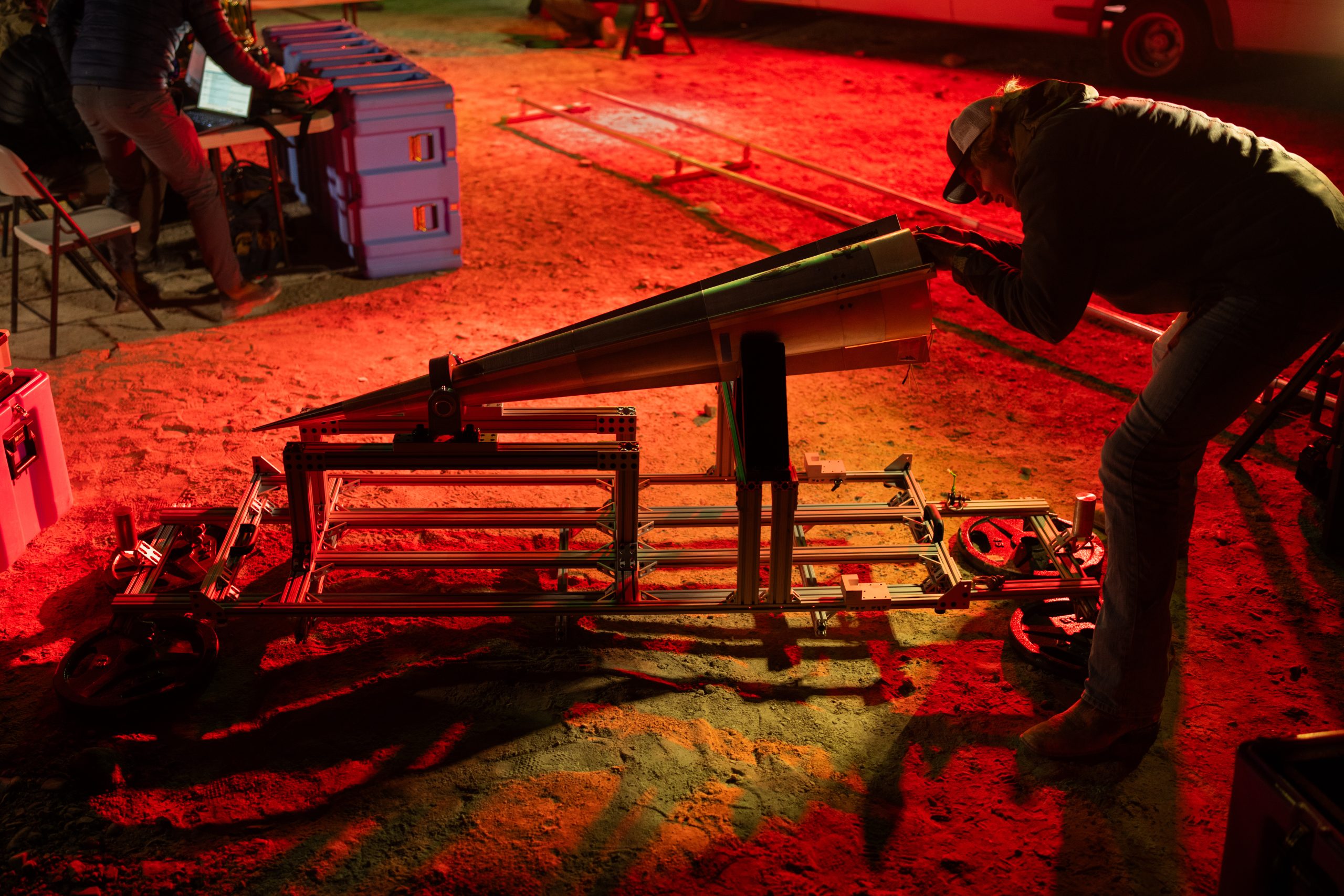
This summer, Washington, DC, will get to see firsthand how advanced technologies are accelerating national security engineering.
A new concept flight test vehicle called Aires Tide will be on display at the National Mall starting June 25. The 11-foot-tall, 3D-printed, AI-designed prototype will be stationed alongside other American innovations at the Great American State Fair, part of the Freedom 250 celebration.
Aires Tide is the National Nuclear Security Administration's first breakthrough of the Genesis Mission, the White House initiative led by the Department of Energy to transform how the department delivers on its mission through a network of AI-enabled supercomputers and AI tools. The vehicle was developed through close collaboration across Sandia National Laboratories, Los Alamos National Laboratory, Lawrence Livermore National Laboratory and Kansas City National Security Campus.
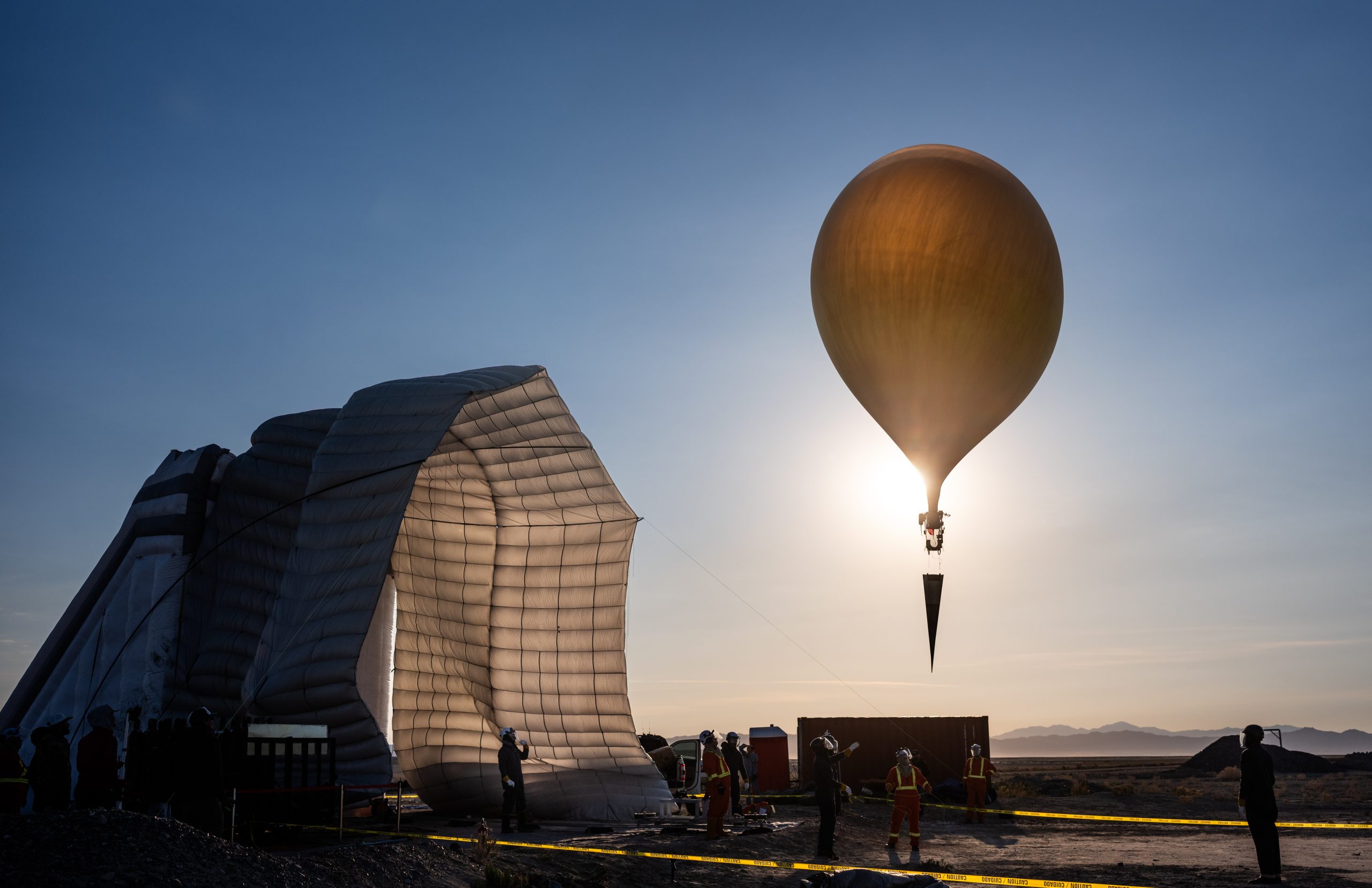
Launched into the atmosphere, Aires Tide measures the heat and vibrations a nuclear weapon would experience on its path to the target. The combination of AI and additive manufacturing enables the nation's scientists and engineers to increase the tempo of scientific flight tests that gather critical information relevant to the nation's stockpile.
It also represents the possibility of a future in which designers and engineers can create new weapons systems at far less time and expense than with current methods.
"Artificial intelligence helps us move faster and reach better solutions in both our technical and operational work," said Sandia National Laboratories Director Laura McGill. "It makes us more effective, freeing our engineers, scientists and other staff across the Labs to focus on the critical, high-value work we do best. That ultimately allows Sandia to serve the nation even better."
In five months, from October 2025 to March 2026, national laboratory researchers designed, built and tested multiple vehicles from scratch. This process would normally take about two years. Additionally, Sandia successfully completed a drop test of a 1:2 scale version May 19 at the U.S. Army Dugway Proving Ground in Utah.
Innovations speed process, save costs
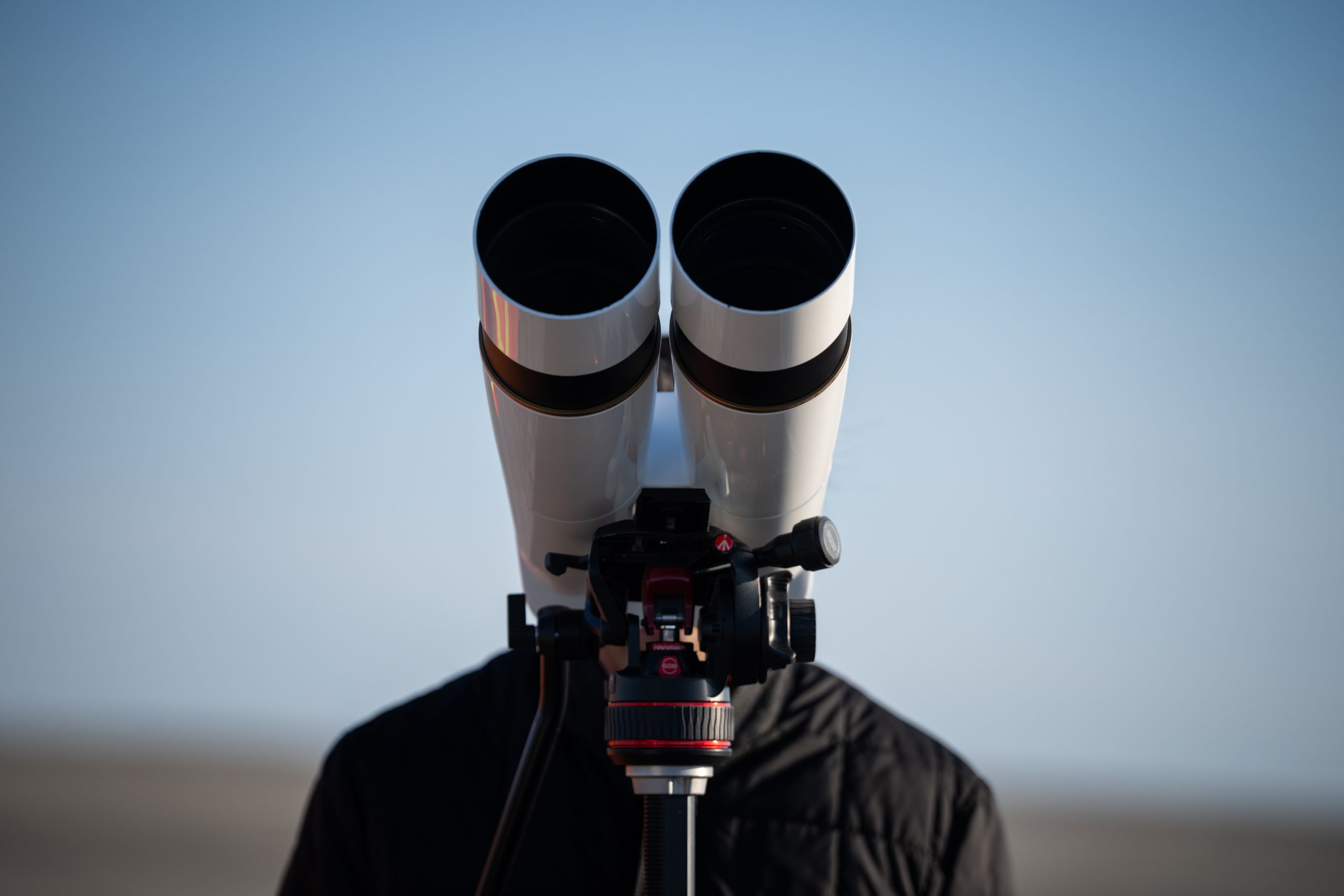
The Aires Tide team used AI tools to design the vehicle's internal shape and structure, including the location of components such as sensors and power buses. AI also helped researchers optimize the vehicle's ability to handle heat and stress, which are major challenges for aerospace technologies.
Then, they printed the fuselage on a Velo Sapphire XC 3D printer. The 11-foot-tall cone-shaped structure was printed as seven nested pieces that were separated and reassembled. Printing these pieces simultaneously instead of one at a time significantly reduced time and cost, and the entire structure was printed in less than six days.
Several vehicles were created throughout the project. An initial carbon fiber composite prototype was printed in January, and smaller-scale versions were also printed, assembled and tested at Sandia. The final version that will be displayed in the nation's capital is made of Inconel, a high-performance alloy made of nickel, chromium and iron.
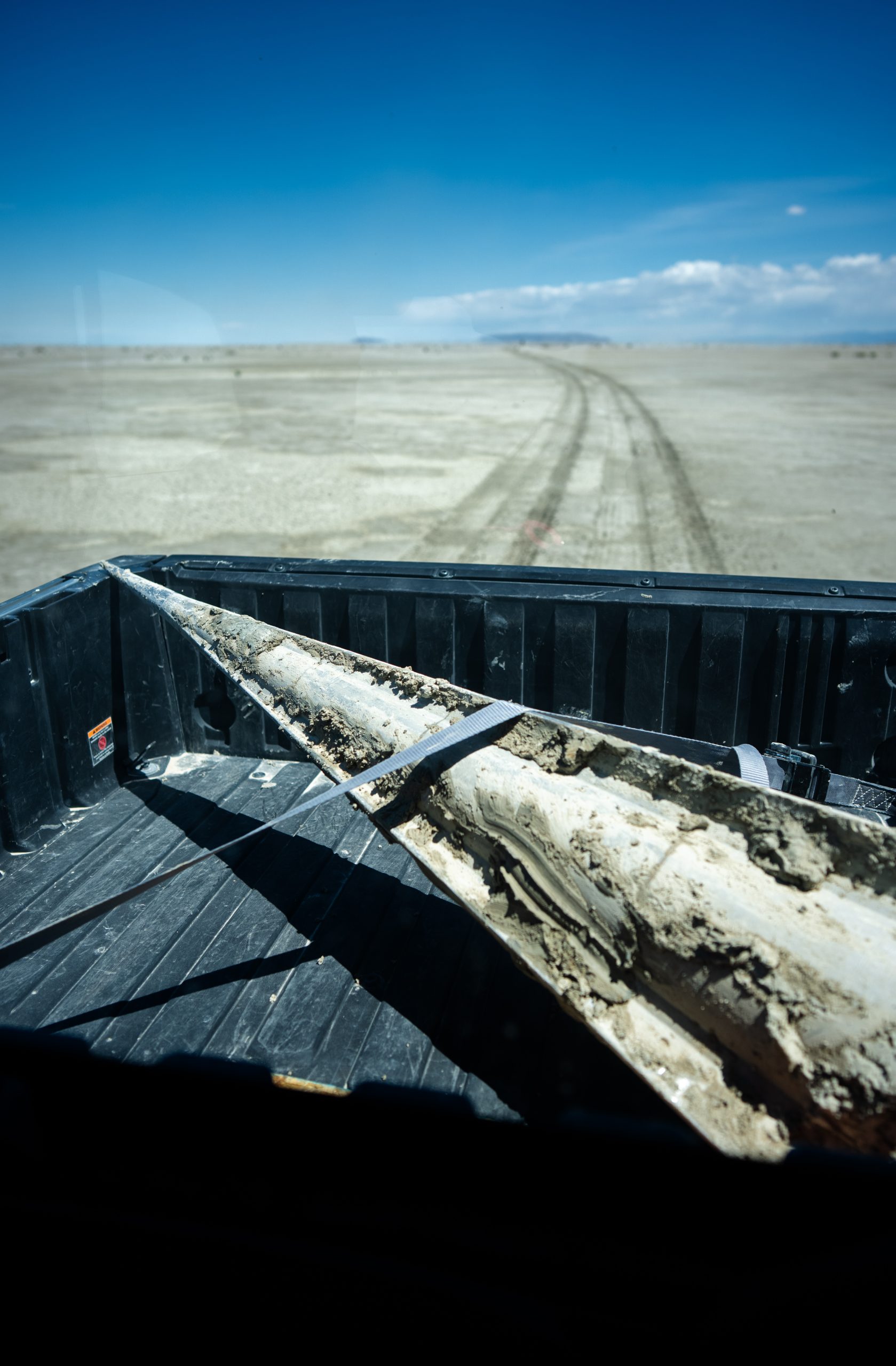
"With Aires Tide, we're producing these vehicles in weeks, at 15 times lower costs than traditional methods," said Deborah Frincke, deputy laboratories director of integrated security missions. "This agility is crucial as we respond to evolving threats in our national security landscape."
The Inconel version was printed using an additive manufacturing process called laser powder bed fusion at Kansas City's New Mexico Operations, a part of Sandia's Center for Advanced Manufacturing and Innovation, which opened in February.
David Gibson, deputy labs director and Sandia's chief operating officer said, "For more than 75 years, Sandia has invested in all kinds of technologies. But innovation is only powerful if it's innovating towards an end. Aires Tide is proof that advanced engineering and manufacturing tools make our nation safer and more secure."
Aires Tide was created as a concept demonstrator and not for production. However, for Sandia, it signifies how innovation can go from a bright idea to prototyping, testing and, ultimately, making real-world impact in record speed.


