
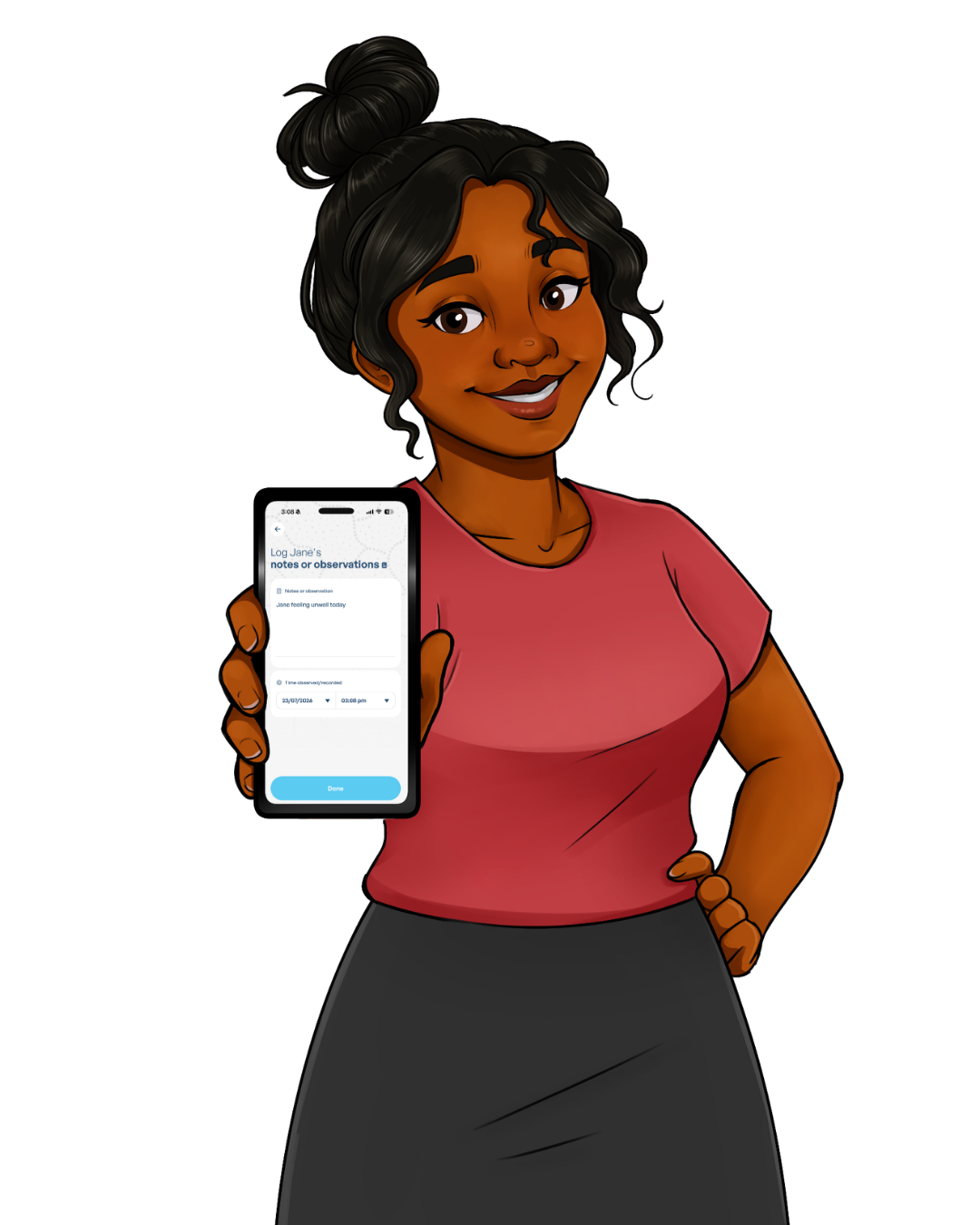
The creation of a simple phone app by Flinders University researchers may provide the key to improve ear and hearing health for Australia's Indigenous children - especially in rural and remote communities.
Aboriginal and Torres Strait Islander children experience ear infections and hearing problems about five times the rate of other children, with persistent ear disease affecting their speech, learning and connection to culture and community.
Flinders University researchers led a community study about hearing health needs and access to care across Far West South Australia - which has led to the creation of the innovative Pathways app.
"We yarned with Aboriginal families, health workers and schools, and they told us the ear health system is often fragmented," says Flinders researcher Dr Celine Northcott.

"These children are seen by many different services and clinicians over time, and staff turnover is high in remote areas, so a child's ear health history is often lost between appointments.
"Parents told us they were having to repeat their child's ear health story to every new provider, and they needed a simpler way to keep that information in one place."
The Pathways Project team – comprising Flinders University's Associate Professor Jacqueline Stephens, Samantha Rattos, Dr Northcott and audiologist Lisa Callahan - worked with Aboriginal families and Far West Community Partnerships to design the function of a convenient phone app that can be used to track a child's ear health journey.
The resulting Pathways mobile app is free - and is now available to download from the Apple App Store and Google Play.
Supported by NHMRC funding, the app was developed by KWP, and features artwork by Ngarrindjeri artist Jordan Lovegrove and Dunghutti artist Emily Ferry.
The Pathways app features:
• A symptom and observation diary, building a timeline that families can share with their child's doctor.
• A medication log, which includes dose reminders.
• An appointment tracker, with reminders.
• A surgery tracker, with reminders
• Easy access to a range of trusted ear health resources.
The app works offline, which matters for families in rural and remote areas where mobile coverage can be patchy.
The Flinders research team is also running a pilot evaluation with families across the Far West of South Australia to understand how well the app works in everyday life for Aboriginal families, and to learn how the app can be improved.


