
Citizen science is booming and could play a much greater role in tackling climate change, reef health, biodiversity and public health challenges by involving members of the public throughout the research process, according to a new study.
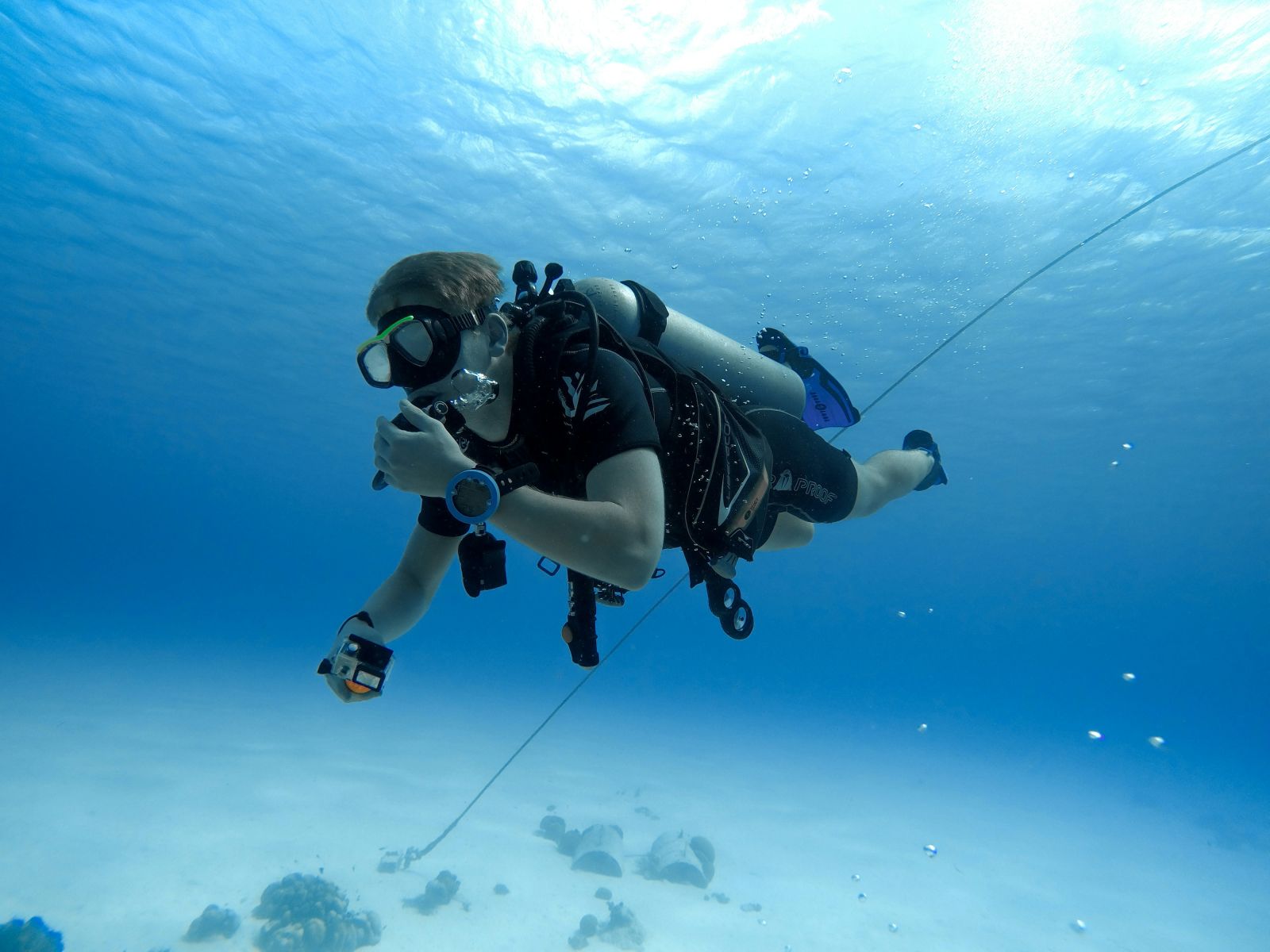
Adjunct Professor Adam Smith, from James Cook University's Centre for Tropical Water and Aquatic Ecosystem Research (TropWATER) and CEO of environmental advisory company Reef Ecologic, is a co-author of the study.
Dr Smith said the research argued citizen science – where people without formal scientific training work alongside professional scientists to collect, analyse or interpret data – could be strengthened by involving the public at every stage of the research process.
"There is scope for everyday people to contribute throughout scientific research, from planning projects through to reporting the results," Dr Smith said.
He said estimates of the number of citizen scientists in Australia usually came in at between 100,000 to 130,000.
"I think this is a major underestimate. My survey of about 20 key organisations suggests there are likely more than a million in Australia," said Dr Smith.
The project was led by Dr Jack Nunn from the charity Science for All. Dr Nunn said as well as contributing to scientific work, citizen science builds scientific literacy and public trust in the process.
"Science is increasingly being defunded, politicised and drowned out by disinformation. By creating the right systems, supports and opportunities, citizen science can play a central role in delivering more inclusive, responsive and evidence-informed solutions. The more people who are involved, the more everyone has ownership of the science." he said
Dr Nunn said the research also highlighted the importance of building trust through transparent data validation and sharing, ethical research partnerships and adherence to principles that ensure data is findable, accessible, interoperable and reusable.
Chair of the Australian Citizen Science Association, Stephanie von Gavel said citizen science faces significant barriers.
"Lack of core funding can undermine the long-term sustainability of projects, while a lack of centralised support for ethics and project management creates additional challenges," she said.
Dr Smith said recognising citizen scientists through co-authorship, standardised training and professional development opportunities would help build long-term capacity.
"It would establish Australia as a world leader in marine citizen science to complement existing recognition in marine science and marine park management.
"Emerging technologies, including artificial intelligence and open data platforms also offer opportunities to improve efficiency and expand participation, provided they are implemented with appropriate ethical safeguards," he said.
The researchers have proposed 10 recommendations to embed citizen science within national research infrastructure, education and public policy.
"Greater public participation in science will be essential to developing equitable, efficient and evidence-informed responses to the environmental and health challenges of the 21st century," Dr Smith said.
Link to paper here.


