An experimental ALS drug that grew out of basic and clinical research at Columbia University's Vagelos College of Physicians and Surgeons may soon become available for patients with a rare and aggressive form of the disease.
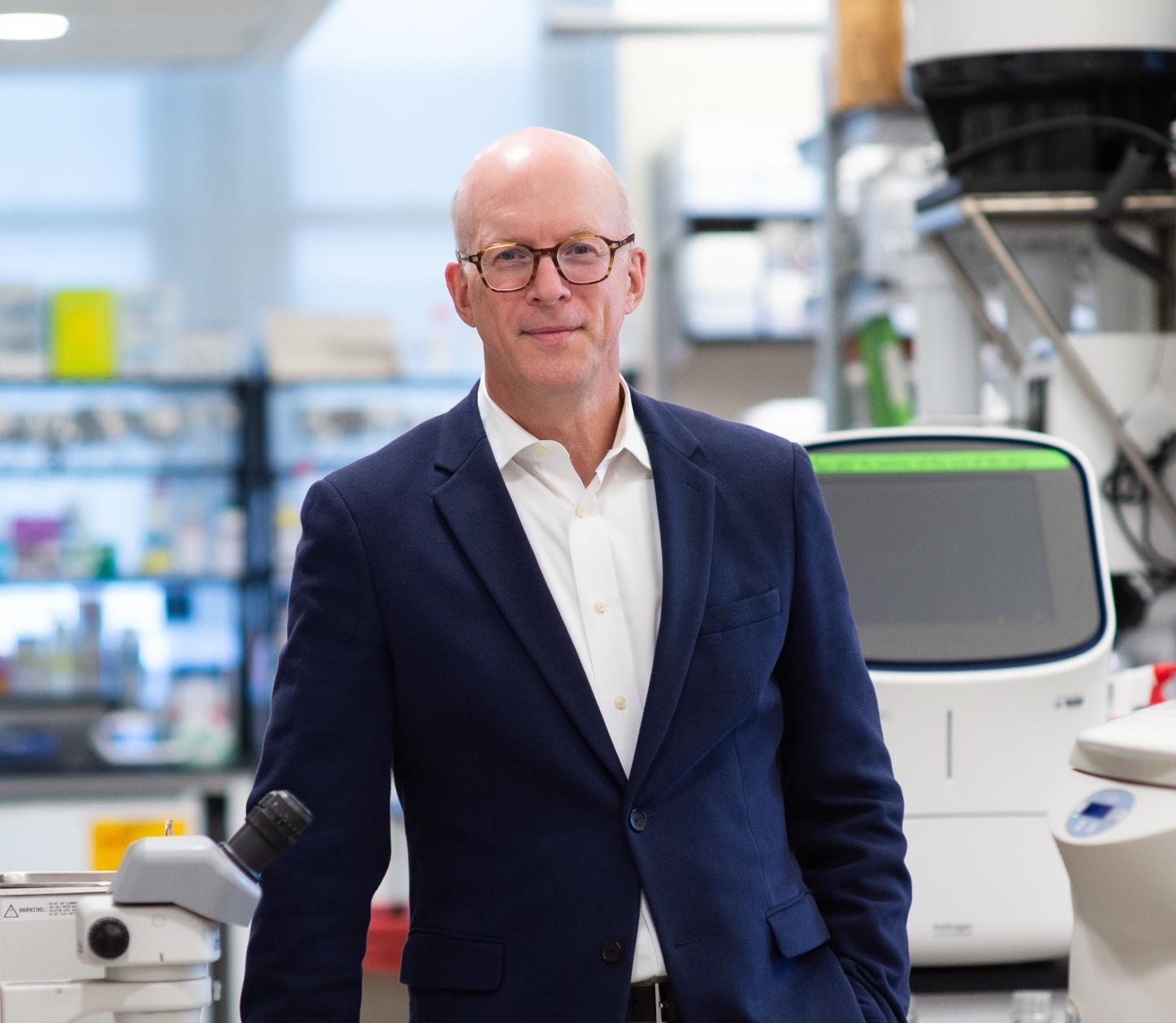
Neil Shneider (source: Columbia University Irving Medical Center)
In September, Ionis and Otsuka Pharmaceutical, which developed the drug, called ulefnersen, announced that the phase 3 FUSION trial had met its primary endpoint: patients with FUS-ALS (caused by mutations in the FUS gene) who were treated with ulefnersen had a statistically significant improvement compared with those who received placebo, in a combined measure of function and survival.
"This marks an historic success in our field-and a proud moment for all of us at Columbia University who are working to develop effective therapies for people with ALS and other neurodegenerative diseases," says Neil Shneider, director of the Eleanor and Lou Gehrig ALS Center at Columbia University. "This is the first-ever placebo-controlled trial of an ALS therapy targeting the underlying genetic cause of FUS-ALS, and the first time any ALS trial has met this challenging primary clinical endpoint."
From the lab to a pivotal trial
For most patients with ALS, the cause of the disease cannot be identified. But for 1% to 2% of patients with ALS, the disease can be traced to mutations in the FUS gene.
"FUS-ALS can be highly aggressive and often strikes people in the very prime of their lives, including children, adolescents, and young adults," says Shneider.
The new therapy first emerged after Shneider and his colleagues showed, in a mouse model, that mutations in FUS (first linked to ALS in 2009) lead to a toxic buildup of FUS protein in motor neurons. The findings immediately suggested to Shneider that reducing levels of the toxic protein could prevent or delay the onset and progression of the disease in FUS-ALS patients.
In 2018, Shneider began caring for a young woman from Iowa named Jaci Hermstad, who had FUS-ALS and whose identical twin sister had died of the same disease.
Shneider asked Ionis, a developer of RNA-targeted therapeutics, to help develop a drug that would shut down production of FUS protein. The result was an antisense oligonucleotide (ASO)-a short, synthetic strand of genetic material designed to bind FUS RNA and lower production of the protein. In Shneider's FUS-ALS mouse models, the ASO reduced levels of the toxic protein in the brain and spinal cord and delayed the loss of motor neurons.
But the drug had never been tested in humans.
In 2019, Shneider requested permission from the FDA to administer the drug to Hermstad, whose condition was worsening rapidly, through an expanded access program. Hermstad received repeated spinal infusions of the drug-which Shneider dubbed jacifusen in her honor-for about 10 months before she died of the disease in 2020. Analysis of her brain and spinal cord tissue showed reduced FUS levels and fewer clumps of FUS protein, signs that the drug was engaging its target.
Subsequently, dozens of patients around the world were treated with jacifusen (later renamed ulefnersen) in a Columbia-led study. Data from 12 of those patients, published in The Lancet, showed that the therapy was safe and well tolerated, and suggested that, when given early enough, it had the potential to help some patients recover function and prevent progression of the disease. One young woman regained significant motor function, and a presymptomatic man continues to be treated with ulefnersen at Columbia and has not developed symptoms.
Building on the Columbia study, Ionis sponsored FUSION, a global, randomized, double-blinded, placebo-controlled clinical trial, led by Shneider, to study the drug's safety and efficacy in patients with FUS-ALS. The trial, which began in 2021, included 73 patients with signs or symptoms of ALS who received either ulefnersen or placebo for 18 months, after which all participants received the investigational drug.
Full results from the FUSION trial will be submitted for publication in the coming months. Otsuka has announced that it is engaged in discussions with the FDA and other regulators to explore potential expedited paths to approval. In the meantime, Otsuka has opened an early access program, led by Shneider, to make ulefnersen available to eligible patients with genetically confirmed FUS-ALS (requests must come from a treating physician).
"It is so gratifying to see how basic biomedical research and collaboration between academic medical centers and pharmaceutical companies can lead to discoveries that may have a meaningful impact on the lives of patients and families living with a devastating disease like ALS," Shneider says.
References
Top image: Motor neurons, which degenerate in ALS, as seen under a microscope (Getty Images)