
Many older adults in Sweden help care for partners, relatives or friends, but those who provide the most intensive support often face challenges that affect their own health. This is shown in new doctoral thesis from Karolinska Institutet.
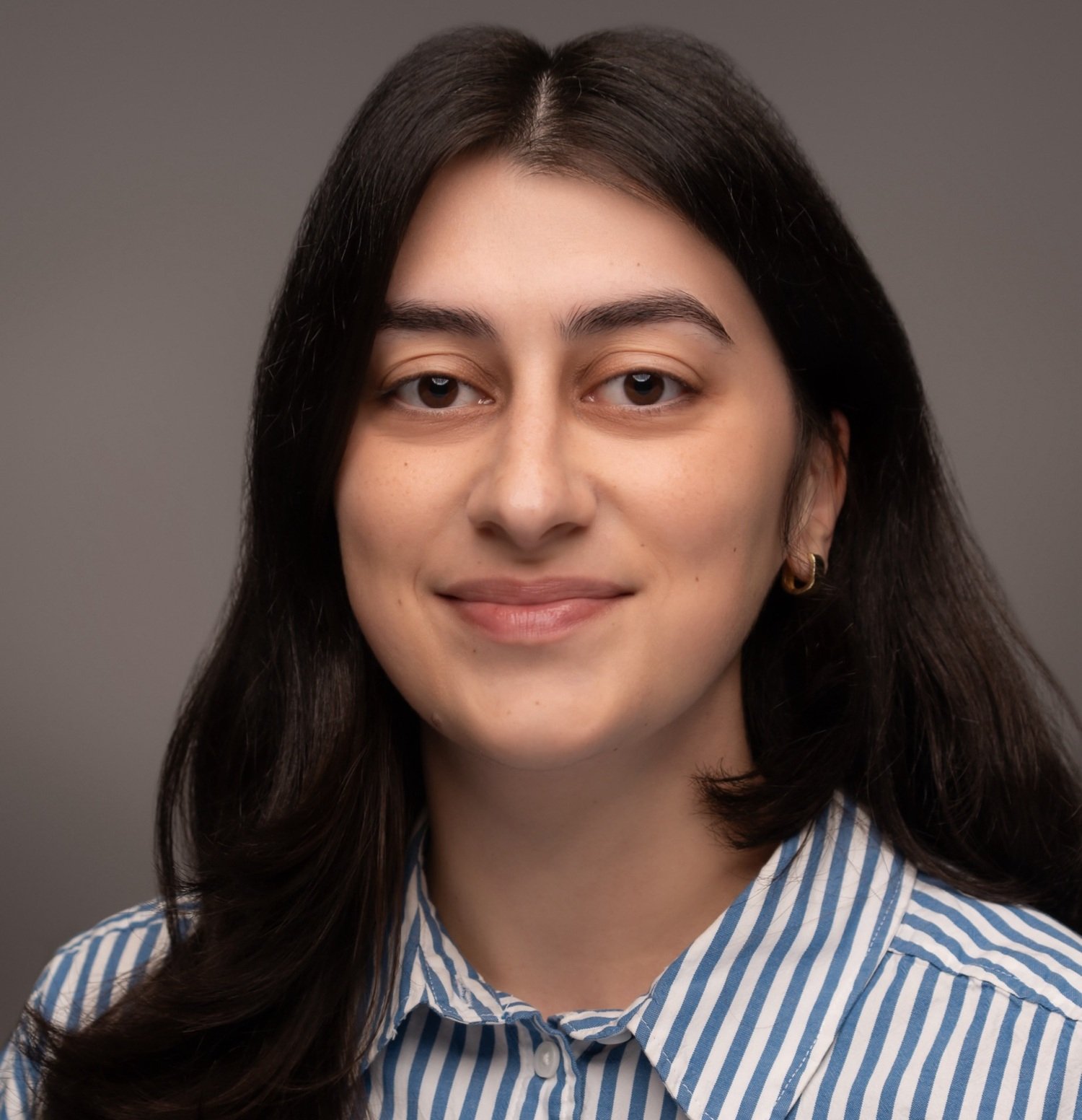
"The main aim of my thesis has been to describe informal caregiving among older people, understand how caring for someone else affects their health and everyday life, and identify supportive interventions", says Mariam Kirvalidze , doctoral student at the Aging Research Center (ARC) , Department of Neurobiology, Care Sciences and Society .
Informal caregivers already provide more care than formal services do worldwide. Even in Sweden, where health and social care have traditionally been generous and universal, families still take on a large share of caring for people with acute and chronic illnesses or disabilities. This is not necessarily a bad thing, caregiving can be meaningful and rewarding, but at older ages it can also become very demanding. The goal is to make sure policymakers recognize that caregivers in the community need support and that supporting them is key to sustaining the care system.
The findings suggest that informal caregiving among older adults is still relatively uncommon in Sweden. Around 15-20 per cent of older people provide care to someone with care needs. However, about one in six caregivers are involved in high‑intensity caregiving, which can be comparable to full‑time or even round‑the‑clock care, for example when supporting a family member with dementia.
Intensive caregiving affects health and everyday life
These high-intensity caregivers are more likely to feel restricted in their own lives. They have less time for social activities and self-care, and they more often report loneliness, poorer mental and physical health, and fewer life opportunities compared to caregivers who provide less intensive care. We also found that those providing high-intensity care have greater support needs, which are often not met. A review of international studies showed that caregivers benefit most from flexible and tailored support, rather than one-size-fits-all solutions.This research contributes to developing a sustainable, people-focused health and social care system for Sweden's aging population. With growing staff shortages, informal caregivers are increasingly vital, but they need more active support and protection. While Sweden has strong policy frameworks, there is a lack of clear, measurable plans to identify, monitor, and assist caregivers. Primary care professionals could support caregivers but face heavy workloads and unclear roles. Municipal services remain limited and inconsistent. Systematic evaluation and better resource use are essential.
What are your future plans?
I hope to continue working in research and contribute further to studies on the Swedish care system. Alongside research, I also enjoy more organizational and coordinating work, such as building projects and bringing different actors together. In the future, I would like to combine research with more managerial or coordinating roles.
The doctoral thesis has been supervised by Amaia Calderón‑Larrañaga . The public defence is scheduled for 23 April 2026.
Doctoral thesis
" Older adults' contribution to informal caregiving: profiles, adverse Health consequences, and support interventions ", Mariam Kirvalidze, Aging Research Center, Department of Neurobiology, Care Sciences and Society, Karolinska Institutet, April 2026.
Facts about doctoral theses
A doctoral thesis is the final written product of a postgraduate education, which in Sweden corresponds to four years of full-time studies. It varies between different disciplines how a doctoral thesis is structured. In the field of medicine, the doctoral student usually collects three to five scientific articles and presents them together with a thesis summary or overview, a so-called 'kappa' (literally meaning overcoat in Swedish). After the doctoral student has passed the public defence of the thesis, he or she receives a doctoral degree (also called a PhD), which is the highest possible educational degree in Sweden. Karolinska Institutet has approximately 2,000 active doctoral students and each year approximately 350 doctoral theses are published at our university.


