On Saturday, March 21st, StratNeuro hosted the annual "En Resa Genom Hjärnan 2026" as part of Brain Awareness Week 2026. It offered a day filled with activities for all ages, from hands-on experiments and interactive demonstrations to engaging talks with leading researchers.
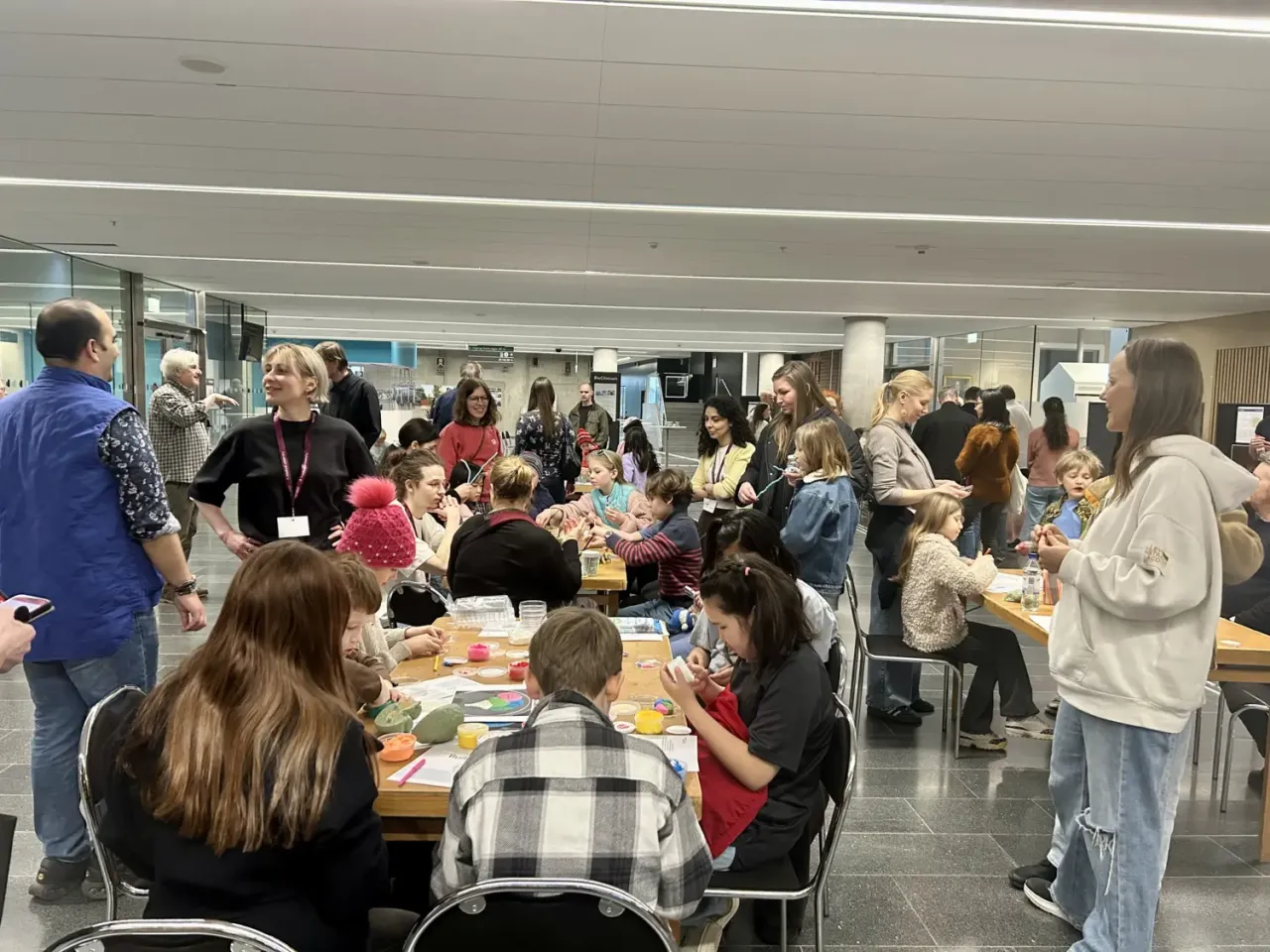
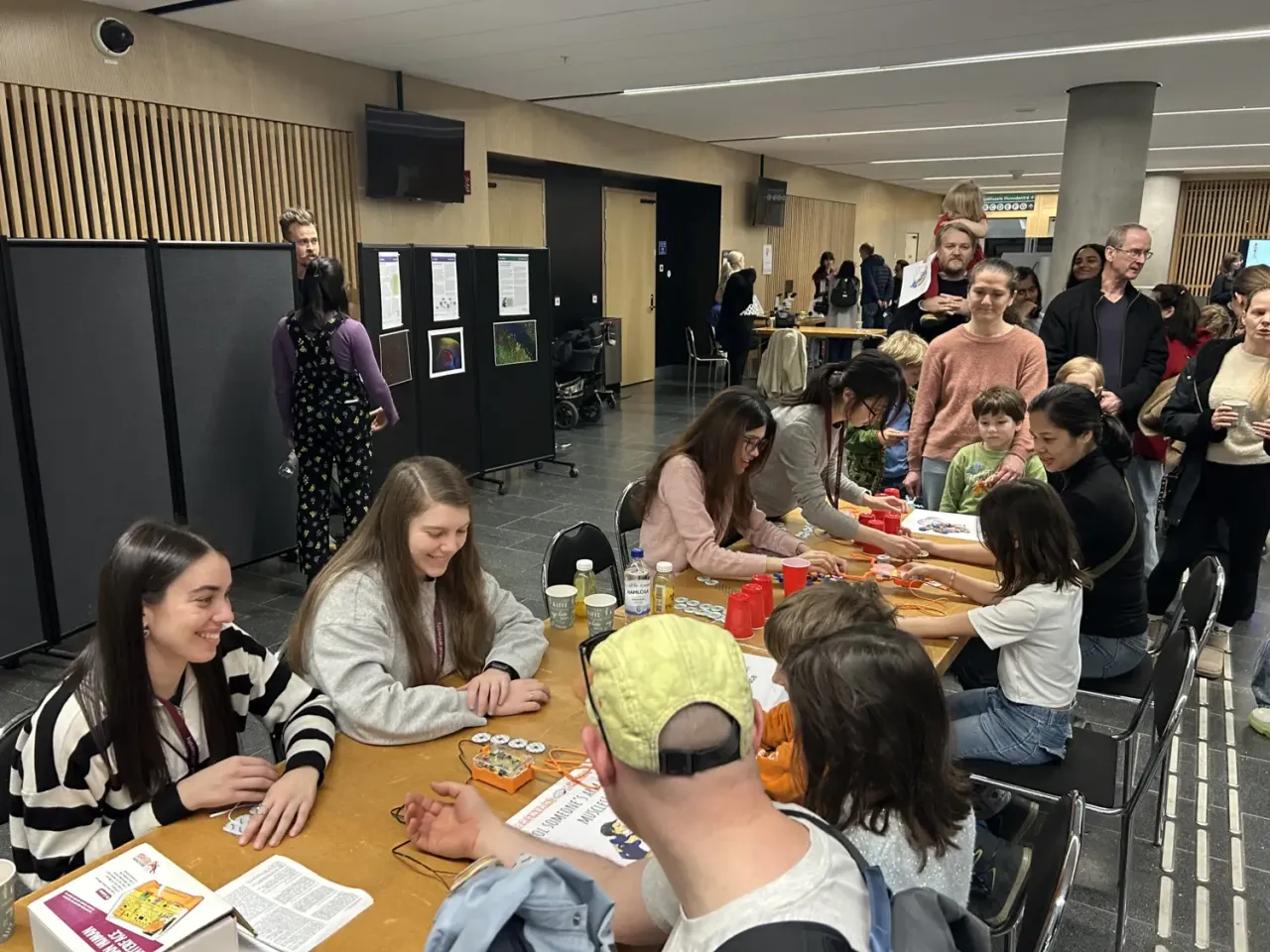
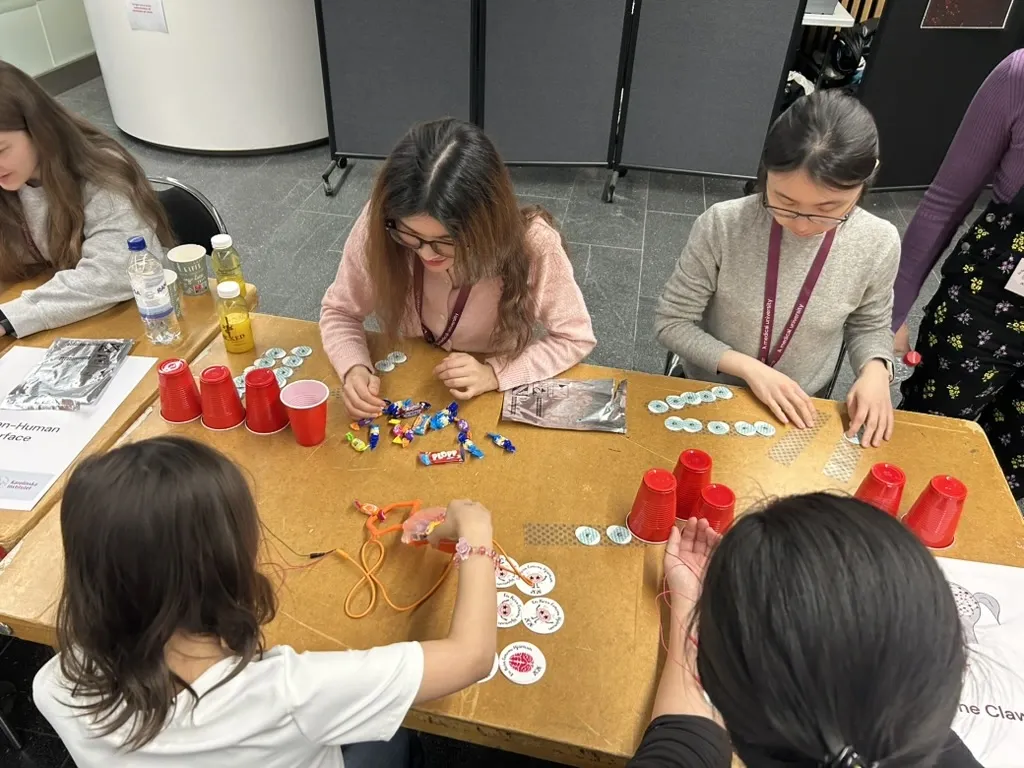
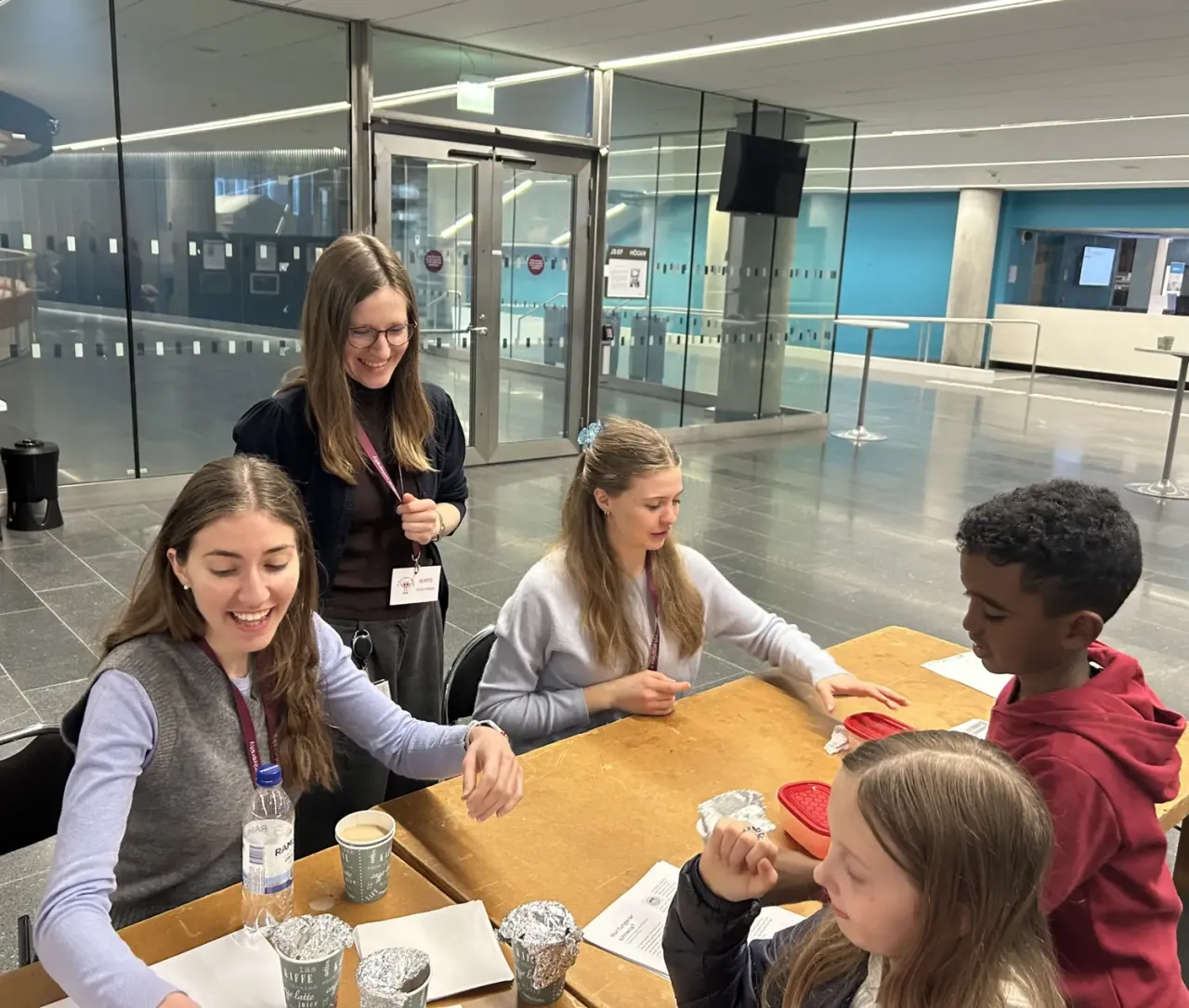
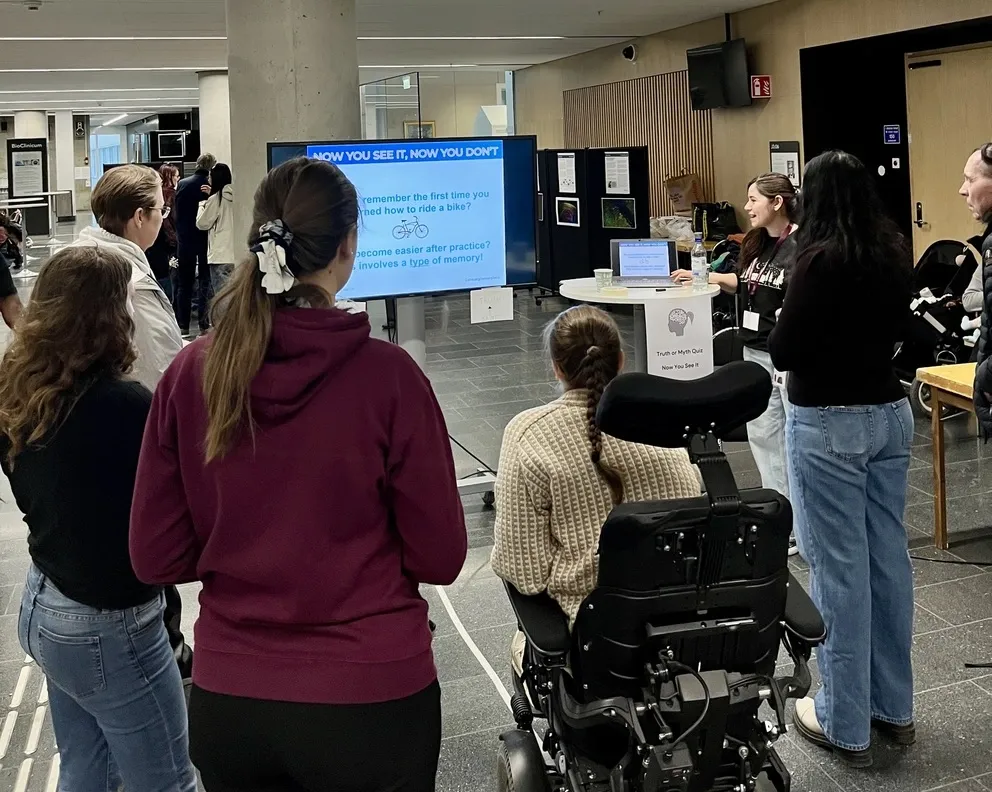
This year's event once again featured a family session in the morning, which proved to be extremely popular. The interactive stations were busy throughout the entire session, as families explored neuroscience together. Visitors had the chance to observe neurons under a microscope, build brain and neuronal models, control someone else's arm, and challenge their senses in a series of hands-on workshops. The session was filled with energy, as curiosity was at its peak - with questions being asked, experiments being tested, and the wonders of the brain being discovered throughout the morning.
Our interactive stations included:
- The Backyard Brains station - control a robotic claw or even someone else's arm.
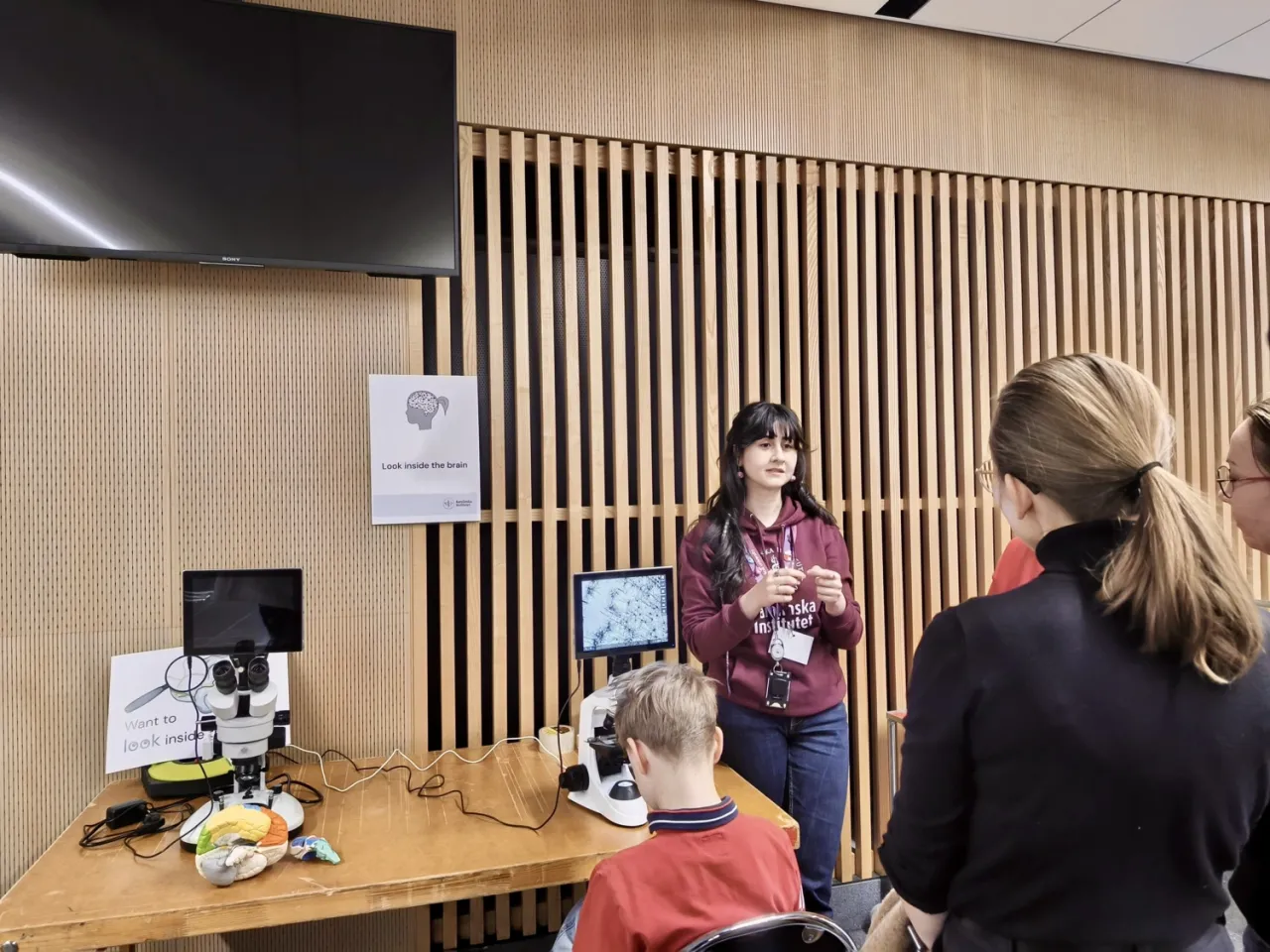
- The microscopy station - examine real brain slides under the microscope and gain a deeper understanding of neuroanatomy.
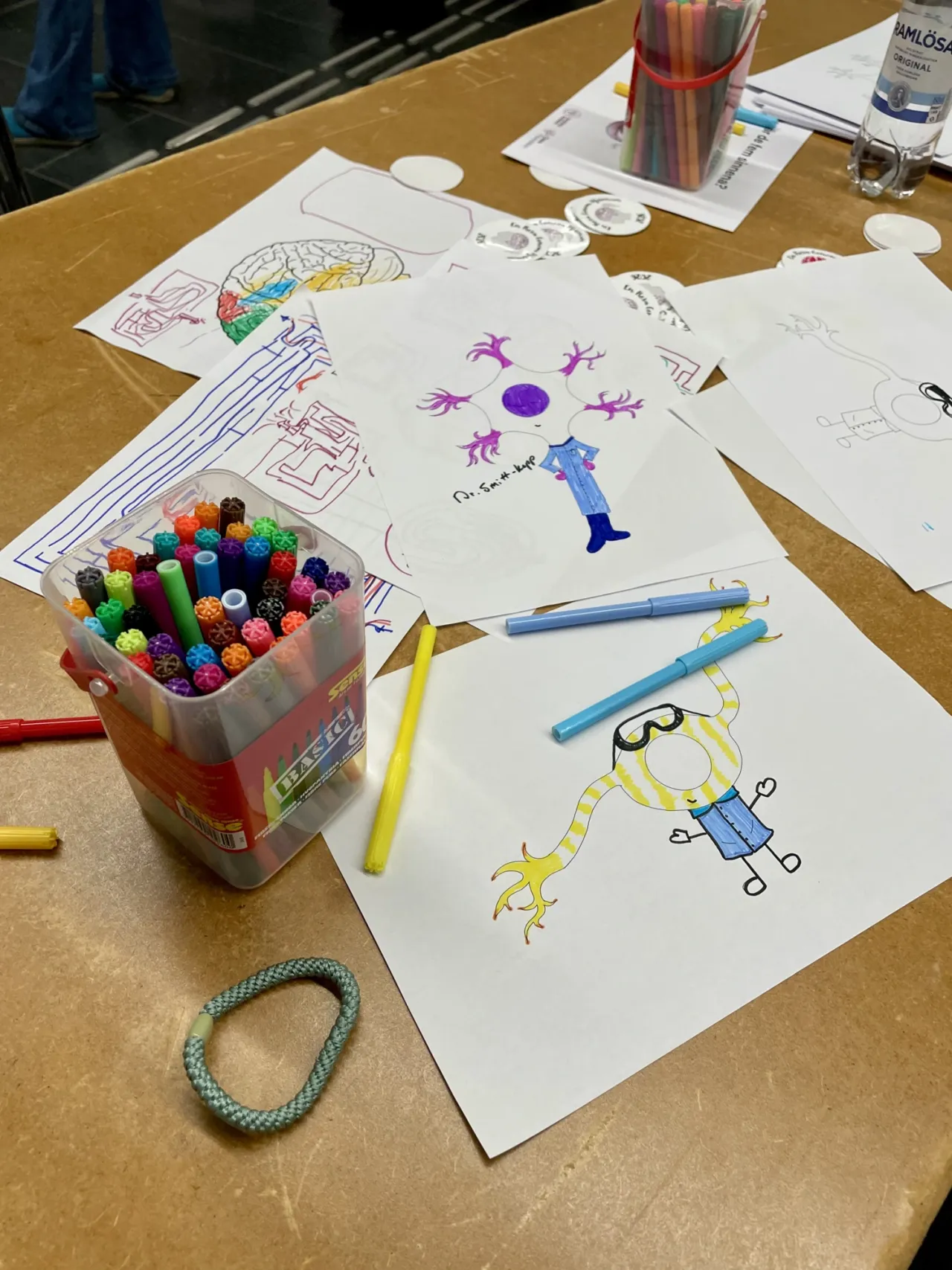
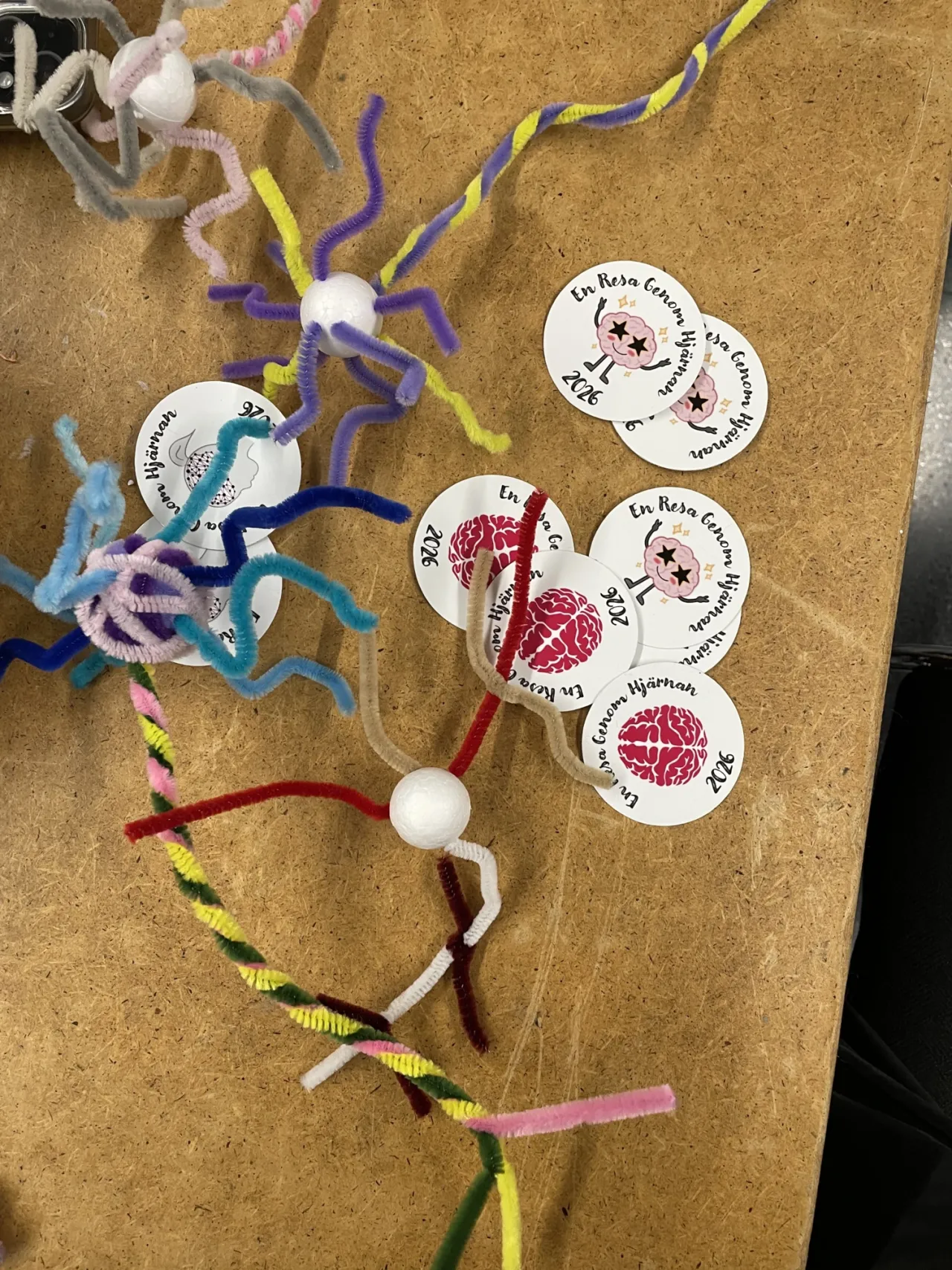
- The neuron and brain crafting stations - build their own model brains and neurons to take home.
- The neuron painting station - express their creativity while learning about brain cells.
- The "Expose Your Nose" station - explored their sense of smell.
- The "Truth or Myth" station - test their knowledge of neuroscience.
- The tactile perception station - challenged their tactile recognition skills.
In addition to these stations, workshops were held to highlight the importance of mechanisms protecting the brain, explain how the somatosensory system works and how memories are stored. Through interactive activities and hands-on demonstrations, these workshops provided a fun and engaging way to explore the brain, making complex neuroscience concepts accessible, interactive, and enjoyable for all.
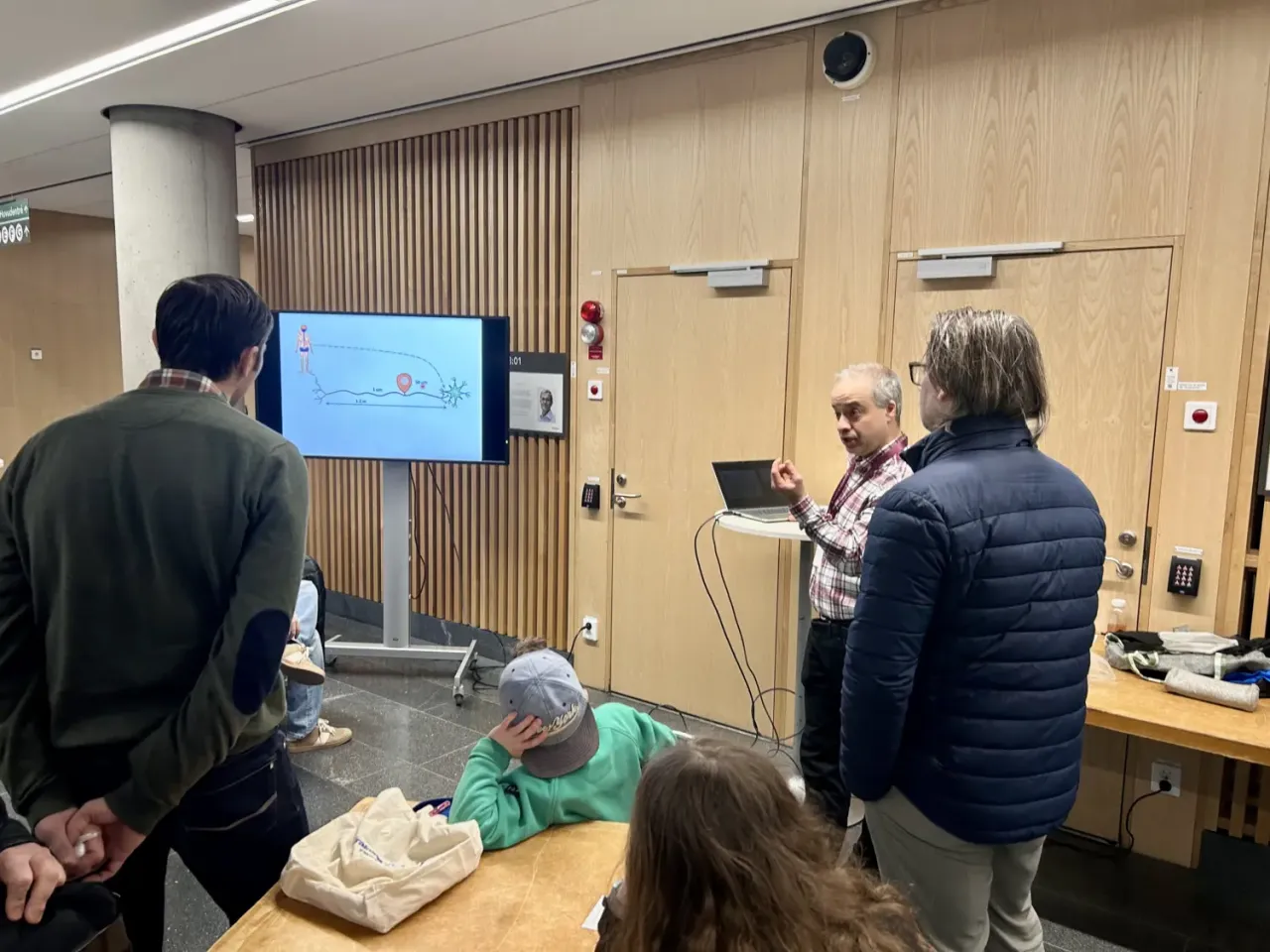
The afternoon session featured a series of engaging lectures by leading neuroscience experts:
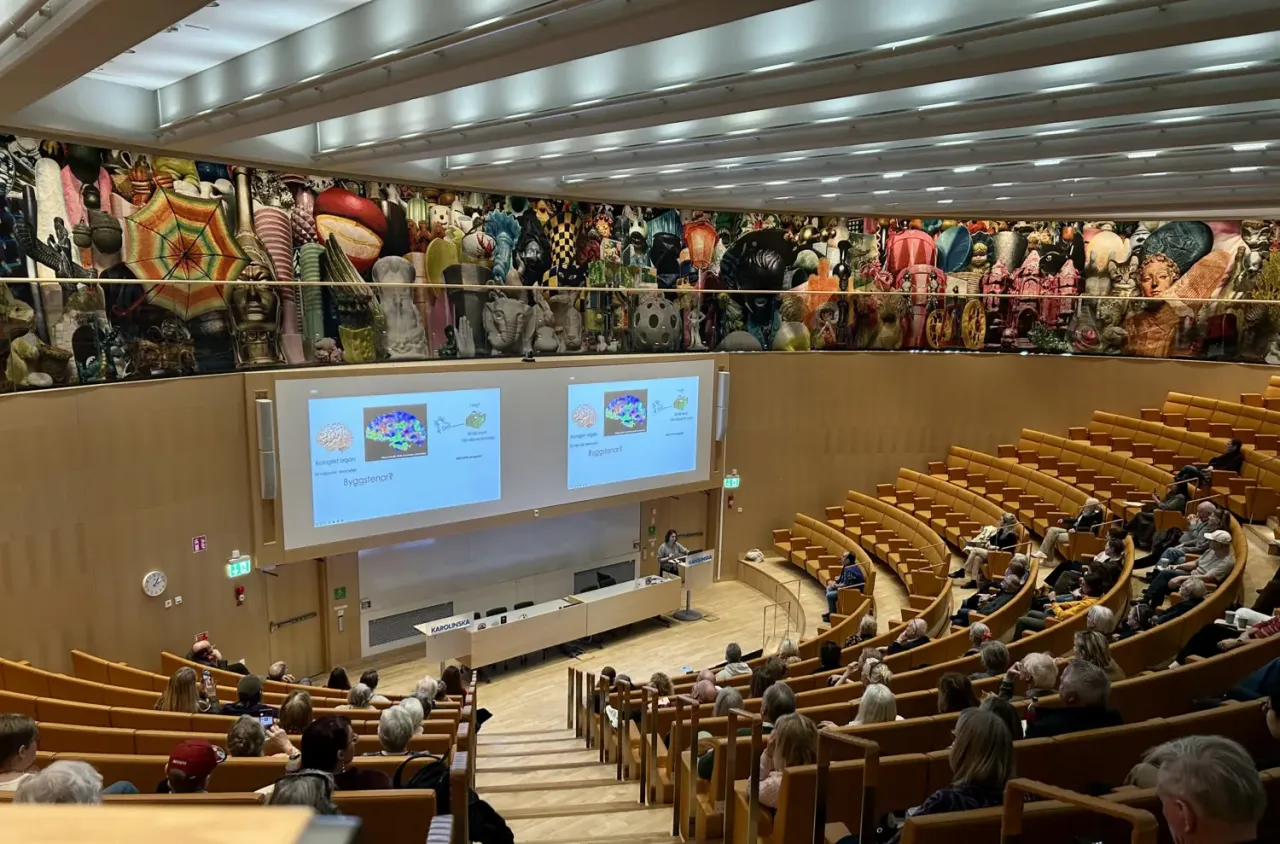
- Marie Carlén talked about scientific approaches to study the brain from a systems neuroscience perspective.
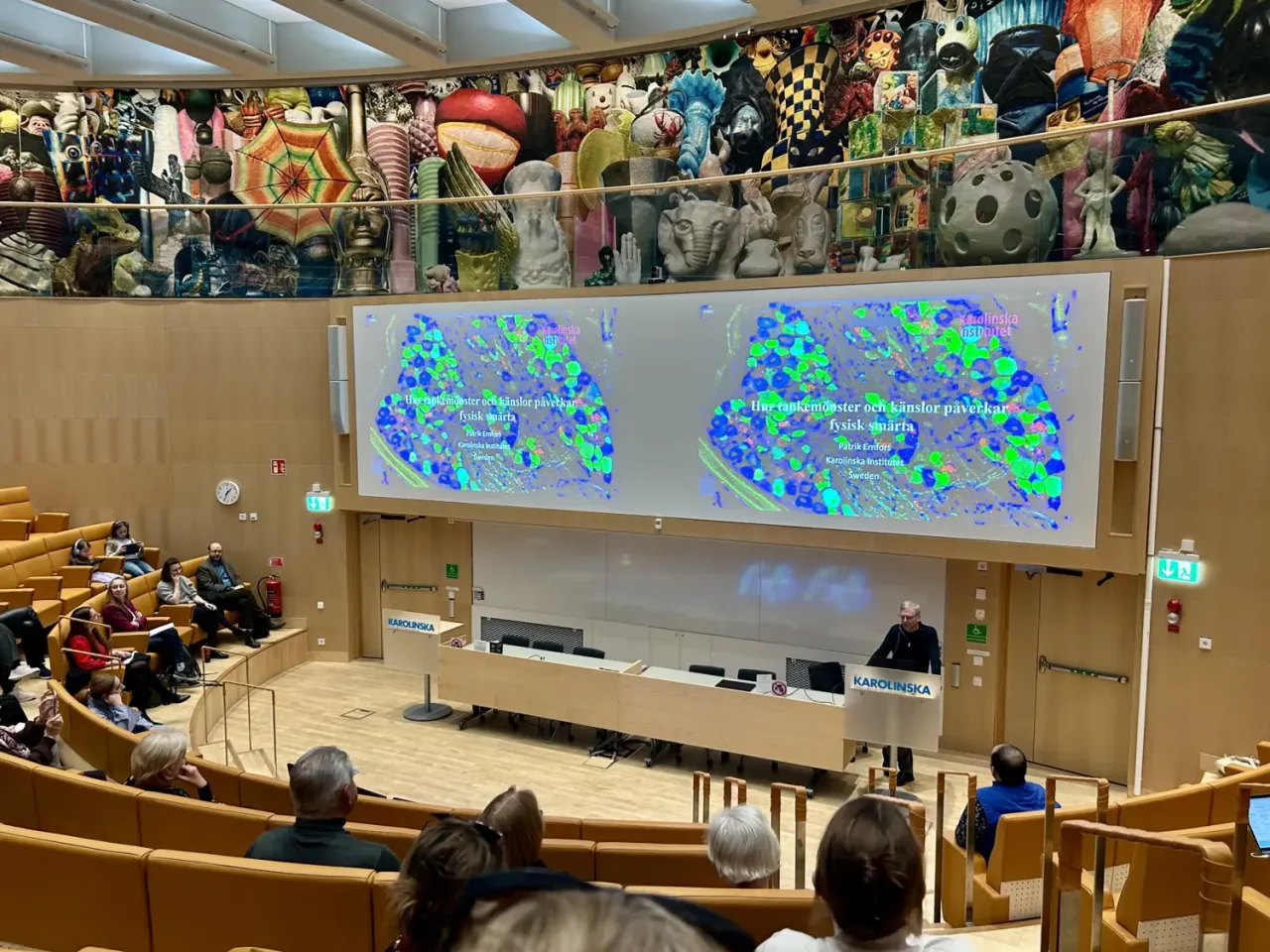
- Patrik Ernfors explored the neuroscience of how pain is modulated.
- Gabriela Markovic provided insights into cognitive training after brain injuries.
Special thanks to our host, Jens Hjerling-Leffler, and to our moderator, Amina Manzoor, for leading us through an inspiring and engaging afternoon.
Lectures from "En resa genom hjärnan"
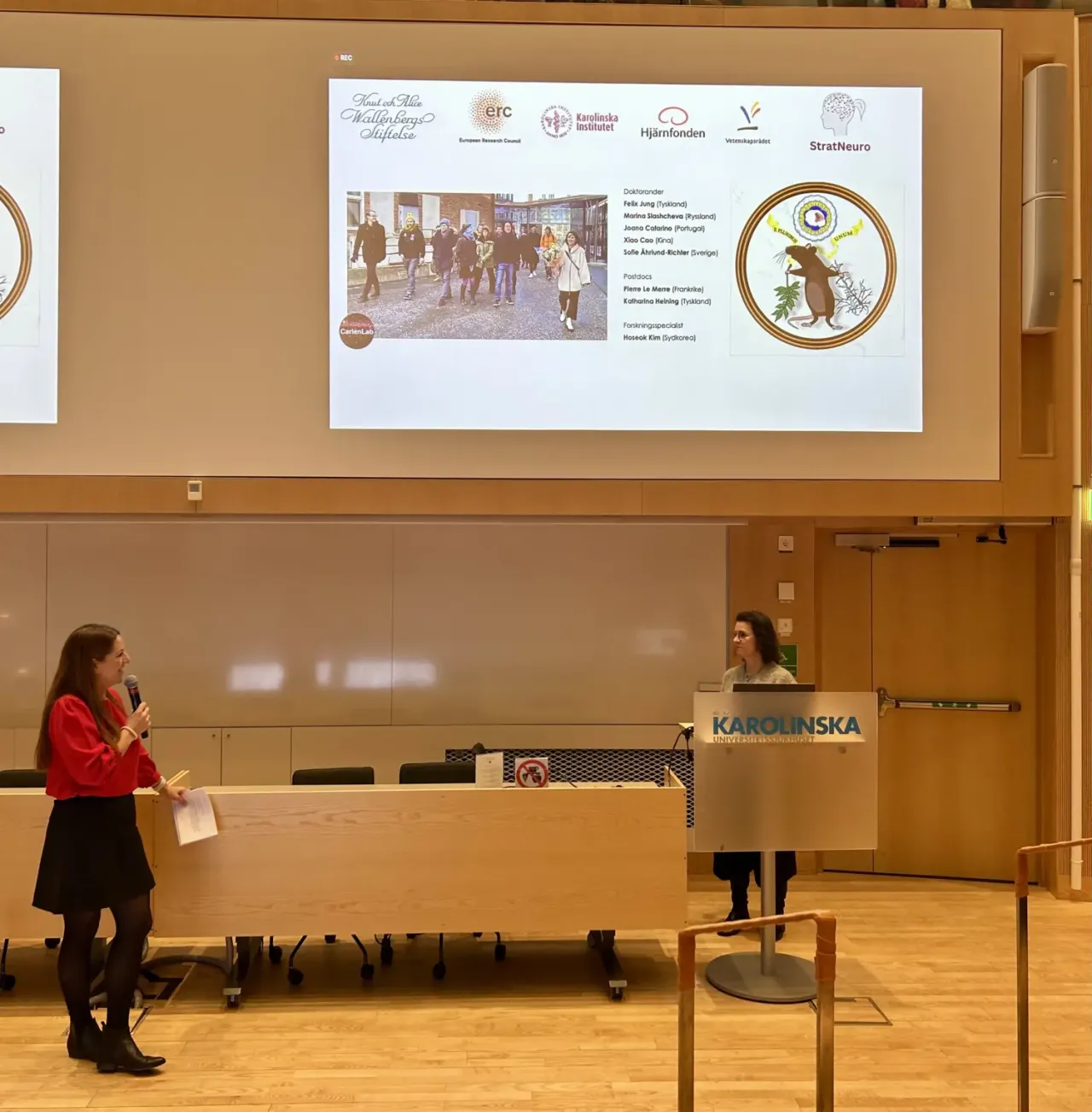
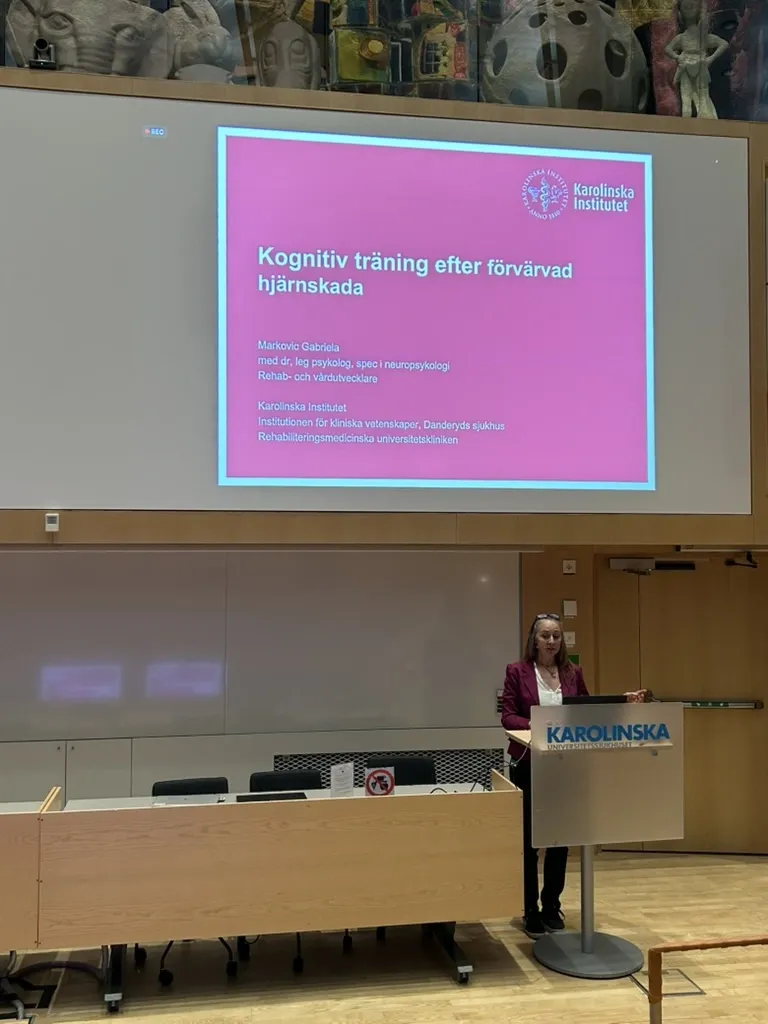
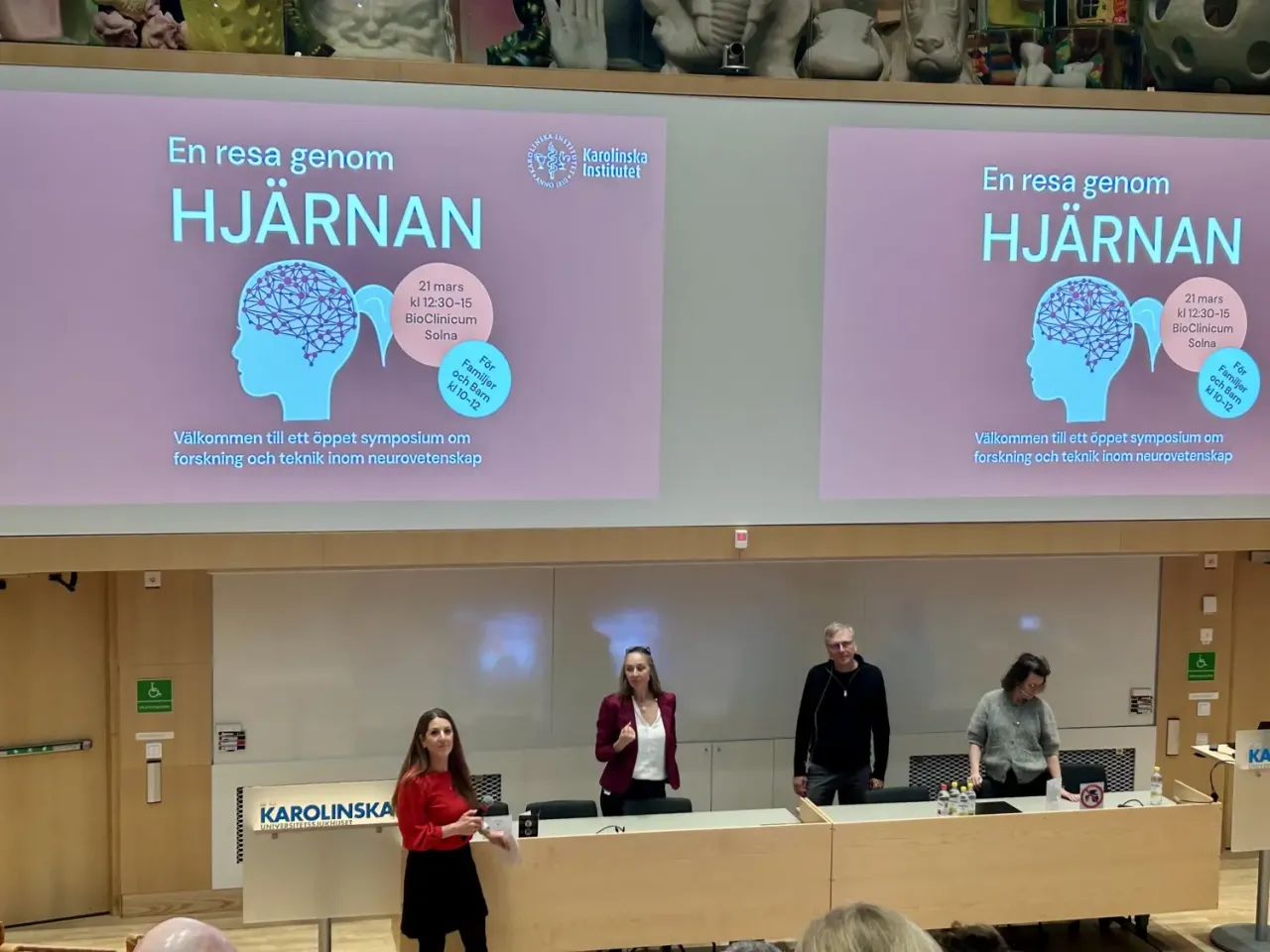
We would like to thank our wonderful organizers, whose dedication made this event come together: Abishek Arora, Ann-Kathrin Knak, Asimenia Gkogka, Ilknur Safak Demirel, Joana Catarino, Mariline Mendes Silva, Surim Son, Vlada Iuliana Panfil, Zeynep Okur. We extend our heartfelt thanks to all the volunteers, whose support and enthusiasm were essential in making this day a success: Ana Rita Costa; Aurora Boschini Roine; Birte Schmid; Devin Benson; Dmitry Usoskin; Esra Öncel; Iacob Mihailescu; Ivan Morozov; Laura Pintado; Leander Mrowka; Magdalena Krubner; Maiia Domina; Nannan Zhang; Snezhana Polishchuk; Wanmin Dai; Xiaohang Xu.
To all who joined us on Saturday: thank you for bringing such energy and interest to our journey through the brain. We hope to see you again next year.
Brain Awareness Week is a global campaign aimed at raising public awareness and fostering enthusiasm for advances in brain health and neuroscience research. It is a legacy initiative of the Dana Foundation , reflecting its long-standing commitment to supporting neuroscience outreach and education. Next year, Brain Awareness Week will take place from 15 to 21 March 2027.