
The geopolitical tremor in the Strait of Hormuz has sent fertiliser prices into the stratosphere. But amid the devastating loss of life and destruction already unfolding, farmers and families are also being forced to worry about the cost of the next harvest, a different kind of machinery is whirring into motion in Washington and Brussels: the lobbying machine. Now is the time to break free from their playbook and implement just solutions that feed people, not corporate pockets.
History shows that for big agribusiness, a global crisis is less of a disaster and more of a strategic opportunity. We are about to witness a masterclass in how to parlay "food security" fears into corporate welfare and the gutting of environmental protections.
But we know their playbook!
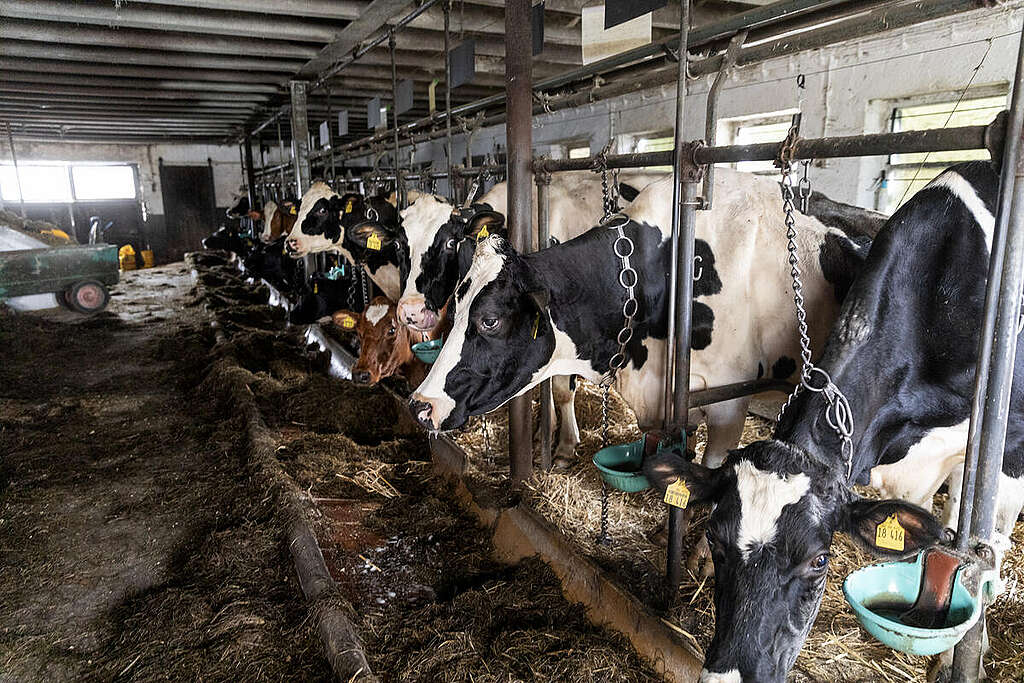
It's time to cut through corporate lies, cut agriculture emissions and shift towards sustainable agroecology.
1. Weaponising "food security"
Expect the term "food security" to be hollowed out and weaponised. Large-scale industrial players are already positioning themselves as the only thing standing between the public and empty shelves. In truth, it is this highly consolidated, chemical-dependent model of industrial farming that is making our global food system so fragile in the first place.
Their narrative is calculated: The world is in chaos, so the government must stop "burdening" agribusiness with regulations. They will attempt to use a temporary supply chain shock to permanently dismantle hard-won environmental standards.

2. The demand for deregulation
Their immediate targets are always environmental and community safeguards. Under the guise of "unleashing production," lobbyists are likely to push for:
- Suspending rules to allow the spreading of animal manure, sacrificing groundwater safety and community health.
- Stalling pesticide reduction laws with false claims that they threaten food security, despite scientists proving that long-term security is impossible without healthy soil and pollinators.
- Forcing legal bypasses to destroy millions of hectares of land previously set aside for bees, birds and soil recovery.
This isn't the first time we've seen this script. During the 2022 supply chain shock that followed Russia's invasion of Ukraine, the same type of lobbyists leveraged geopolitical instability to wrangle these concessions out of the European Commission. History is repeating itself as the European farmers' lobby (Copa-Cogeca) is seizing this crisis to demand even more environmental rollbacks.

We're also seeing lobbyists coming out in force in the UK and the US where, in a letter to President Donald Trump, the American Farm Bureau Federation took a predictable "emergency" stance, stating:
"The current volatility requires an immediate suspension of regulatory hurdles… We cannot prioritise administrative red tape over the ability of American farmers to feed a world in crisis."
What this statement obscures is how farming has shifted from locally-owned, resilient family businesses to massive industrial "factory" operations run by some of the world's wealthiest corporations. The factory farming model is inherently fragile - as soon as one gear in the global supply chain snaps, the entire machine breaks down.
3. The great public-to-private wealth transfer
While big business demands less "interference" from the state in the form of rules, they are simultaneously demanding more "interference" in the form of cash. Agribusiness is archetypal of a system that socialises the risk and privatises the profit.
When prices are low, they dominate the market; when input prices spike, they demand "bridge payments" to keep their fragile model afloat.
Meanwhile the rest of us pay the price. The cost of cleaning up polluted drinking water, for example, generally isn't paid by Big Ag. It's paid by everyday families, through taxes and rates.
The predictable outcome?
- Taxpayers ultimately foot the bill for emergency fertiliser subsidies, effectively bailing out the super rich Big Ag executives.
- Farmers remain trapped in a cycle of chemical addiction, lining the pockets of fertiliser giants like Nutrien and The Mosaic Company. During the 2022 crisis, these two companies saw their profits reach staggering record highs while farmers struggled to break even.
- Agribusinesses announce record windfall profits, fuelled by the very volatility they claimed would ruin them. In 2022, Cargill reportedly raked in a record US $165 billion in revenue - a 23% increase, during a global food crisis.

Real food security comes from your local farmer
If we want true independence, we have to stop propping up chemical-addicted industrial farming. Local, ecological farming is the only real path to food sovereignty. By working with nature to fix nutrients in the soil naturally, farmers can break the cycle of dependence.
This does four amazing things at once:
- Saves money: Farmers slash their costs, protecting your food prices.
- Cleans our water: It stops toxic chemical run-off from polluting our rivers and drinking water.
- Protects wildlife: It restores space for bees, birds, and biodiversity.
- Fights climate change: It cuts the massive emissions of the industrial food system.
Real food security isn't something we can buy from a chemical factory in another country. It doesn't come from trading off clean drinking water for more polluting production. And it certainly doesn't come from handing over more cash to the already-wealthy.
Here's what should happen instead
Short Term: Stop bailing out the corporate middleman. If emergency funds are deployed, they should go directly to regular people to offset food costs, rather than into the bank accounts of chemical suppliers and millionaire shareholders.
Long Term: Fund the transition, not the status quo. Food security is grown from the ground up through healthy soil and local resilience.
We cannot allow the greed of the agribusiness lobby to use this crisis as a mandate for deregulation. It is time to fund a model that serves our communities and our planet, not just the billionaires at the top of the food chain.
It's time to cut through corporate lies, cut agriculture emissions and shift towards sustainable agroecology.
Amanda Larsson is the Food and Agriculture Global Campaign Lead at Greenpeace Aotearoa.


