
A Finnish team of researchers will be visiting KI on 17 March to present their examination of the 82 human remains that KI repatriated to Finland two years ago. Archaeological sampling has revealed new information about how these individuals lived their lives. The bioarchaeologists will be presenting their findings at an open seminar, which will be followed by a panel debate.
The remains, mostly skulls, were brought to Sweden and KI by Professor of Anatomy Gustaf Retzius and his two colleagues in 1873. Retzius's research was conducted in what was then the field of physical anthropology and "craniology", and the skulls from Finland were added to KI's anatomical collection.
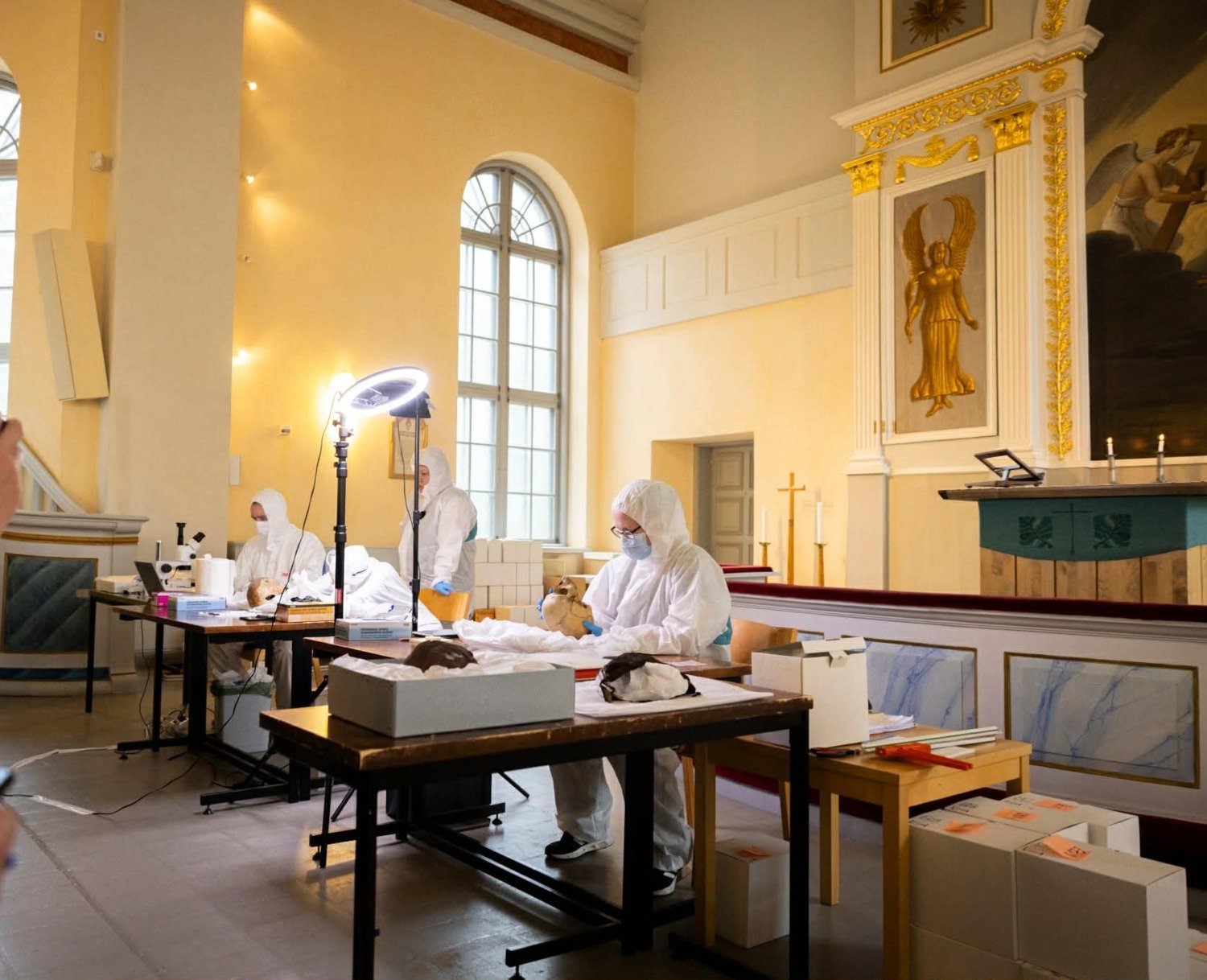
Most of the repatriated remains came from the cemetery ruins in Pälkäne, others from various burial sites around Finland. The repatriation also included skulls donated to Gustaf Retzius's father Anders Retzius by Helsinki University, a few of which belonged to prisoners who died while incarcerated in Sveaborg/Suomenlinna fortress.
Extensive bioarchaeological analysis
The finish researchers, led by Ulla Nordfors, docent of bioarchaeology, began their examination of the remains in the autumn of 2024. Applying DNA and protein analyses, they have been able to ascertain the age of the individuals and where they came from.
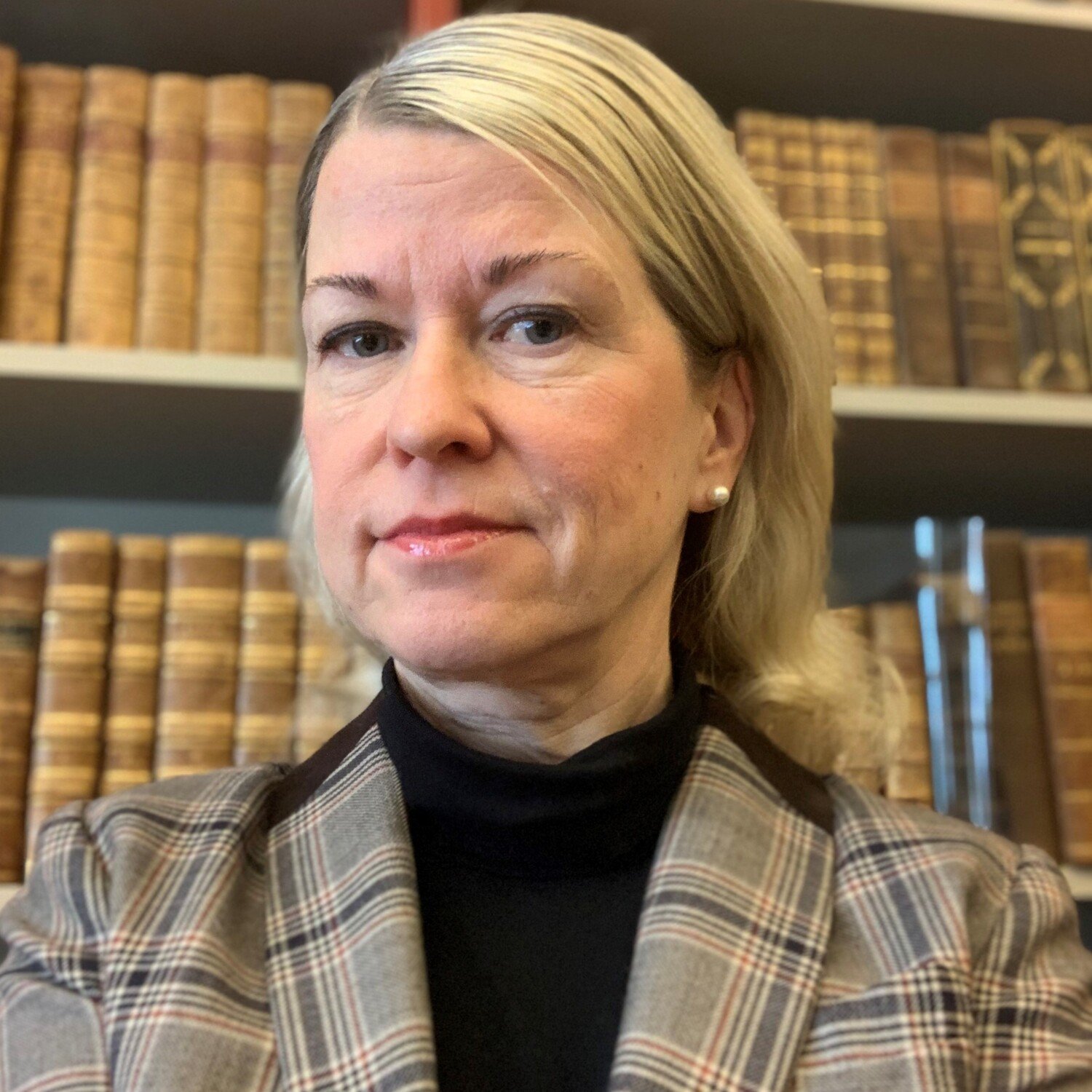
"Another goal of our examinations has been to identify the original burial sites of those individuals whose place of interment was unknown," says Ann Gustavsson , osteologist and antiquarian at KI's Medical History and Heritage Unit (MHK), who was in charge of the return of the remains to Finland. "I'm very much looking forward to the visit and finding out what they've discovered."
In October 2022, Ole Petter Ottersen, then KI President, sent a letter to the Swedish government emphasising that KI wants to return the remains to Finland. The Finnish remains were repatriated from KI to Finland on 20 August 2024.
Open seminar, 17 March
The symposium is open to everyone and will take place on 17 March from 5.30 to 7.30 pm in the Eva and Georg Klein Hall , Biomedicum, Solnavägen 9. The research team's presentation will be followed by a panel debate.


