
Groundbreaking study counts species across continents and countries, highlighting urgent gaps in biodiversity knowledge
The world has far more bees than anyone realised. Scientists have, for the first time, estimated just how many species of bees are out there on a global scale, offering a clearer look at how these vital pollinators are distributed around the planet. The landmark study, led by University of Wollongong (UOW) evolutionary biologist Dr James Dorey, provides the most comprehensive count to date — broken down by continent and country — calculating there are, at a minimum, between 3,700 and 5,200 more bee species buzzing around the world than currently recognised.
The research, outlined in a new paper published today (Tuesday 24 February) in Nature Communications, lifts global estimates to between 24,705 and 26,164 bee species reveals a richer and more complex picture of the world's bees than ever before. The findings highlight how many bee species remained unclassified or overlooked, showing that even our much-loved pollinators are not fully understood, and that closing these knowledge gaps is crucial for conservation and food security.
"Knowing how many species exist in a place, or within a group like bees, really matters. It shapes how we approach conservation, land management, and even big-picture science questions about evolution and ecosystems," Dr Dorey said. "Bees are a perfect example. They're keystone species; their diversity underpins healthy environments and resilient agriculture. If we don't understand how many bee species there are, we're missing a key part of the puzzle for protecting both nature and farming."

Island nations, which are known to host large numbers of endemic species while at the same time are disproportionately impacted by climate change, are home to a richer diversity of bee species than continental nations, bringing their conservation importance to the forefront.
Since 1960, the paper outlines, scientists have been discovering and naming around 117 new bee species every year. The relatively steady pace suggests that the slowdown is not because there are no new species to find, but rather there aren't enough experts to describe them all. It is, Dr Dorey said, a taxonomic bottleneck. If discoveries continue at the same rate, it could take, at a minimum, another 30 to 45 years before scientists are able to fully close this knowledge gap.
"Wild bee conservation, research, and taxonomy around the world faces challenges, including regionally poor data, extinctions, poaching, rare conservation assessments, political and cultural barriers, and national restrictions to sharing and collaboration," Dr Dorey said. "These challenges are particularly evident in Africa, Asia, and many countries in Central and South America, where high species diversity bumps up against a lack of capacity and funding for species research and taxonomy.
"However, even in relatively wealthy countries like Australia there are issues with how we have described species, especially in that we have not used genetic data sufficiently and we are likely under-estimating the number of species that we have for this reason."
By putting good estimates on the incredible variety of species that underpin ecosystems and global food production, the research underscores the urgent need to protect biodiversity in the face of environmental change.
"The paper also provides a treasure map for where we can find new species, not just bees but other organisms too."
Scientists estimate there are around 2.2 million species on Earth, although the true number could be much higher, particularly when it comes to insects and invertebrates. Filling these taxonomic gaps — areas where scientists' knowledge is patchy or incomplete — is fundamental for tracking declines, protecting habitats, and gauging the resilience of the species that comprise our natural world.
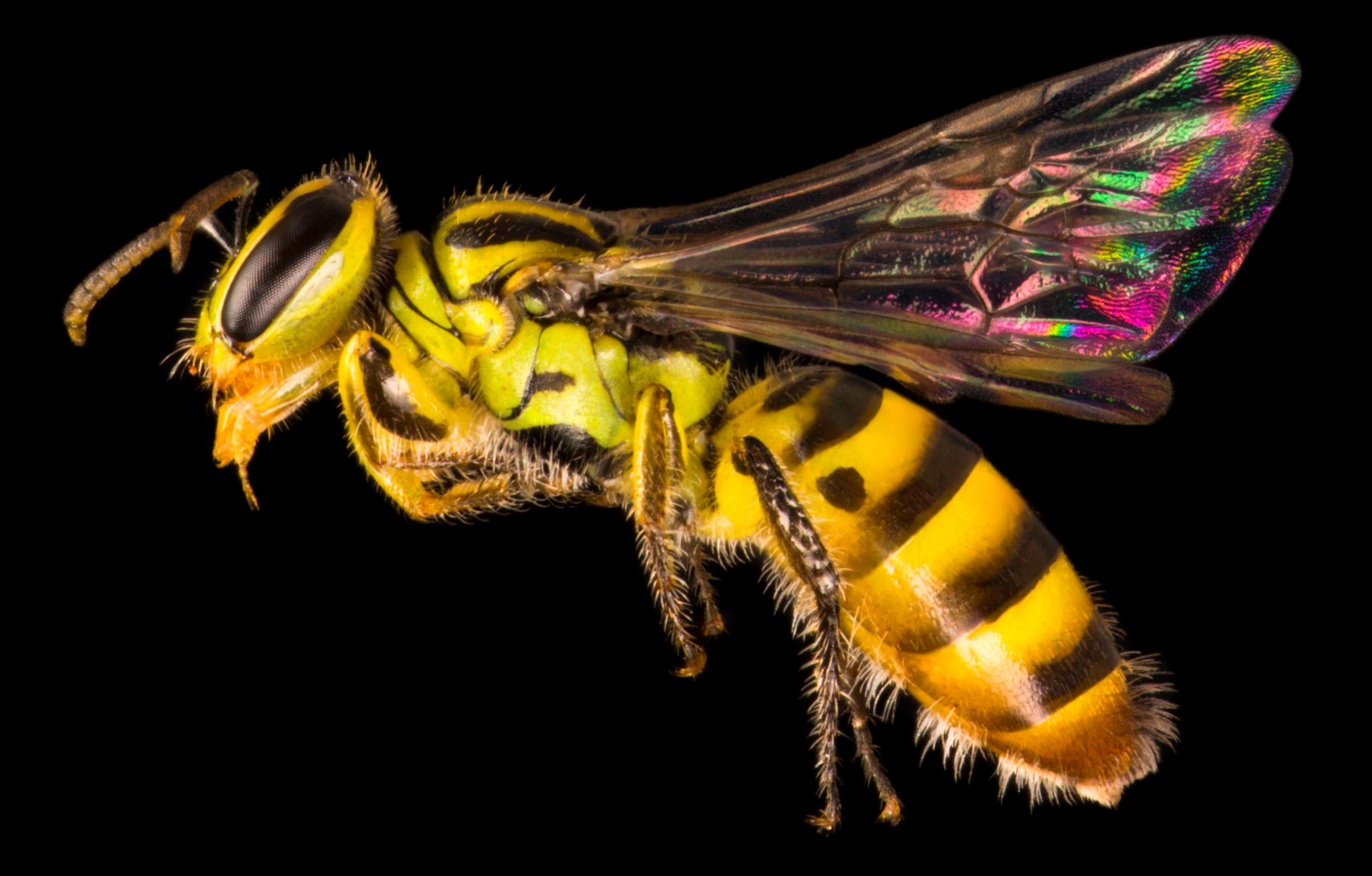
Callohesma flavopicta. Photo: James Dorey Photography
About the research
'Estimating global bee species richness and taxonomic gaps', by James Dorey, Amy-Marie Gilpin, Nikolas Johnston, Damien Esquerre, Alice Hughes, John Ascher, and Michael Orr, was published in Nature Communications: https://www.doi.org/10.1038/s41467-026-69029-4


