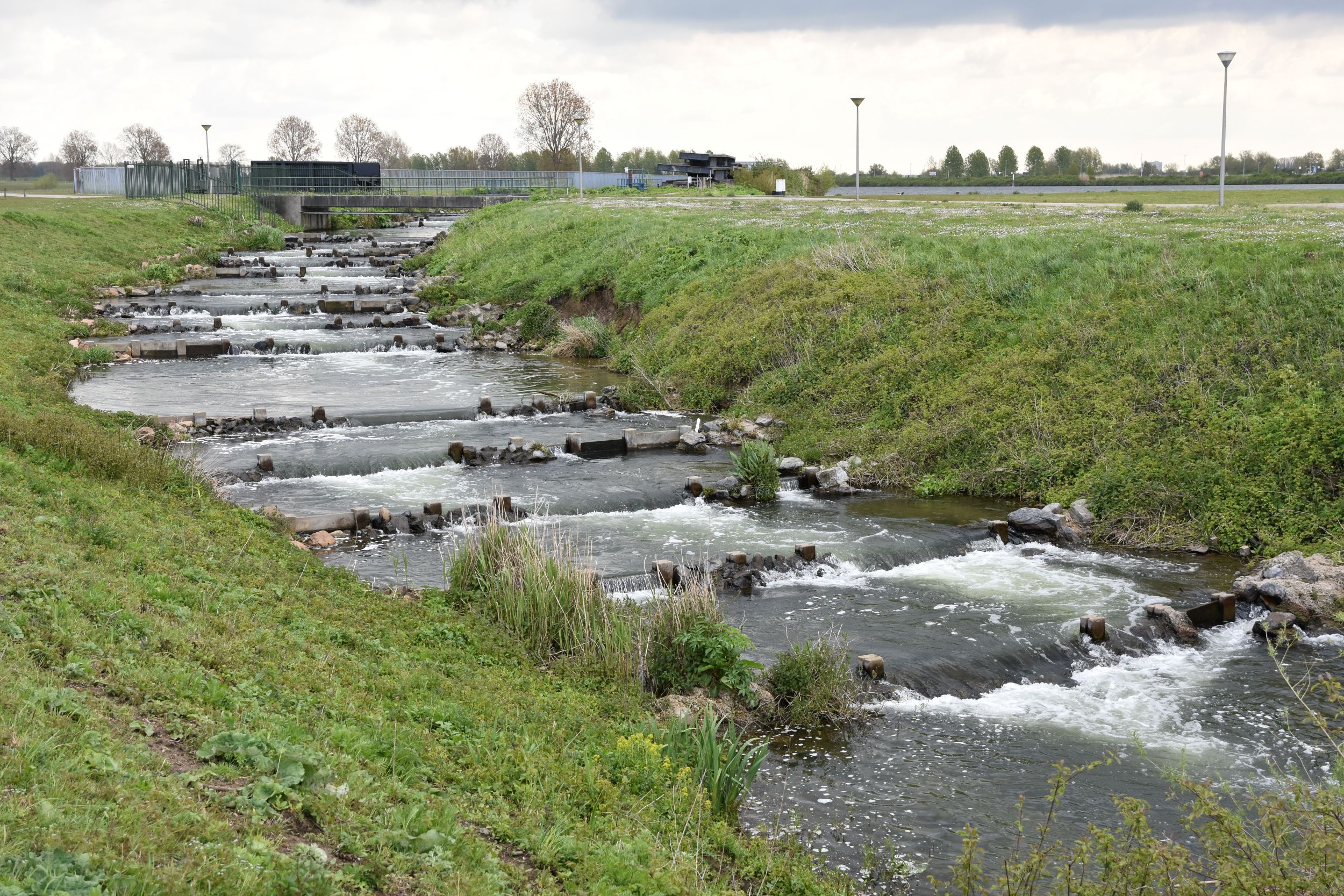
The Netherlands is constructing fish passes to make rivers and streams accessible to fish again. But how effective are these structures?
PhD research shows that successful fish migration requires more than making individual barriers passable. Maintenance and water management are also crucial.
Weirs, dams and other barriers make it difficult for fish to move through rivers and streams. Many fish species need to migrate to find food, reproduce or reach suitable habitats.
Panos Panagiotopoulos of Wageningen University & Research investigated how effective fish passes are and what is needed to restore connections between fish habitats. To do this, he analysed data from fish passes, studied fish movements in the River Vecht and examined the influence of management, maintenance and changing environmental conditions.
Tom Buijse
Nearly all native fish species make use of fish passes
Panagiotopoulos analysed data from 82 fish passes across Dutch rivers and streams. Of the 38 native fish species found in the surrounding areas, 35 were also recorded in fish passes.
Which species were recorded varied between fish passes. The timing and duration of monitoring also proved to have an influence.
"When designing and evaluating fish passes, we often focus on particular target species. But smaller fish and species that are less capable swimmers also need to be able to move through our rivers," explains Panos Panagiotopoulos. "If we want to restore biodiversity, we need to consider the entire fish community."
Eleven barriers along one river
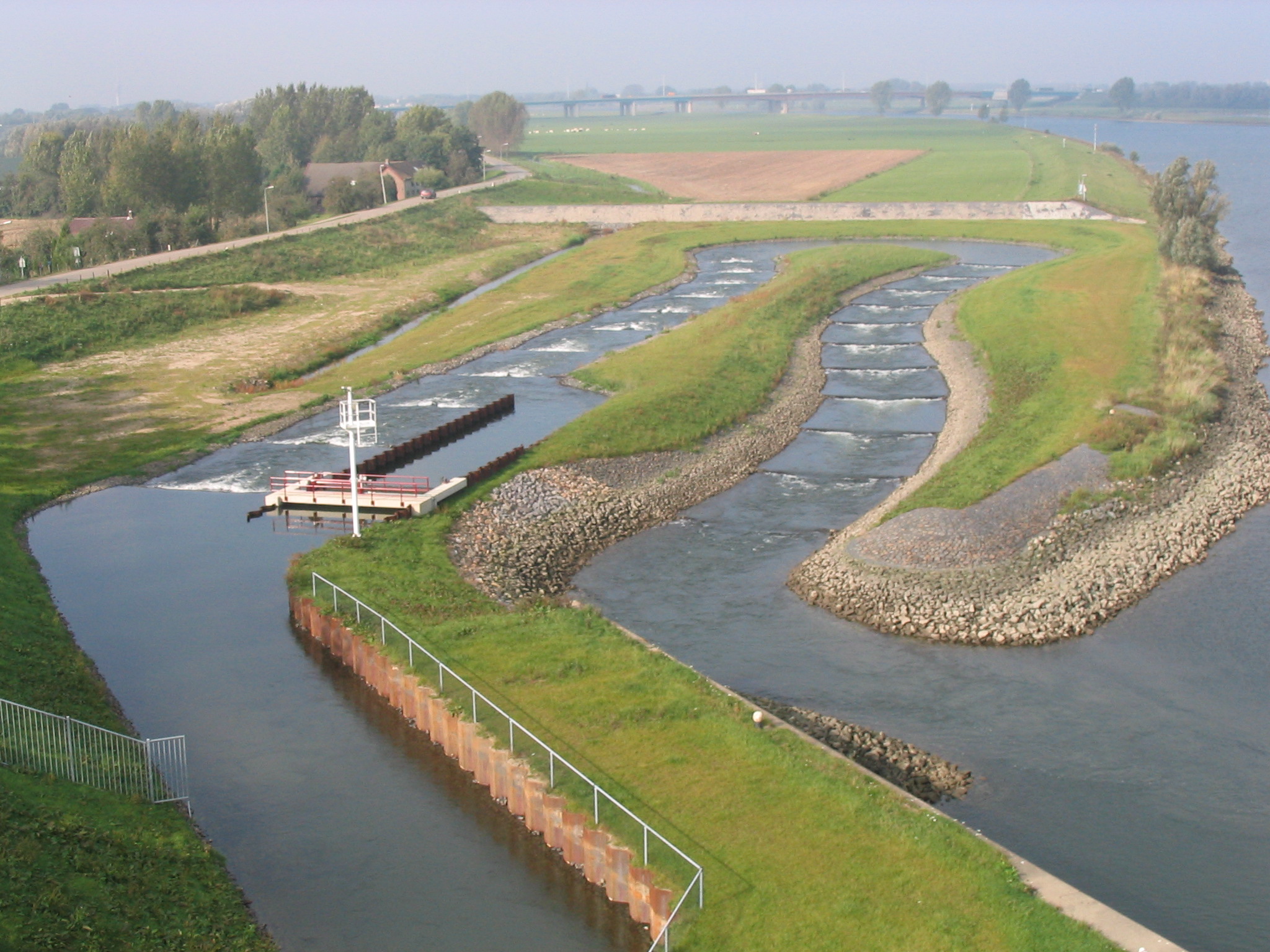
A second study focused on the River Vecht in the province of Overijssel. Here, Panagiotopoulos studied the movements of three fish species over five years: sea trout, ide and burbot. Along the migration route studied are eleven successive weirs with fish passes or bypass channels.
The results show clear differences. Sea trout passed several barriers and even migrated into Germany. Ide remained mainly within the Netherlands and passed fewer successive fish passes on average. Existing fish passes proved less effective for burbot, although some individuals did manage to pass several barriers.
Because the numbers of sea trout and burbot studied were relatively small, the results for these species should be interpreted with caution.
River discharge also played an important role. Fish passed the barriers mainly during periods of high discharge.
"A fish may be able to pass one weir, but what happens when it encounters another ten?" asks Panos Panagiotopoulos. "To know whether a river is truly accessible again, we need to look at the entire migration route. And what works for one fish species may not be suitable for another."
Tom Buijse
Maintenance is at least as important as design
Panagiotopoulos also investigated how fish passes are constructed, managed and maintained, including at the Brabantse Delta water authority.
The findings show that the effectiveness of fish passes depends on more than their technical design. Branches, leaves and aquatic plants can obstruct the passage. When maintenance is mainly carried out in spring, fish passes may function less effectively at other times of the year.
Drought also poses challenges for water managers. When water availability is limited, they must balance different interests, including agriculture and nature restoration. Climate change is expected to make dry periods more frequent and longer-lasting, making these decisions increasingly important.
"A fish pass is not something you can build and then forget about," emphasises Panos Panagiotopoulos. "Its success also depends on the people responsible for maintenance and water management. They are just as important as the biologists and engineers who design the fish pass."
Why do fish populations not always recover?
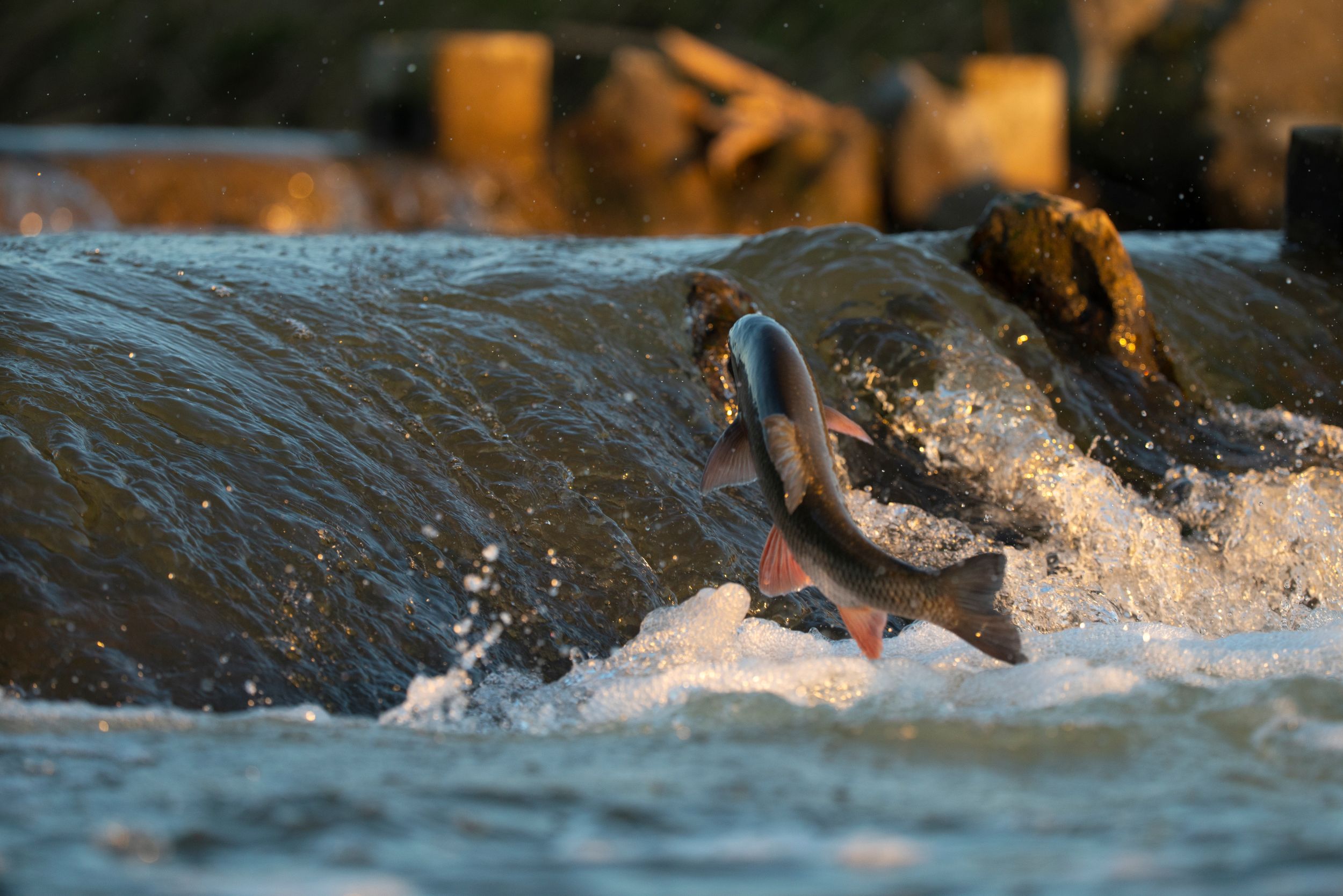
But even when rivers become more accessible, this does not necessarily mean that fish populations will recover. This is shown by research in the Dommel catchment, where Panagiotopoulos examined ecological developments over a period of 22 years.
During this period, measures included the construction of fish passes, the removal of barriers, the re-meandering of rivers and streams, and measures to improve water quality.
Despite these efforts, the fish communities studied did not show the expected recovery. Ecological quality scores for fish declined, while those for small aquatic invertebrates improved.
The analyses also show that fish densities declined following years with dry summers. This suggests that drought may limit the positive effects of restoration measures.
Arthur de Bruijn
Nature restoration requires a broader approach
These findings are relevant to water managers working towards the objectives of the European Water Framework Directive and the restoration of freshwater ecosystems.
"The ultimate goal is not to construct as many fish passes as possible, but to restore healthy rivers with viable fish populations," emphasises Panos Panagiotopoulos. "To achieve this, we need to look not only at what we build, but above all at what it actually delivers for nature."