AUSTRALIA - The L'Oréal-UNESCO For Women in Science Fellowship program is proudly celebrating a significant milestone, with five exceptional female scientists recognised as part of the initiative's 20th year in Australia and New Zealand.
From developing AI-powered tools to detect the earliest signs of breast cancer, to uncovering hidden viruses that could shape future pandemic preparedness, these researchers are redefining what science can achieve for people, communities and the planet.
Recognising a new generation of women whose groundbreaking research is helping address some of the most pressing challenges of our time, the Fellowship continues to champion women in STEMM by providing flexible funding, mentorship and visibility at a pivotal point in their careers.
Each Fellow receives $25,000 to advance their research and professional development, with the flexibility to use the funding in ways that support both their scientific ambitions and personal circumstances.
Created in partnership between Fondation L'Oréal and UNESCO in 1998, the program was launched in Australia and New Zealand in 2007. It has since invested more than $2 million in nearly 100 female scientists helping remove barriers that continue to limit women's participation, progression and leadership in science.
More than a grant, the Fellowship is built on a powerful network of mentoring, leadership and advocacy. Through the program's dedicated Mentoring Scheme, Fellowship Alumnae guide and support emerging women researchers, creating a cycle of connection and opportunity that strengthens the future of STEMM.
While progress has been made, significant inequities remain. The Australian Government's 2026 STEM Equity Monitor shows that improving participation, retention and advancement of women in STEM remains an important national priority. The Monitor underscores the importance of initiatives that not only recognise scientific excellence, but actively invest in creating more equitable pathways to leadership.
Alex Davison, Chief Executive Officer, L'Oréal Australia & New Zealand, said the For Women in Science program remained a vital initiative for equality:
"We are delighted, as part of the L'Oréal-UNESCO For Women in Science program, to recognise five incredible female scientists who are already contributing to the betterment of the world we live in," Mr Davison said.
"As we mark 20 years of this program in Australia and New Zealand, it allows us to reflect not only on the extraordinary contributions of the nearly 100 Fellows, but also the enduring impact of their vital research.
"As long as women remain underrepresented in STEMM, we're determined to continue to support the L'Oréal-UNESCO For Women in Science initiative. This also extends to our 'Girls in Science' program, which aims to inspire our next generation of female voices in science," Mr Davison added.
In 2026, the L'Oréal-UNESCO For Women in Science ceremony will honour five Australian & New Zealand Fellows:
Dr Amanda Jane Oliver (QIMR Berghofer, QLD),
Dr Mary Elisa Petrone (University of Sydney, NSW),
Dr Hani Kim (Garvan Institute of Medical Research, NSW),
Dr Jennifer Matthews (University of Technology Sydney, NSW)
Dr Mariana Muelbert (Liggins Institute, NZ).
Together, these pioneering researchers are helping shape the future of science, driving breakthroughs across immunology, artificial intelligence, marine science and maternal health.
Meet the fellows…
|
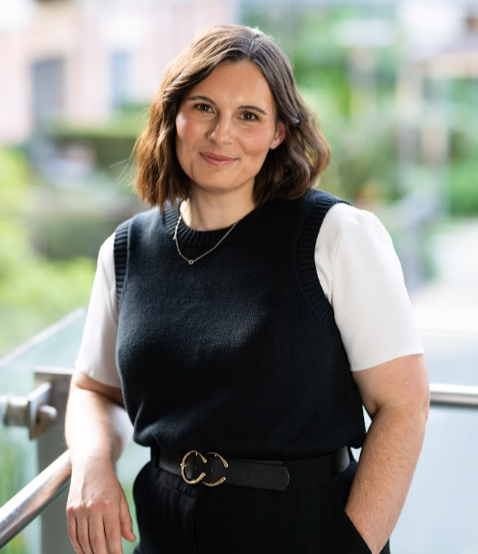
Dr Amanda Jane Oliver QIMR Berghofer Understanding how the gut and lungs communicate with the immune system to fight chronic disease. Dr Amanda Jane Oliver has built an international reputation studying one of the body's most overlooked defence systems: the cells that line our lungs and gut. Having led research across Australia and the United Kingdom, Amanda now heads the Barrier Immunity Laboratory, where she is uncovering how these tissues actively communicate with the immune system and what happens when those critical signals break down. Her research focuses on inflammatory bowel disease (IBD), asthma and other chronic inflammatory conditions. IBD alone affects hundreds of thousands of Australians and can involve debilitating symptoms, lengthy delays in diagnosis and lifelong impacts on quality of life. Her work aims to shift medicine beyond managing symptoms and towards therapies that help damaged tissues repair, regenerate and remain healthy. Amanda and her team have built one of the world's largest human gut cell atlases, mapping 1.6 million cells from almost 300 people to better understand what drives disease. Together with global collaborators, she is currently extending this work to map cells from overlooked but incredibly important infant gut samples. By combining these resources with patient-derived 'organoid' models - miniature versions of human tissues grown in the laboratory - she is helping create more personalised and effective ways to study, treat and ultimately repair chronic disease. Her research journey has also coincided with the sacrifices - and joys - of motherhood, and her two-year-old son, Ollie. |
|
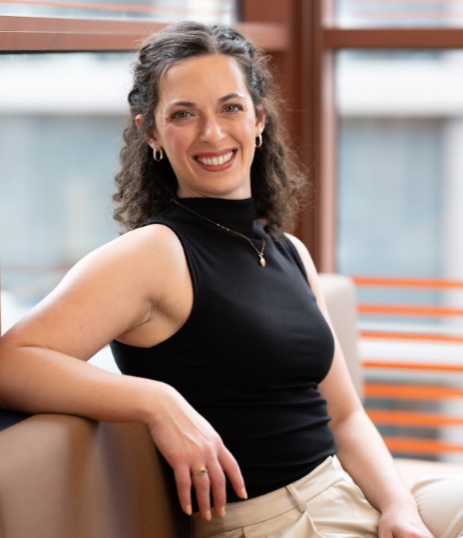
Dr Mary Elisa Petrone University of Sydney, NSW Uncovering hidden viruses in nature to better understand and prepare for future outbreaks A freshly confirmed Australian citizen, Dr Mary Petrone is a virologist whose career has spanned human health, infectious disease and marine biology. After working on human RNA viruses and COVID-19 in the United States, Mary moved to Australia five years ago to combine her expertise in virology with a fascination for marine ecosystems and love of swimming. Now an ARC DECRA Fellow at the University of Sydney, her research focuses on discovering and characterising unusual RNA viruses found in sea sponges and other marine organisms. These viruses challenge long-held assumptions about how viruses replicate, evolve and interact with their hosts. Some of these viral systems may have evolved alongside their hosts for hundreds of millions of years, providing an extraordinary window into viral diversity and evolution. At a time when global preparedness for emerging diseases remains a priority, Mary's work is helping scientists better understand how viruses behave, adapt and emerge. Equally passionate about science communication and education, she believes scientific progress is driven not only by answering questions, but by probing for deeper ones. |
|
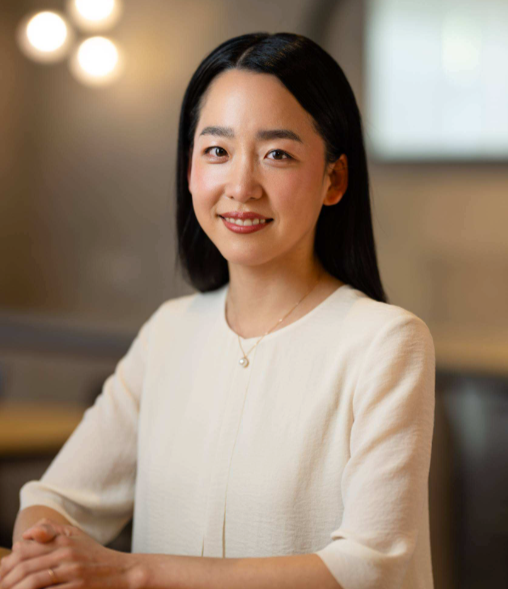
Dr Hani Kim Garvan Institute of Medical Research, NSW Using AI to bring more personalised treatment to people with breast cancer After studying in South Korea and the United Kingdom before relocating to Australia in 2018, Dr Hani Kim has built a career at the intersection of statistics, biology and artificial intelligence. Now a Senior Research Officer within the Garvan Institute's Cancer Ecosystems Program, she is applying advanced data science to one of medicine's most pressing challenges: improving outcomes for people with breast cancer. Breast cancer affects one in nine Australian women, yet treatment outcomes can vary significantly between patients. As a computational biologist, Hani uses advanced AI models to analyse vast genomic and clinical datasets, identifying which women with breast cancer may benefit from immunotherapy - helping ensure patients receive more personalised treatment sooner. Her work spans the diverse forms the disease can take, where better tools are needed to tailor treatment to each individual. By combining real patient samples with advanced AI modelling and large clinical datasets, Hani is challenging existing assumptions. Her work has the potential to expand treatment options for patients who have historically been overlooked and move medicine closer to truly individualised cancer care. It represents a significant step towards a future where cancer prevention is as precise as cancer treatment. She's also managed this, while being a doting mum to Roy. |
|
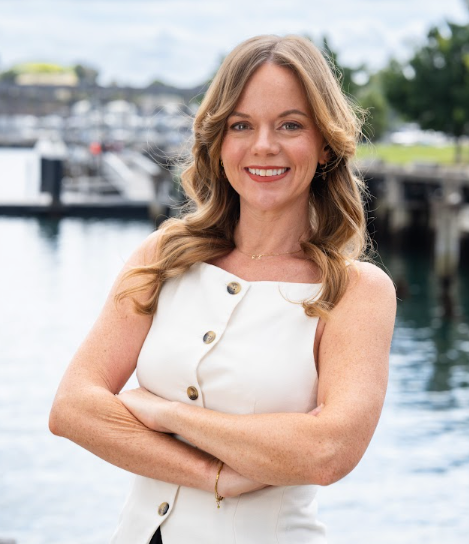
Dr Jennifer Matthews University of Technology Sydney, NSW Revealing the hidden chemistry that helps coral reefs survive a warming ocean Originally from England and having lived and worked across New Zealand, Thailand and Australia, Dr Jennifer Matthews has dedicated her career to understanding and protecting coral reefs. A marine biologist with the Future Reefs Group at the University of Technology Sydney and mother of two young daughters - including five-year-old Cora, who is already a self-proclaimed "little scientist" - Jennifer combines scientific discovery with a deep commitment to preserving the natural world for future generations. Her research focuses on the hidden chemistry that sustains coral reefs, exploring how coral, microalgae and microbes exchange nutrients and how these relationships change under environmental stress. Her work has helped shift scientific understanding of coral bleaching, showing it can also be viewed as a breakdown in coral metabolism rather than solely a response to rising temperatures. Jennifer's research has already delivered practical outcomes. While pregnant with her daughter Cora, Jennifer began considering whether baby corals, like human babies, could benefit from better nutrition during their most vulnerable stages. That idea helped inspire the development of a nutrient-rich coral 'baby food', which has been shown to double survival through early life stages, including under heat stress. With reefs, in her words, 'being lost within our lifetime and on our doorstep', Jennifer is translating discoveries about coral chemistry into practical approaches to predict, protect and restore coral ecosystems. Her work aims to help safeguard the biodiversity, fisheries, tourism and coastal communities around the world that depend on healthy reefs. |
|
Dr Mariana Muelbert Liggins Institute, NZ Improving breastfeeding, human milk science and early-life care for mothers and babies Originally from Brazil and now based in New Zealand, Dr Mariana Muelbert is a maternal and infant nutrition researcher committed to improving health outcomes for mothers and babies through better breastfeeding support and a deeper understanding of human milk. A Research Fellow at the Liggins Institute and mother to a two-year-old son Dom, Mariana's own breastfeeding experience reinforced that every feeding journey is different, strengthening her commitment to ensuring families receive timely, practical and evidence-based support. Her research sits at the intersection of maternal health, lactation science and early-life development. Through her flagship ALMA Study, Mariana is examining how common medical interventions during pregnancy and birth influence breastfeeding outcomes, human milk composition and infant health. Her work seeks to better understand what makes human milk so unique and how families can be better supported to achieve their feeding goals. Mariana is also working to improve lactation care for families experiencing infant loss. This includes educating healthcare professionals on how to support grieving parents with sensitivity when often the birthing parent may still produce breastmilk. Combining cutting-edge science with compassion, her research has the potential to improve care and outcomes for mothers and babies across New Zealand and beyond. |