
Juliette Foucher, a postdoctoral researcher at the Department of Clinical Neuroscience, Karolinska Institutet, has been selected as one of only three recipients worldwide of the 2026 ALS Scholars in Therapeutics grant. The international grant, totalling 300,000 dollars, equivalent to SEK three million, recognises promising young researchers who are shaping the future of ALS research.
ALS (Amyotrophic Lateral Sclerosis) is a group of neurodegenerative diseases that can affect people in very different ways. While all patients develop muscle weakness, some also experience changes in thinking and behaviour, and the disease can progress much faster in some individuals than in others.
This variation between patients represents one of the greatest challenges in ALS research.
Important step closer to personalised care
In the project Multimodal subtyping of newly diagnosed ALS patients using integrated proteomics, neuroimaging, and neuropsychological profiling, Juliette Foucher investigates the biological and clinical heterogeneity of ALS.
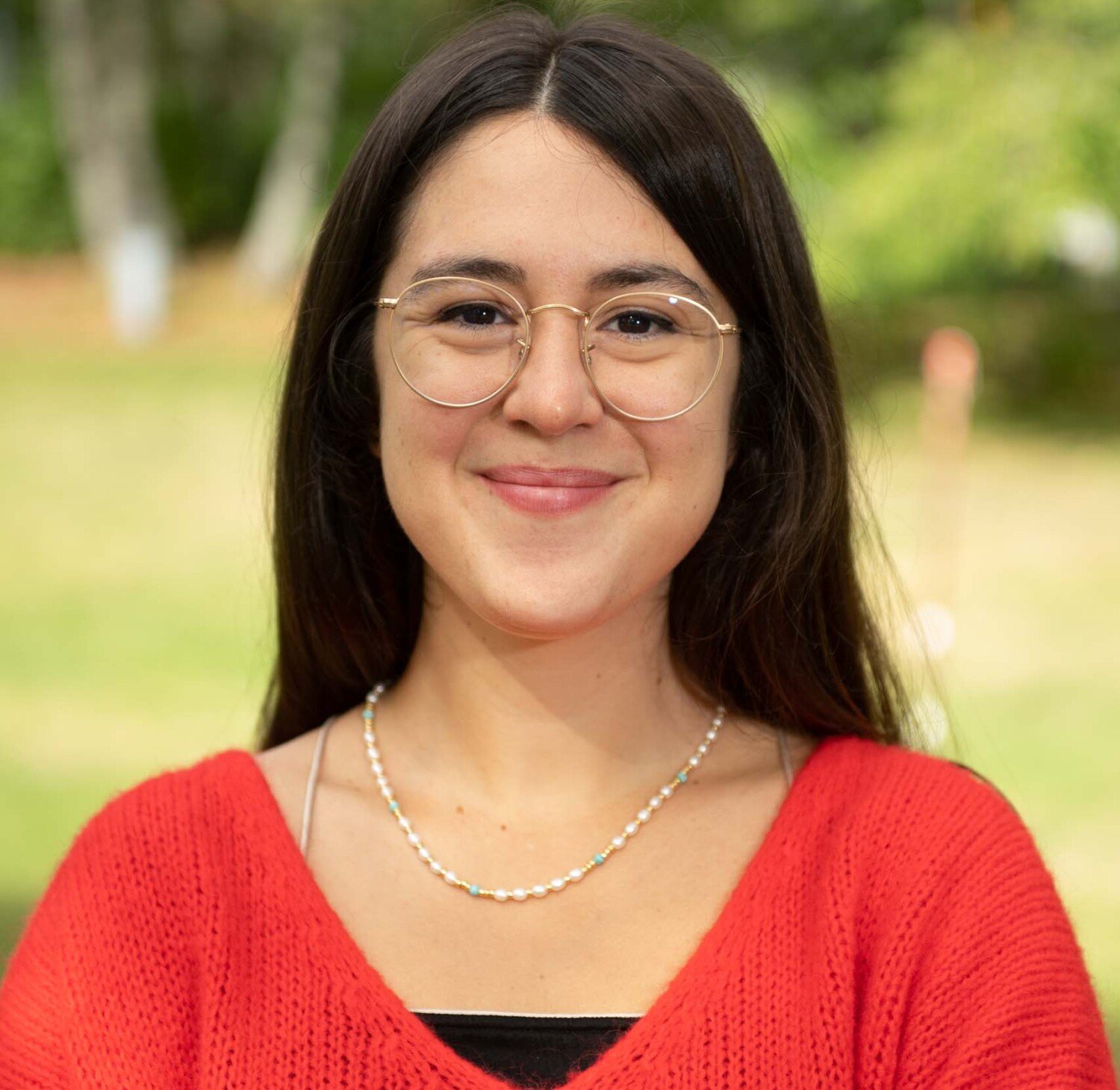
"We aim to better understand why ALS affects people so differently by integrating brain imaging, neuropsychological assessments, clinical data and protein analyses from biological samples," says Juliette Foucher, postdoctoral researcher at the Department of Clinical Neuroscience, KI. "Identifying biologically meaningful subgroups of ALS patients could improve the design of future research studies and clinical trials and, ultimately, support more personalised care for people living with ALS."
By bringing together information from multiple complementary sources, the researchers hope to uncover patterns that cannot be detected using a single type of assessment alone.
Rather than treating ALS as a single disease, the project seeks to define its distinct biological and clinical forms, providing a stronger foundation for future clinical trials and more precise patient stratification.
The project is carried out in collaboration with Dr Joke De Vocht from Philip Van Damme's team at KU Leuven in Belgium and under the supervision of Adjunct Professor Caroline Ingre at the Department of Clinical Neuroscience, KI.
Milestone for an early-career researcher
The ALS Scholars in Therapeutics programme is run by the Healey & AMG Centre, ALS Finding a Cure® and FightMND. The grant amounts to $150,000 per year for two years, equivalent to SEK three million, and aims to give promising clinical researchers and postdoctoral researchers the opportunity to develop their expertise in the treatment and drug development for ALS.
"Receiving this grant is an important milestone in my development as an independent ALS researcher. It gives me the opportunity to pursue my own research questions, strengthen international collaborations and contribute to research that may ultimately improve outcomes for people living with ALS. I am also very grateful for the mentorship and support of Caroline Ingre, who has guided me throughout my research journey and continues to support me as I take this next step in my career," says Juliette Foucher.
She also highlights Karolinska Institutet as a key reason for her continued academic career in Sweden.
"One of the reasons I have chosen to stay at KI is its unique research environment. Clinicians and researchers work closely together, ensuring that the questions we ask in the laboratory are directly informed by what we see in the clinic. KI also encourages interdisciplinary and international collaborations, which have been instrumental both for this project and for my development as a researcher."
Ultimately, the findings could support a more biologically informed approach to ALS research and help pave the way for more targeted treatments.


