
The ongoing insecurity in the Middle East, where a large proportion of the world's oil and gas is extracted, is forcing many countries to focus on how they can ensure access to cheap and reliable energy supplies primarily through the use of renewable power sources.
Why it matters: Some 20 per cent of the world's gas and oil supplies pass through the Strait of Hormuz, the narrow waterway which runs between Iran and Oman, and which has been largely closed to marine traffic since the outbreak of the conflict between Iran and the United States.
The disruption of those supplies has exposed countries to volatile prices, geopolitical shocks and supply disruptions.
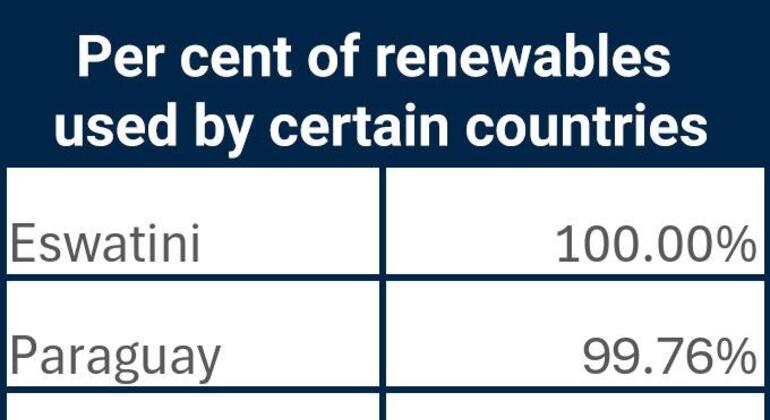
"The turmoil we are witnessing in the Middle East makes it evident that we are facing a global energy system largely tied to fossil fuels," said UN Secretary-General António Guterres , "where supply is concentrated in a few regions and every conflict risks sending shockwaves through the global economy, particularly to the most vulnerable people."
Renewables, like solar, wind and hydropower offer stable, domestic and increasingly cheaper power.
They are also rapidly overtaking fossil fuels as the backbone of modern energy systems, not just for climate reasons, but also for security and economic resilience.
The renewables pitch
"Renewables already nearly match fossil fuels in global installed power capacity," said Mr. Guterres in July last year adding that "there are no price spikes for sunlight… no embargoes on wind."
Renewables are now "the foundation of energy security and sovereignty," he said.
They also cut emissions, reduce pollution, create jobs and lower long-term costs, a combination that is driving a global shift already visible in a handful of frontrunner countries.
Norway: Hydropower backbone, oil dependence fading
The big picture: Norway remains a major oil and gas exporter, however domestically, its electricity system is already overwhelmingly renewable, ensuring a stable, domestically controlled energy supply.
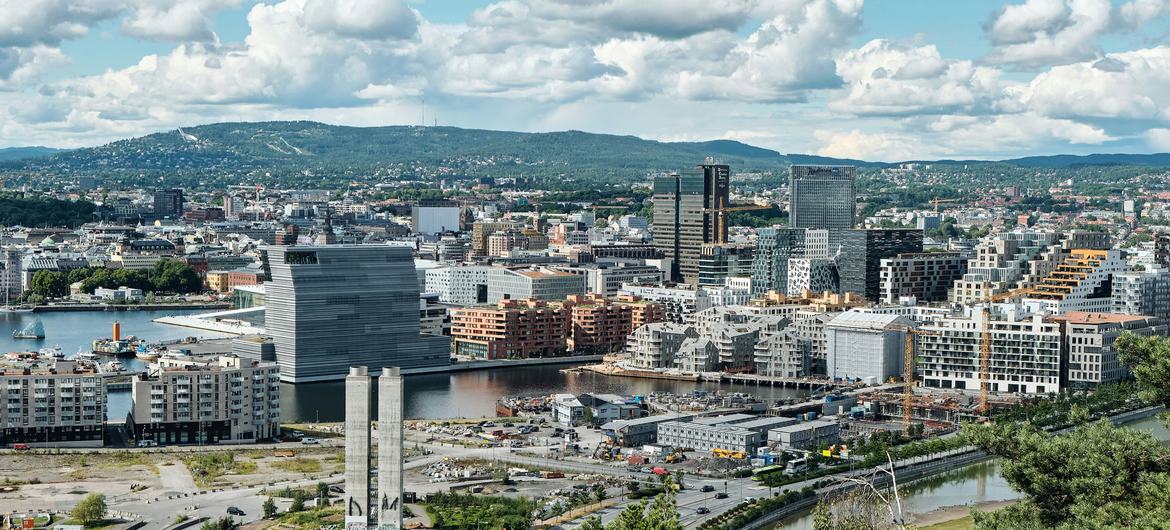
Energy mix:
- Hydropower dominates (around 90-95 per cent of electricity generation)
- Growing wind power sector
- Minimal fossil fuel use in power generation
It is also progressing toward full transition including the electrification of transport, the expansion of offshore wind farms and the gradual shift away from fossil fuel use in domestic sectors.


